
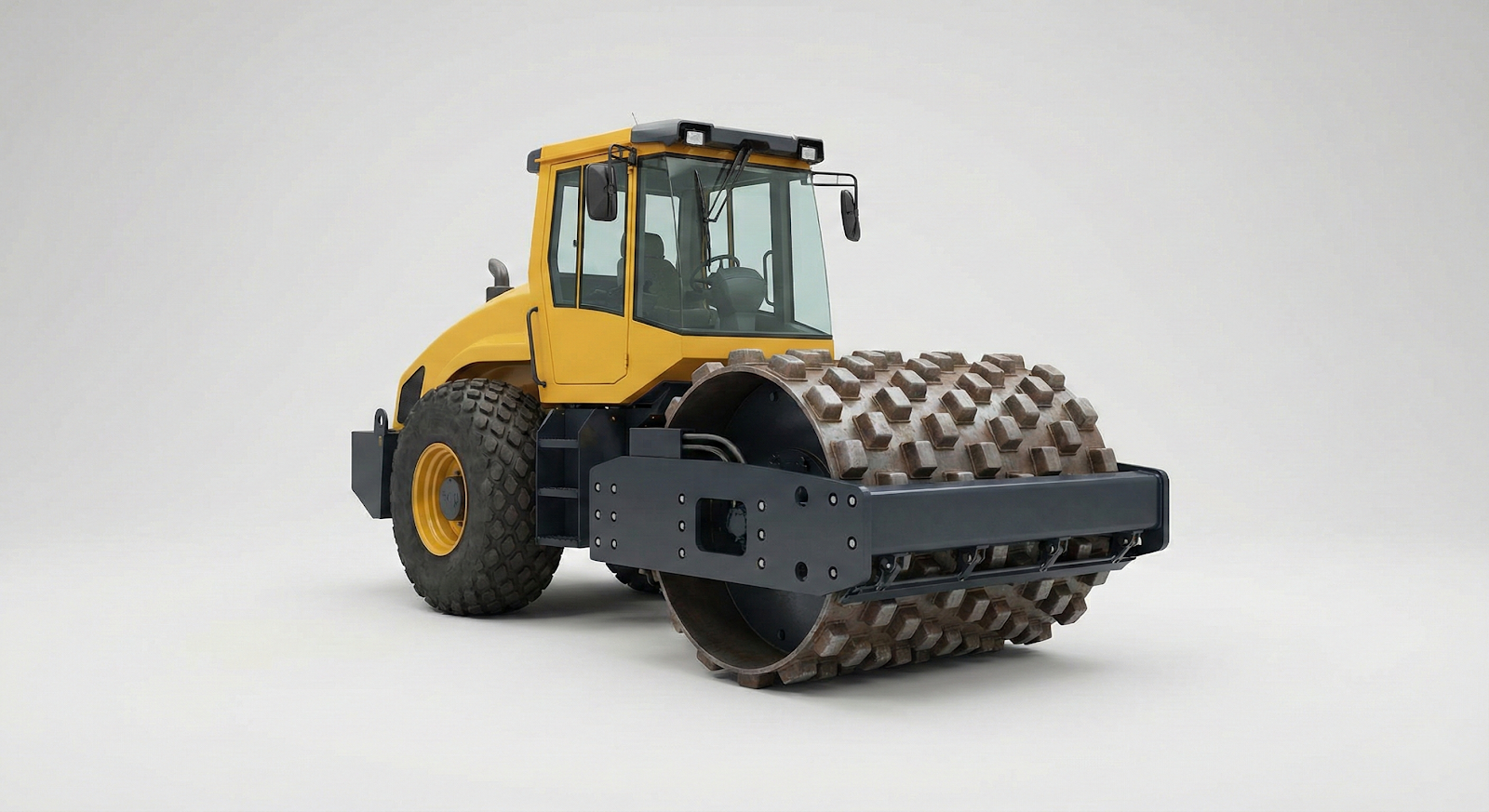
Road roller suppliers Nigeria
Road rollers are essential construction machines used to compact soil, laterite, gravel, asphalt, and other road-building materials to achieve stable, durable, and properly finished surfaces. For contractors, civil engineering companies, road construction firms, estate developers, and government infrastructure projects searching for reliable road roller suppliers in Nigeria, selecting the right compaction equipment is an important step towards delivering quality construction work.
Irrigrow Civil & Engineering Limited provides engineering, construction, and infrastructure-related solutions in Nigeria. The company lists a brand-new road roller for sale on its website, making it a relevant option for businesses seeking road construction machinery and compaction equipment.
Whether you are constructing a new road, rehabilitating an existing highway, developing an estate, preparing an industrial site, or building access roads for an agricultural project, a suitable road roller can help improve the quality and consistency of compaction. Proper compaction is important because it influences the strength, stability, and long-term performance of road foundations and paved surfaces.
Road rollers are available in different types, sizes, operating weights, drum configurations, and compaction technologies. Choosing the right machine depends on the material being compacted, the project specifications, the required compaction level, the working area, and the expected workload.
If you are searching for road rollers for sale in Nigeria, asphalt rollers, soil compaction equipment, vibratory rollers, or heavy-duty road construction machinery, Irrigrow Civil & Engineering Limited can be contacted to discuss your requirements and confirm current product specifications, pricing, availability, and delivery arrangements.
Road Roller Suppliers in Nigeria for Road Construction
Road roller suppliers provide access to compaction machinery used in civil engineering, road construction, infrastructure development, and site preparation. These machines apply static pressure, vibration, or a combination of compaction mechanisms to reduce air spaces in suitable materials and improve their density.
In Nigeria, road rollers are used in highway construction, rural road development, estate roads, industrial access roads, airport projects, parking areas, and road rehabilitation works. They may also be required for selected earthworks and construction-site preparation activities.
Contractors must select a road roller that matches the project’s technical specifications. A machine suitable for compacting asphalt may not be the best option for compacting thick layers of soil or granular material. Similarly, a large roller designed for highways may be inefficient on a narrow estate road or a restricted construction site.
When evaluating road roller suppliers in Nigeria, buyers should consider equipment specifications, operating weight, drum width, vibration settings, engine performance, service requirements, spare parts availability, and after-sales support.
Irrigrow Civil & Engineering Limited lists a brand-new road roller on its website for construction and infrastructure applications. Prospective customers can use the product page to make an enquiry and confirm the exact model, specifications, price, and delivery conditions.
What Is a Road Roller?
A road roller is a compaction machine designed to apply pressure to soil, aggregates, asphalt, and other suitable materials during construction.
Depending on the model, compaction may be achieved through the machine’s weight, vibration, kneading action, or a combination of these methods.
Road rollers are important because properly compacted construction layers provide a more stable base for subsequent work. In road construction, inadequate compaction can contribute to settlement, surface deformation, cracking, and premature deterioration.
Road rollers are commonly used for:
- Compacting soil and laterite during earthworks.
- Preparing road subgrades.
- Compacting granular sub-base and base materials.
- Compacting asphalt during road surfacing.
- Constructing estate and community roads.
- Supporting highway and airport pavement projects.
- Compacting suitable materials in industrial yards and parking areas.
- Rehabilitating selected road surfaces.
- Supporting site development and infrastructure projects.
The correct compaction method depends on the material, moisture content, layer thickness, required density, and project specifications. Contractors should follow the engineer’s requirements and conduct appropriate compaction testing rather than relying on the roller’s weight alone.
Types of Road Rollers Available in Nigeria
Different road construction activities require different roller configurations. Understanding the main types can help contractors identify machinery suitable for their projects.
1. Single Drum Vibratory Rollers
Single drum vibratory rollers typically have a large steel drum at the front and rubber tyres at the rear. Many models use vibration to improve compaction efficiency in suitable soil and granular materials.
They are commonly used for subgrade preparation, laterite compaction, earthworks, and selected granular base operations.
The machine’s suitability depends on its operating weight, vibration frequency, amplitude, drum width, soil conditions, and the thickness of the layer being compacted.
Single drum rollers are often considered for projects involving substantial earthworks, but contractors should confirm that the selected model meets the project’s compaction requirements.
2. Double Drum Vibratory Rollers
Double drum vibratory rollers use two steel drums and are widely associated with asphalt and road-surface compaction. Depending on their configuration, they may also be suitable for certain granular materials and other specified applications.
They are commonly used during road paving, resurfacing, parking-lot construction, and other projects requiring uniform surface compaction.
Important specifications include operating weight, drum width, vibration settings, travel speed, and the machine’s suitability for the material being compacted.
For asphalt work, selecting the correct roller and compaction sequence is important to achieve the specified surface quality.
3. Pneumatic Tyred Rollers
Pneumatic tyred rollers use multiple rubber tyres to apply pressure to the material being compacted.
The tyres can provide a kneading action that may be beneficial for selected asphalt mixtures and granular materials, depending on the construction method and specification.
These rollers are used in certain road surfacing and pavement construction operations where their compaction characteristics are appropriate.
Buyers should check tyre arrangement, operating weight, ballast options, tyre pressure requirements, and the intended material application.
4. Static Steel Wheel Rollers
Static steel wheel rollers rely primarily on the machine’s weight to apply compaction pressure.
They may be suitable for specific finishing operations and materials where static compaction is appropriate. Their applications depend on the roller design and the project’s requirements.
Contractors should not assume that a static roller can replace a vibratory machine for every soil or aggregate compaction task.
5. Tamping Foot and Padfoot Rollers
Padfoot rollers use drums with raised feet designed to compact suitable cohesive soils through a kneading action.
They may be used in earthworks involving clay-rich soils and other materials for which this compaction method is appropriate.
The selection of a padfoot roller depends on soil characteristics, moisture content, layer thickness, and the required compaction results.
6. Walk-Behind and Small Road Rollers
Small rollers are useful where access is restricted or the work area is too narrow for larger equipment.
They may be used for footpaths, small access roads, narrow construction areas, landscaping, and selected maintenance projects.
Their compact dimensions can improve manoeuvrability, but their compaction capacity is generally different from that of larger construction rollers.
7. Combination Rollers
Combination rollers combine a steel drum with pneumatic tyres. Depending on the model, they can provide characteristics associated with both drum compaction and tyre-based compaction.
They may be suitable for selected asphalt and pavement applications where the machine’s specifications meet the project requirements.
Before purchasing a combination roller, confirm its operating weight, drum configuration, tyre arrangement, vibration options, and recommended applications.
Road Rollers for Sale in Nigeria
Businesses searching for road rollers for sale in Nigeria should identify the type of construction work the equipment will perform before requesting quotations.
A contractor working on highway construction may require a different roller from a company developing residential estate roads or preparing a small industrial yard.
When enquiring about a road roller, request the following information:
- Manufacturer and model.
- New or used condition.
- Operating weight.
- Drum type and width.
- Vibration frequency and amplitude, where applicable.
- Engine specifications.
- Travel speed and operating controls.
- Gradeability and suitability for the intended terrain.
- Maintenance requirements.
- Warranty terms, where applicable.
- Availability of spare parts and technical support.
- Delivery arrangements and associated charges.
For projects involving asphalt, also confirm that the roller is appropriate for the asphalt mix and compaction method specified by the project engineer.
Irrigrow Civil & Engineering Limited lists a brand-new road roller for sale on its website. Visit the Brand New Road Roller for Sale product page to review the listing and contact the company for current details.
Road Roller Prices in Nigeria
The price of a road roller in Nigeria depends on several factors, including the machine’s type, manufacturer, operating weight, technical specifications, condition, and intended application.
New road rollers may have different purchase costs from used or refurbished machines. Specialised rollers may also cost more than compact models because of their size, design, and compaction capabilities.
Other factors that can affect the total cost include:
Operating weight and size: Larger machines may require more substantial components and transport arrangements.
Roller configuration: Single drum, double drum, pneumatic tyred, and specialised rollers have different designs and applications.
Compaction technology: Vibration systems, electronic controls, and other features may affect equipment costs.
Brand and model: Manufacturer, availability, and model-specific components can influence the purchase price.
Vehicle condition: Used equipment should be evaluated based on its service history, mechanical condition, drum condition, vibration system, and operating hours.
Importation and logistics: Applicable import charges, exchange rates, transportation, and delivery requirements may affect the final cost.
Maintenance and support: Availability of replacement parts and qualified technicians can influence the overall cost of ownership.
When requesting a quotation, ask whether the stated price includes delivery, inspection, commissioning, operator training, warranty coverage, and any additional services.
For the current price of the road roller listed by Irrigrow, contact the company directly and confirm the final quotation before making payment. Online prices and stock information should be verified with the seller before placing an order.
How to Choose the Right Road Roller for Your Project
Selecting a suitable road roller requires an understanding of the material, site conditions, construction sequence, and required compaction performance.
Identify the Material to Be Compacted
The first step is determining whether the roller will be used for cohesive soil, laterite, granular aggregates, asphalt, or another construction material.
Different materials respond differently to static pressure, vibration, and kneading action.
A single drum vibratory roller may be appropriate for certain earthworks, while a double drum or pneumatic tyred roller may be more suitable for specific asphalt operations.
Consult the project specifications and equipment manufacturer to establish the appropriate machine type.
Consider Operating Weight
Operating weight influences the pressure applied to the material and can affect compaction performance.
However, a heavier roller is not automatically better for every job. Material type, layer thickness, moisture content, vibration settings, and the required compaction result all matter.
Choose a machine capable of achieving the required result under the actual site conditions.
Check Drum Width
Drum width affects the area covered during each pass.
Wider drums may improve productivity on larger surfaces, while narrower machines may be more practical where access is restricted or the work area is small.
Consider the road width, turning space, edges, kerbs, drainage structures, and other site constraints when selecting equipment.
Evaluate Vibration Settings
Vibratory rollers use different frequency and amplitude settings to suit particular materials and compaction requirements.
The appropriate settings depend on the roller model, material, layer thickness, and project specification.
Incorrect settings or unsuitable operating practices can affect compaction quality and may damage the material or nearby structures.
Operators should follow the manufacturer’s guidance and the project engineer’s instructions.
Assess Site Conditions
Site conditions may include slopes, soil moisture, drainage, restricted access, and the presence of nearby buildings or buried utilities.
These conditions influence which roller is appropriate and how it should be operated.
For compact urban sites or narrow access roads, a smaller roller may be more practical than a large highway roller.
For large earthworks, a suitable heavy vibratory roller may be necessary to meet productivity and compaction requirements.
Consider Maintenance and Spare Parts
Road rollers require regular servicing and inspection to remain reliable.
Before purchasing, ask about engine filters, hydraulic components, vibration-system maintenance, drum condition, tyres where applicable, and the availability of model-specific parts.
Reliable maintenance support can help reduce downtime and keep construction work on schedule.
Road Rollers for Highway Construction in Nigeria
Highway construction involves several stages, including earthworks, subgrade preparation, sub-base and base construction, and pavement surfacing.
Road rollers are used during appropriate stages to compact the different layers according to the design and technical specification.
Subgrade Compaction
The subgrade forms the prepared foundation beneath the pavement structure.
A suitable roller can help compact the soil to the required density, provided that the material and moisture conditions are appropriate.
The type of roller, number of passes, layer thickness, and testing method should be determined by the project specification and site conditions.
Sub-Base and Base Compaction
Sub-base and base layers may consist of selected granular materials designed to provide support for the pavement.
Compaction helps develop the required density and stability.
The roller must be appropriate for the material and layer thickness, and field testing should be used to confirm that the specified requirements have been achieved.
Asphalt Compaction
Asphalt compaction is a critical stage in road surfacing.
The compaction process depends on the asphalt mix, temperature, layer thickness, equipment configuration, and timing of roller passes.
Double drum vibratory rollers and pneumatic tyred rollers may be used in different stages of asphalt compaction where specified.
Contractors should follow the approved paving and compaction plan to achieve the required pavement quality.
Road Rollers for Estate and Community Road Development
Residential estates, industrial layouts, private developments, and community infrastructure projects require roads that provide dependable access and withstand the expected traffic.
Road rollers are used to compact suitable soil, laterite, granular base materials, and asphalt layers during the construction process.
For estate roads, the choice of equipment should reflect the road width, construction material, traffic requirements, drainage arrangement, and overall project scale.
Small or medium-sized rollers may be suitable for some restricted areas, while larger projects may require heavier machinery.
Proper compaction must be coordinated with drainage and road-layer construction. Even a well-compacted road can deteriorate if water is allowed to weaken its foundation or accumulate on the surface.
Irrigrow Civil & Engineering Limited provides engineering and infrastructure-related solutions that can complement road development and site preparation projects. Contact the company to discuss your project requirements and available equipment options.
Road Rollers for Soil Compaction and Site Preparation
Road rollers are not limited to asphalt paving. They are also used for selected soil-compaction operations during site development, embankment construction, and earthworks.
Land Development
Land development may involve clearing, excavation, filling, grading, and compacting soil before construction begins.
A suitable roller can help compact approved fill materials in layers to achieve the specified density.
The correct machine depends on the soil type, moisture content, fill thickness, and engineering requirements.
Industrial and Commercial Sites
Industrial facilities, warehouses, parking areas, and commercial developments may require compacted ground or pavement layers to support vehicles and equipment.
Road rollers can assist with these operations when the machine is suitable for the material and the specified construction method.
Agricultural Access Roads
Agricultural developments may require access roads connecting fields, storage facilities, irrigation infrastructure, and processing areas.
Road rollers can be used to compact appropriate layers during farm road construction or rehabilitation.
The equipment should be selected according to the road design, soil characteristics, expected traffic, and drainage conditions.
New vs Used Road Rollers: Which Should You Buy?
The decision between a new and used road roller depends on the budget, workload, maintenance capacity, and expected period of use.
Buying a New Road Roller
A new road roller may offer current specifications, lower initial wear, and manufacturer warranty options where provided.
It may be appropriate for contractors who plan to use the equipment regularly across multiple projects.
However, buyers should still compare the purchase price, fuel consumption, servicing requirements, parts availability, and suitability for the work.
Buying a Used Road Roller
A used road roller may have a lower initial purchase price, but its mechanical condition must be assessed carefully.
Inspect the drum, engine, hydraulic system, vibration mechanism, bearings, controls, tyres where applicable, and other critical components.
Review the machine’s maintenance records and operating hours where available. Arrange a competent technical inspection before committing to the purchase.
Compare Total Ownership Costs
The purchase price does not represent the full cost of owning a road roller.
Other expenses may include fuel, servicing, repairs, transport, operator costs, insurance, storage, and downtime.
Contractors should estimate how frequently the roller will be used and compare ownership costs with the cost of hiring similar equipment for the expected workload.
Road Roller Maintenance and Safe Operation
Regular maintenance helps support reliable performance and reduces the risk of preventable breakdowns.
Road roller servicing should follow the manufacturer’s instructions and be performed by appropriately trained personnel.
Important maintenance practices include:
- Inspecting the engine and checking specified fluid levels.
- Checking hydraulic hoses and connections for leaks or damage.
- Inspecting the drum for visible damage and unusual wear.
- Checking vibration-system performance.
- Inspecting tyres and wheel components on applicable models.
- Checking steering, brakes, lights, alarms, and operating controls.
- Maintaining filters and lubricating components according to the service schedule.
- Keeping maintenance and repair records.
- Ensuring that safety guards and warning systems are in working order.
- Removing the machine from service when a critical defect is identified.
Operator Training
Road rollers should be operated by trained and authorised personnel.
Operators should understand machine controls, site traffic arrangements, safe operating speeds, slope limitations, vibration settings, and emergency procedures.
They should also be aware of workers, structures, trenches, buried services, and other hazards around the machine.
Safe Operation on Construction Sites
The operator should inspect the work area before starting compaction. Soft ground, steep slopes, unstable edges, and poorly supported surfaces can present significant hazards.
Appropriate barriers and communication procedures should be used where machinery operates near workers or public access routes.
Compaction should follow the approved construction method and engineering specification. Operators should not make assumptions about the number of passes or vibration settings when the project requires specific testing or instructions.
How to Buy a Road Roller from Irrigrow Civil & Engineering Limited
If you are searching for road roller suppliers in Nigeria, Irrigrow Civil & Engineering Limited offers a dedicated online product listing for a brand-new road roller.
To make an informed purchase, provide the company with clear details about your project and equipment requirements.
Step 1: Identify Your Project Requirements
Explain whether the machine will be used for highway construction, estate roads, asphalt compaction, soil compaction, industrial site preparation, or another application.
Step 2: Request Technical Specifications
Ask for the manufacturer, model, operating weight, drum width, vibration specifications, engine details, and recommended applications.
Step 3: Confirm the Current Price
Request a current written quotation and confirm what is included in the price. Ask about delivery costs, payment terms, warranty conditions, and any additional services.
Step 4: Confirm Availability and Delivery
Before paying, verify that the specific machine is available and establish the expected delivery arrangements for your location.
Step 5: Review the Purchase Documentation
Confirm the seller’s details, invoice, equipment specifications, warranty conditions, and other relevant documentation.
For a new machine, request the available manufacturer information and operating manual. For a used machine, arrange an independent technical inspection where appropriate.
You can view the product listing here: Brand New Road Roller for Sale in Nigeria.
Why Consider Irrigrow for Road Construction Equipment?
Selecting construction machinery is an important decision for contractors and infrastructure developers. Buyers need accurate product information, clear quotations, and equipment that suits the requirements of their projects.
Irrigrow Civil & Engineering Limited focuses on civil engineering, construction, irrigation, and infrastructure-related solutions.
Construction and Infrastructure Focus
Road construction and infrastructure development require appropriate equipment for earthworks, compaction, drainage, and other operations.
Understanding how the equipment will be used helps buyers identify the relevant specifications and operating requirements.
Dedicated Road Roller Product Listing
Irrigrow lists a brand-new road roller on its website, providing prospective customers with a specific product page from which to begin an enquiry.
Support for Different Project Requirements
The needs of highway contractors, estate developers, industrial projects, and agricultural infrastructure projects can differ significantly.
Providing the project location, road type, material, and expected workload helps establish a clearer basis for discussing equipment requirements.
Transparent Equipment Enquiries
Before making a purchase, buyers should confirm the current price, specifications, availability, delivery terms, and applicable warranty information directly with the company.
Visit irrigrow.com.ng to explore the company’s products and contact Irrigrow Civil & Engineering Limited.
Frequently Asked Questions About Road Roller Suppliers in Nigeria
Where can I buy a road roller in Nigeria?
You can contact construction machinery dealers and engineering equipment suppliers. Irrigrow Civil & Engineering Limited lists a brand-new road roller on its website. Visit the product page and contact the company to confirm the current details.
How much does a road roller cost in Nigeria?
The price depends on the type, operating weight, manufacturer, model, features, and condition. Request a current quotation for the exact machine you intend to purchase.
Which road roller is suitable for asphalt compaction?
Double drum vibratory rollers and pneumatic tyred rollers are commonly used in asphalt paving, depending on the construction specification and compaction stage. The project engineer should determine the appropriate equipment and compaction procedure.
Which roller is suitable for laterite compaction?
A suitable vibratory roller may be used for laterite compaction, depending on the material properties, moisture content, layer thickness, and required density. The correct equipment should be selected according to the project specification.
What is the difference between a single drum and double drum roller?
A single drum roller generally has one large steel drum and is commonly used for selected earthworks and granular materials. A double drum roller has two steel drums and is widely used for asphalt and surface-compaction applications. The appropriate choice depends on the machine’s design and the intended work.
Should I buy a new or used road roller?
A new machine may offer lower initial wear and available warranty options. A used machine may cost less initially but should be inspected carefully. Compare technical condition, maintenance costs, spare parts, expected utilisation, and total ownership cost.
Can a road roller be used for estate road construction?
Yes. Suitable road rollers can compact approved soil, laterite, granular materials, and asphalt layers used in estate road development. The machine must match the project size and construction specifications.
What should I check before purchasing a road roller?
Check the machine’s operating weight, drum configuration, engine, hydraulic system, vibration mechanism, maintenance requirements, warranty, parts availability, and delivery terms. Confirm that the machine is appropriate for the material and project requirements.
Does Irrigrow sell road rollers in Nigeria?
Irrigrow Civil & Engineering Limited lists a brand-new road roller on its website. Contact the company to confirm current availability, specifications, pricing, and delivery arrangements.
Contact Irrigrow for Road Roller Enquiries in Nigeria
Choosing the right road roller can help contractors achieve the required compaction quality for road construction, rehabilitation, site preparation, and infrastructure development projects.
The best equipment choice depends on the material being compacted, project specifications, site conditions, machine capacity, maintenance requirements, and budget.
Irrigrow Civil & Engineering Limited lists a brand-new road roller for sale and provides an online product page where prospective buyers can begin their enquiries.
If you need a road roller for highway construction, estate roads, asphalt paving, laterite compaction, or other civil engineering projects, contact the company to request current specifications, pricing, availability, and delivery information.
Visit the dedicated product page: https://irrigrow.com.ng/product/brand-new-road-roller-for-sale/
Before making payment, verify the exact model, technical specifications, final price, availability, warranty conditions, and delivery terms.
Choose suitable compaction equipment, follow the engineering specification, and maintain your machinery properly to support safer construction operations and durable road infrastructure in Nigeria.

Share options