
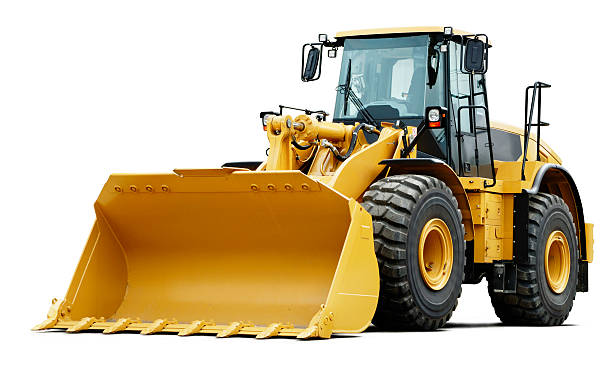
Payloader suppliers Nigeria
Reliable Payloader Suppliers in Nigeria for Construction and Infrastructure Projects
Payloader suppliers Nigeria. reliable payloader suppliers in Nigeria is essential for construction companies, civil engineers, road contractors, quarry operators, mining businesses, agricultural enterprises, and infrastructure developers that depend on heavy-duty machinery to complete projects efficiently. A payloader, commonly known as a wheel loader or front-end loader, is a versatile piece of heavy equipment used for lifting, scooping, transporting, and loading materials such as sand, gravel, laterite, crushed stone, soil, and construction aggregates.
As Nigeria continues to develop its roads, residential estates, commercial buildings, industrial facilities, agricultural infrastructure, and public works, the demand for dependable earthmoving and material-handling equipment remains important. Contractors need machinery capable of handling demanding site conditions while supporting productivity, operational safety, and cost management.
Irrigrow Civil & Engineering Limited provides engineering and construction-related solutions for customers involved in infrastructure development, agricultural projects, and other engineering activities in Nigeria. For businesses looking for payloaders and related construction equipment, choosing machinery that matches the intended application, operating environment, and project requirements is an important first step.
Whether you are planning a road construction project, managing a quarry, developing a commercial property, handling bulk materials, or undertaking large-scale land preparation, the right payloader can improve material movement and reduce the manual effort required for routine site operations.
This guide explains the types of payloaders used in Nigeria, their applications, the factors to consider when purchasing or hiring one, maintenance requirements, and how to evaluate suppliers for your construction or industrial project.
What Is a Payloader?
A payloader is a type of heavy equipment designed to scoop up materials using a large front-mounted bucket, lift the load, and transfer it to another location or into a truck, hopper, stockpile, or processing area.
The machine typically consists of a powerful engine or other drive system, an articulated or rigid chassis, hydraulic lifting arms, a loading bucket, operator controls, tyres, and supporting mechanical and hydraulic components.
Payloaders are widely used in construction, mining, quarrying, agriculture, waste handling, and industrial material management because they can perform repeated loading and transportation tasks over relatively short distances.
Although the term payloader is commonly used in Nigeria, the machine is also referred to as a wheel loader, front-end loader, or loading shovel in different markets.
The size and capacity of the equipment vary considerably. Compact wheel loaders are suitable for smaller sites and confined working areas, while larger machines are designed for demanding applications involving heavy materials and high loading volumes.
When selecting a payloader, it is important to consider bucket capacity, rated operating load, engine power, hydraulic performance, operating weight, turning radius, ground clearance, tyre type, and compatibility with the material being handled.
These factors influence the machine’s productivity, fuel consumption, manoeuvrability, and suitability for a particular project.
Types of Payloaders Available in Nigeria
Different projects require different payloader configurations. Understanding the available categories helps contractors and equipment buyers identify machinery that matches their operational needs.
1. Small and Compact Payloaders
Compact payloaders are designed for projects where manoeuvrability and access to restricted spaces are important.
They are useful for smaller construction sites, landscaping operations, agricultural facilities, warehouse yards, and maintenance projects.
Their relatively compact dimensions can make it easier to work in confined spaces where larger loaders may struggle to manoeuvre.
Common applications include moving soil, loading sand, transporting small quantities of aggregates, clearing debris, and handling materials around storage areas.
When choosing a compact payloader, consider the width of access routes, the available working space, bucket capacity, lifting height, and the surface conditions on the site.
Compact machines are not necessarily suitable for high-volume earthmoving or heavy quarry applications. Buyers should ensure that the machine’s rated operating capacity matches the actual workload.
2. Medium-Sized Wheel Loaders
Medium-sized wheel loaders are suitable for a wide range of construction, commercial, and agricultural operations.
They offer a balance between material-handling capacity, manoeuvrability, and operating efficiency.
Typical applications include loading sand and gravel onto trucks, moving laterite, handling aggregates at construction sites, maintaining stockpiles, and supporting general earthmoving activities.
These machines are commonly considered by contractors who need versatile equipment for multiple projects rather than machinery dedicated to a single specialised task.
Important selection factors include bucket size, lifting height, breakout force, hydraulic cycle time, fuel consumption, and the machine’s ability to operate on the terrain encountered at the project site.
For businesses managing multiple construction activities, a properly selected medium-sized payloader can support a variety of loading and material-handling tasks.
3. Heavy-Duty Payloaders
Heavy-duty payloaders are built for demanding operations involving large volumes of material and frequent loading cycles.
They may be used in large construction projects, quarries, mining operations, cement production facilities, industrial yards, and major infrastructure developments.
These machines generally feature higher operating weights, larger buckets, powerful drive systems, and components designed for demanding workloads.
Their applications include loading crushed stone, handling bulk aggregates, moving heavy materials, feeding processing equipment, and supporting high-volume material transport over short distances.
Because these machines require significant capital investment and operating resources, buyers should evaluate the expected workload, machine utilisation, maintenance arrangements, fuel consumption, and availability of technical support before making a purchase.
Heavy-duty equipment must also be matched to the properties of the material being handled. A bucket that works well with loose sand may not be the best option for dense rock or other abrasive materials.
4. Articulated Wheel Loaders
Articulated wheel loaders use a pivoting joint between the front and rear sections of the chassis, allowing the machine to turn with a relatively tight turning radius.
This configuration supports manoeuvrability in construction yards, material stockpiles, quarries, and other working environments.
Articulated loaders are available in different sizes and are often selected for their versatility in handling bulk materials.
The articulation system, steering components, tyres, and hydraulic systems should be inspected carefully when evaluating a used machine.
Buyers should also check the machine’s stability, rated operating capacity, and recommended operating conditions.
5. Loaders for Quarry and Mining Operations
Quarry and mining operations often require loaders capable of handling abrasive materials, irregular rock fragments, and demanding loading cycles.
These applications can place considerable stress on tyres, buckets, hydraulic cylinders, pins, bushings, and drivetrain components.
A suitable machine should be selected based on material density, bucket design, loading height, haul truck dimensions, travel distance, and daily production targets.
Heavy-duty buckets and appropriate wear protection may be necessary when working with crushed stone or other abrasive materials.
Operators should follow the manufacturer’s guidance on loading techniques, rated capacity, slope operation, and machine inspection.
For quarry operators in Nigeria, selecting equipment based on actual site conditions can help reduce premature wear and improve operational reliability.
6. Agricultural and Farm Payloaders
Payloaders can support large agricultural businesses, feed processing facilities, storage yards, and other farm operations involving bulk material handling.
They may be used to move soil, manure, compost, grain-related bulk materials where the bucket and machine are appropriate, and other materials around agricultural facilities.
Some operations may require specialised attachments or different equipment configurations to prevent contamination or material loss.
For example, handling loose agricultural materials may require different bucket arrangements from moving laterite or construction aggregates.
Farm operators should consider the size of the working area, surface conditions, material characteristics, and expected daily workload when selecting a loader.
Where operations involve sensitive agricultural products, the equipment must be appropriate for the material and the applicable hygiene requirements.
Common Uses of Payloaders in Nigeria
Payloaders are valuable because they can perform a variety of material-handling tasks across multiple industries.
Road Construction
Road construction projects frequently require the movement of laterite, sand, gravel, crushed stone, and other construction materials.
Payloaders can load aggregates into tipper trucks, feed materials into designated stockpiles, clear loose materials, and support the movement of materials around construction sites.
They can also assist with site preparation and other activities where bucket-based loading is appropriate.
For road contractors, the suitability of a payloader depends on project scale, material volume, access conditions, loading requirements, and coordination with trucks and other machinery.
Building Construction
Residential, commercial, and industrial building projects often involve the movement of sand, gravel, soil, blocks, debris, and other construction materials.
A payloader can help transfer bulk materials between stockpiles and delivery vehicles, reducing the amount of manual handling required.
On larger sites, the machine may support earthmoving activities, loading operations, and general site maintenance.
Contractors should assess the space available for operation, particularly on urban sites where access may be limited.
Compact machinery may be more appropriate for smaller projects, while larger developments may require medium or heavy-duty loaders.
Quarry and Aggregate Production
Quarries use payloaders to move blasted rock, crushed stone, gravel, and other materials between stockpiles, processing equipment, and transport vehicles.
Loader productivity can influence the efficiency of material handling throughout the quarry operation.
Selecting the correct bucket capacity and machine size is essential to ensure compatibility with the material density, truck capacity, and required production rate.
Quarry operators should also account for tyre wear, dust exposure, abrasive materials, and the availability of maintenance support.
Sand and Gravel Supply
Sand suppliers, aggregate merchants, and bulk material distributors often use payloaders to load customer vehicles and organise stockpiles.
A suitable loader can improve loading consistency and help reduce the time required to serve customers.
When choosing a machine for this application, consider the daily volume of material, the number of loading cycles, the size of the trucks, and the layout of the storage yard.
Mining Operations
Mining sites may require large loaders to handle mineral-bearing materials, overburden, and other bulk substances.
The equipment must be appropriate for the material, terrain, operating conditions, and required production rate.
Mining operations should consider machine durability, operator protection, maintenance support, tyre specifications, and compatibility with the site’s wider equipment fleet.
Industrial and Manufacturing Facilities
Factories, cement plants, recycling operations, and industrial storage facilities may use payloaders to move bulk materials around yards and loading areas.
The machine can assist with stockpile management, feeding suitable processing equipment, and loading transport vehicles.
Industrial operators should consider material compatibility, working space, surface conditions, and any requirements for dust control or contamination prevention.
Land Clearing and Site Preparation
Construction and infrastructure projects frequently require the removal or relocation of loose soil, vegetation debris, and other materials.
A payloader can assist with moving suitable materials and loading waste for transportation.
However, thick vegetation, tree stumps, hard rock, and other challenging ground conditions may require specialised clearing or excavation machinery before a loader can work effectively.
Choosing the appropriate combination of equipment helps improve site preparation efficiency.
How to Choose Reliable Payloader Suppliers in Nigeria
Selecting a supplier is an important part of acquiring heavy equipment. Buyers should consider more than the quoted price, particularly when the machinery will be used for commercial operations.
1. Define Your Project Requirements
Begin by identifying the tasks the payloader will perform.
A small building contractor loading sand may need a different machine from a quarry operator moving crushed rock throughout the day.
Consider the material type, expected daily volume, working hours, site conditions, loading height, truck capacity, and available working space.
These details help determine the appropriate machine size and configuration.
2. Compare Bucket Capacity and Rated Operating Load
Bucket capacity indicates the approximate volume of material the bucket can hold, while rated operating load describes the load the machine is designed to handle under specified conditions.
These measurements are not interchangeable.
Material density affects how much a bucket can carry by weight. A bucket filled with loose material may impose a different load from the same bucket filled with dense rock.
Buyers should use manufacturer specifications and account for the material’s characteristics when evaluating capacity.
3. Check Engine and Hydraulic Performance
The engine supplies power for movement and work functions, while the hydraulic system operates the lifting arms and bucket.
Buyers should assess engine power, hydraulic performance, breakout force, lifting height, cycle times, and overall machine condition.
For used payloaders, inspection should include checking for hydraulic leaks, unusual engine noise, excessive exhaust smoke, warning indicators, and evidence of overheating.
A qualified heavy-equipment technician can help evaluate these systems before purchase.
4. Evaluate Fuel Consumption
Fuel is a major operating expense for diesel-powered heavy equipment.
Actual consumption depends on machine size, engine condition, material density, operator behaviour, travel distance, idle time, and the intensity of the work.
Ask for relevant operating information and consider the expected hours of use when comparing different machines.
A larger machine may offer higher productivity but may not be the most economical option for a small project.
The objective is to choose equipment that delivers the required output at a reasonable overall operating cost.
5. Inspect the Tyres and Undercarriage-Related Components
Wheel loaders rely on tyres suited to the operating surface and material conditions.
Tyres may experience rapid wear in quarries, on rough construction sites, or in areas containing sharp rock.
Inspect tyre condition, tread depth, cuts, sidewall damage, and suitability for the intended application.
Also assess the articulation joint, steering components, axles, brakes, and other relevant mechanical systems.
The condition of these components can significantly influence operating costs and equipment availability.
6. Assess Spare Parts and Technical Support
Access to spare parts and competent maintenance services is important for heavy machinery.
Before purchasing, ask about the availability of filters, hydraulic hoses, seals, bucket teeth, tyres, and other parts appropriate to the selected machine.
Confirm whether the supplier can provide technical documentation, maintenance guidance, warranty information where applicable, and after-sales support.
For equipment used on time-sensitive projects, maintenance arrangements can be just as important as the purchase price.
7. Compare New and Used Payloaders
New machines may offer current specifications, manufacturer support, and warranty coverage subject to the applicable terms.
Used machines can be more affordable initially, but their condition, service history, remaining component life, and maintenance requirements must be carefully evaluated.
Before purchasing a used payloader, inspect the machine in person where possible, review available maintenance records, and test its operating functions.
Check the serial number, ownership documents, import or customs documentation where applicable, and any other records needed to establish lawful ownership and a clear transaction.
Avoid making a purchase based solely on photographs or verbal assurances.
8. Confirm Delivery and Transportation Arrangements
Heavy equipment transportation requires planning, especially for large machines travelling between states or to remote project sites.
Confirm delivery arrangements, loading and unloading requirements, transport costs, delivery timelines, and the equipment’s condition on arrival.
For larger machines, transportation may require specialised low-bed trailers and appropriate permits or route planning.
Clear arrangements help reduce misunderstandings and support more predictable project scheduling.
Payloader Prices in Nigeria
Payloader prices in Nigeria vary significantly according to machine size, manufacturer, model, age, bucket capacity, operating hours, condition, and current market conditions.
New machines generally have different pricing from used or refurbished equipment. Imported machinery may also be affected by exchange rates, shipping costs, duties, taxes, and inland transportation.
Additional costs can include inspection, repairs, spare parts, tyres, insurance, delivery, operator training, and ongoing maintenance.
Because heavy-equipment prices change over time, buyers should request a current quotation for the specific machine they need rather than relying on an outdated advertised price.
Factors That Influence Payloader Prices
Machine size and capacity: Larger machines with higher operating capacities generally require a greater initial investment.
Brand and model: Manufacturer reputation, product specifications, parts availability, and service arrangements can influence pricing.
Age and operating hours: Used machines with extensive operating hours or significant wear may require additional maintenance expenditure.
Mechanical condition: Engine, transmission, hydraulic, steering, braking, and structural condition all affect the value of a machine.
Bucket and attachment configuration: Different bucket sizes and specialised attachments may change the purchase price.
Importation and logistics: Freight, customs-related charges, currency movements, and transport arrangements may influence the final landed cost.
Maintenance and support: Access to technical services, spare parts, and applicable warranties should be considered when comparing offers.
How to Obtain an Accurate Payloader Quotation
To receive a useful quotation, provide the supplier with the intended application, required machine capacity, preferred make or model if known, new or used preference, project location, and expected delivery date.
If the machine will be used in a quarry or other demanding environment, explain the material type and operating conditions.
For a construction site, provide details about access, loading height, truck size, and the expected volume of material to be handled.
These details can help suppliers assess the machine specifications that best match your needs.
Irrigrow Civil & Engineering Limited welcomes enquiries about engineering and construction equipment requirements. Contact the company to confirm whether a suitable payloader is available and request a current quotation.
Buying Versus Hiring a Payloader in Nigeria
Businesses should decide whether to purchase or hire a payloader based on how frequently it will be used, project duration, available capital, maintenance capacity, and expected workload.
When Buying a Payloader Makes Sense
Purchasing may be suitable for businesses that require frequent access to a loader across multiple projects.
Ownership gives the business greater control over equipment scheduling and availability, subject to maintenance and operating requirements.
However, owners must budget for the purchase price, servicing, repairs, insurance where applicable, storage, transportation, and eventual replacement.
When Hiring a Payloader Is More Practical
Hiring may be suitable for short-term construction work, temporary material-handling requirements, or projects where purchasing heavy machinery would not be economically justified.
Depending on the agreement, the hiring provider may supply an operator or arrange maintenance during the hire period.
Customers should confirm what is included in the rental price, such as fuel, transportation, operator charges, overtime, standby time, and repairs.
It is also important to clarify responsibility for damage, delays, and site access.
Comparing the Total Cost
A meaningful comparison should consider the full cost of ownership against the total hiring cost for the anticipated period.
For ownership, include financing or capital costs, maintenance, repairs, fuel, insurance, storage, and depreciation.
For hiring, consider daily or monthly charges, mobilisation, demobilisation, fuel, operator fees, and any additional contractual expenses.
The most economical option depends on the project’s duration, utilisation rate, and the organisation’s operational requirements.
Payloader Maintenance and Safety
Proper maintenance helps preserve equipment performance and reduces the risk of avoidable breakdowns.
Heavy machinery should be operated and maintained according to the manufacturer’s instructions, with inspections carried out at the recommended intervals.
Daily Inspection
Before operation, check fluid levels, tyres, visible hydraulic hoses, bucket attachments, lights, alarms, brakes, steering, and other safety-related systems.
Look for leaks, loose components, visible damage, and warning indicators.
Any defect that could affect safe operation should be assessed before the machine is used.
Engine and Hydraulic Maintenance
Follow the manufacturer’s recommended schedule for engine oil, filters, hydraulic fluid, cooling systems, and other service items.
Use compatible lubricants and replacement components specified for the machine.
Neglecting maintenance can increase wear, reduce performance, and contribute to expensive repairs.
Tyre and Bucket Maintenance
Inspect tyres regularly and monitor wear according to the manufacturer’s guidance.
Check bucket cutting edges, teeth, pins, bushings, and mounting components for excessive wear or damage.
Replace worn components when necessary to maintain suitable loading performance and reduce the risk of equipment damage.
Operator Training
Payloaders should be operated by trained and authorised personnel familiar with the specific machine.
Operators should understand rated capacity, visibility limitations, safe travel speeds, slope restrictions, loading procedures, and the site’s traffic management rules.
Seat belts and other fitted safety systems should be used as instructed.
Safe Working Practices
Maintain adequate separation between machinery, pedestrians, and other vehicles.
Avoid exceeding the rated operating capacity, carrying loads in an unsafe position, or operating on unsuitable slopes.
Ensure that the work area is assessed for overhead obstructions, unstable ground, underground services, and other hazards.
Maintenance should only be carried out using safe isolation procedures, with raised equipment properly supported and stored energy controlled according to the manufacturer’s instructions.
Why Choose Irrigrow Civil & Engineering Limited for Engineering Solutions?
Selecting an engineering company involves considering the company’s service focus, ability to understand project requirements, communication, and suitability for the work involved.
Irrigrow Civil & Engineering Limited operates in civil engineering, construction, irrigation, water management, and related infrastructure areas.
The company supports customers seeking practical engineering solutions for different project requirements.
Engineering and Construction Focus
Our work is centred on engineering and construction-related activities, helping us appreciate the importance of selecting appropriate equipment and planning for project conditions.
Support for Infrastructure Projects
Infrastructure development requires suitable equipment, sound planning, and coordination between different activities.
We recognise the importance of aligning equipment requirements with the project’s intended scope and technical specifications.
Solutions for Multiple Sectors
Construction, agriculture, irrigation, and water management involve different operational requirements.
Our engineering focus supports customers seeking products and services related to these sectors.
Project-Specific Enquiries
Every project has unique requirements. We encourage customers to provide information about the intended application, location, technical specifications, budget, and delivery schedule.
This helps establish whether the requested product or service matches the company’s current offerings.
Transparent Procurement Discussions
Customers should have clear information about specifications, equipment condition, pricing, delivery, and applicable warranty terms before committing to a purchase.
For payloader enquiries, confirm current stock, machine specifications, and whether supply or hiring arrangements are available.
Irrigrow Civil & Engineering Limited welcomes enquiries from contractors, civil engineers, infrastructure developers, agricultural businesses, and other organisations seeking engineering and construction-related solutions in Nigeria.
Frequently Asked Questions About Payloader Suppliers in Nigeria
Where can I find payloader suppliers in Nigeria?
You can contact heavy-equipment dealers, construction machinery suppliers, equipment importers, and engineering companies that handle earthmoving equipment. Irrigrow Civil & Engineering Limited provides engineering and construction-related solutions; contact the company to confirm current payloader availability and supply arrangements.
What is the difference between a payloader and a wheel loader?
In common usage, the terms payloader, wheel loader, and front-end loader often refer to the same general category of machine. The equipment uses a front-mounted bucket to scoop, lift, and load materials.
How much does a payloader cost in Nigeria?
Prices depend on the machine’s brand, model, capacity, condition, operating hours, configuration, and import or delivery costs. Request a current quotation for the required machine rather than relying on a general estimate.
Can I buy a used payloader in Nigeria?
Yes. Used machines are available through various equipment dealers and sellers. Before buying, inspect the engine, transmission, hydraulics, tyres, bucket, steering, brakes, and structural components. Review maintenance records and ownership documentation where available.
Which payloader is best for road construction?
The best machine depends on the volume and type of material, truck capacity, loading height, site conditions, and project schedule. A contractor handling large quantities of aggregates may require a different machine from one working on a smaller road or drainage project.
Can a payloader be used for quarry operations?
Yes. Payloaders are commonly used to load and move suitable quarry materials. The machine must be selected according to material density, abrasion, bucket capacity, production targets, and the conditions of the quarry.
Should I buy or hire a payloader?
Buying may be suitable for frequent, long-term use, while hiring may be more practical for short-duration projects. Compare total ownership costs with the full hiring charges, including transportation, fuel, operator fees, maintenance responsibilities, and other contractual costs.
What should I check before purchasing a payloader?
Check the machine’s operating capacity, bucket configuration, engine, hydraulics, transmission, tyres, steering, brakes, structural condition, service history, and documentation. A qualified technician should inspect the equipment before you complete the purchase.
What affects payloader fuel consumption?
Fuel consumption depends on engine size, load, operating hours, terrain, travel distance, idle time, machine condition, and operator technique. Evaluate consumption alongside productivity when comparing machines.
Does Irrigrow Civil & Engineering Limited sell payloaders?
Contact Irrigrow Civil & Engineering Limited to confirm whether payloaders are currently available, whether sourcing or supply arrangements can be made, and the applicable price and delivery conditions.
Contact Irrigrow Civil & Engineering Limited for Payloader Enquiries
Choosing the right payloader is an important decision for construction companies, quarry operators, road contractors, industrial businesses, and infrastructure developers.
The right equipment can support efficient material handling, improve site productivity, and reduce unnecessary delays. However, achieving these benefits depends on selecting a machine suited to the project’s requirements and maintaining it correctly throughout its service life.
When searching for payloader suppliers in Nigeria, compare technical specifications, equipment condition, operating costs, spare parts availability, maintenance support, and delivery arrangements before making a decision.
Irrigrow Civil & Engineering Limited supports customers seeking engineering, construction, irrigation, and related infrastructure solutions. If you require a payloader or other heavy construction equipment, contact the company to discuss your project requirements and confirm available supply options.
When making an enquiry, provide the intended application, required capacity, preferred machine condition, project location, and expected delivery date. For quarry and road construction applications, include details about the material being handled and the anticipated workload.
Visit https://irrigrow.com.ng/ to learn more about Irrigrow Civil & Engineering Limited and make an enquiry about its engineering-related products and services.
Conclusion
Payloaders are essential machines for material handling in Nigeria’s construction, quarrying, mining, agricultural, industrial, and infrastructure sectors. Their ability to scoop, lift, and load bulk materials makes them useful for road construction, building projects, aggregate handling, land preparation, and many other operations.
Finding reliable payloader suppliers in Nigeria requires careful consideration of machine capacity, operating condition, technical specifications, maintenance support, fuel consumption, and total cost.
Whether you need a compact loader for a restricted site, a medium-sized wheel loader for general construction, or heavy-duty machinery for demanding material-handling operations, select equipment according to your actual project requirements.
Irrigrow Civil & Engineering Limited is an engineering and construction-focused company serving customers with related project needs. Contact the company to confirm current equipment availability and discuss suitable solutions for your next construction or infrastructure project
.Payloader suppliers Nigeria | Payloader suppliers Nigeria | Payloader suppliers Nigeria | Payloader suppliers Nigeria
Make an informed equipment decision and support your project’s productivity with the right engineering solutions.

Share options