
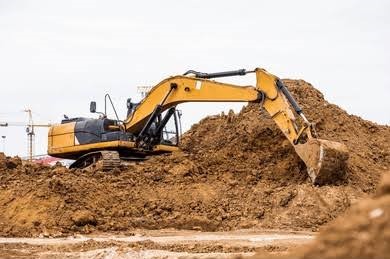
Excavator suppliers Nigeria
Excavator suppliers Nigeria
Reliable Excavator Suppliers in Nigeria for Construction and Earthmoving Projects
Finding reliable excavator suppliers in Nigeria is an important step for construction companies, civil engineers, road contractors, mining operators, quarry businesses, agricultural enterprises, and infrastructure developers seeking efficient earthmoving machinery. Excavators are essential heavy-duty machines used for digging, trenching, site preparation, foundation excavation, demolition, drainage construction, material handling, and a wide range of infrastructure projects.
As Nigeria continues to expand its road networks, residential estates, commercial buildings, industrial facilities, agricultural developments, and public infrastructure, the demand for dependable construction machinery remains significant. Contractors need excavators capable of performing demanding tasks efficiently while maintaining safety, reliability, and reasonable operating costs.
Irrigrow Civil & Engineering Limited provides engineering, construction, irrigation, and related infrastructure solutions for different project requirements. For businesses looking for excavators and associated construction equipment, selecting machinery that matches the project’s specifications, ground conditions, and operational requirements is essential.
Whether you are excavating foundations for a building, digging trenches for underground utilities, constructing drainage channels, clearing land, or undertaking large-scale earthworks, the right excavator can improve productivity and reduce the time and labour required to complete demanding tasks.
This comprehensive guide explains the types of excavators used in Nigeria, their applications, factors affecting excavator prices, how to select reliable suppliers, and what to consider when buying or hiring earthmoving equipment.
What Is an Excavator?
An excavator is a heavy construction machine designed to dig, lift, move, and remove soil, rock, debris, and other materials. A typical excavator consists of a boom, stick or dipper arm, bucket, cab, engine or power system, hydraulic components, and an undercarriage.
Most conventional excavators use hydraulic systems to control the boom, arm, and bucket, allowing operators to perform precise digging and lifting movements.
Tracked excavators move on crawler tracks, while wheeled excavators use tyres and are suited to certain applications requiring greater mobility on suitable surfaces.
Excavators are used extensively in civil engineering, road construction, mining, quarrying, agriculture, demolition, drainage installation, and utility infrastructure.
The machine’s size, digging depth, reach, operating weight, bucket capacity, hydraulic performance, and attachment compatibility determine its suitability for a particular job.
For example, a small excavator may be appropriate for narrow trenches and residential landscaping, while a large excavator may be necessary for substantial earthmoving, quarry operations, and large infrastructure developments.
Understanding these differences helps buyers select equipment that meets project requirements without incurring unnecessary capital or operating costs.
Types of Excavators Available in Nigeria
Excavators are available in different sizes and configurations to meet the needs of construction, industrial, agricultural, and infrastructure projects.
1. Mini Excavators
Mini excavators are compact machines designed for small-scale digging and earthmoving tasks. Their smaller dimensions make them suitable for residential construction, landscaping, narrow trenches, small drainage works, and projects with limited access.
They can be used to excavate foundations, dig utility trenches, remove small quantities of soil, and prepare sites for landscaping or installation work.
Mini excavators are particularly useful in developed areas where space is restricted and larger machinery may not be able to manoeuvre safely.
Depending on the model, these machines may support attachments such as hydraulic breakers, augers, grading buckets, and specialised digging buckets.
When choosing a mini excavator, consider digging depth, operating weight, bucket capacity, machine width, tail-swing configuration, hydraulic flow, and transportation requirements.
Although compact excavators offer excellent manoeuvrability, they may not be suitable for large excavation volumes, deep excavations, or highly demanding rock-breaking operations.
2. Medium-Sized Excavators
Medium-sized excavators are widely used in general construction and civil engineering projects because they provide a balance between digging capability, operating efficiency, and versatility.
They can support foundation excavation, road construction, drainage development, land preparation, trenching, and material loading.
Contractors working on residential estates, commercial developments, and municipal infrastructure may consider this category for projects involving substantial but manageable earthmoving requirements.
The most appropriate machine depends on the required digging depth, soil type, working space, loading height, and expected daily production.
Buyers should also evaluate fuel consumption, hydraulic performance, ease of maintenance, and the availability of spare parts.
A properly selected medium-sized excavator can support a variety of construction activities without requiring the larger investment associated with some heavy-duty models.
3. Large and Heavy-Duty Excavators
Large excavators are designed for substantial earthmoving operations and demanding working conditions.
They are commonly used on major road projects, large commercial developments, mining sites, quarries, and infrastructure projects requiring high excavation volumes.
These machines generally provide greater digging force, reach, operating weight, and bucket capacity than compact models.
Their applications include bulk excavation, large-scale site preparation, removal of substantial quantities of soil, loading haul trucks, and selected rock-handling operations.
Because large excavators involve higher capital, transportation, fuel, and maintenance costs, buyers should evaluate expected utilisation and production requirements carefully.
Ground conditions, material density, digging depth, loading height, and the size of the supporting equipment fleet are all important selection factors.
4. Crawler Excavators
Crawler excavators operate on continuous tracks rather than conventional road tyres.
Their tracked undercarriage helps distribute the machine’s weight across a larger ground-contact area, making them useful on many rough, uneven, and soft construction surfaces.
Crawler excavators are commonly used in road construction, drainage excavation, building foundations, earthworks, quarrying, and other operations where stable movement around a worksite is important.
However, suitability depends on ground conditions, track configuration, machine weight, slope limitations, and operating procedures.
Crawler excavators are generally transported between distant sites using appropriate heavy-equipment transport vehicles rather than driven on public roads over long distances.
When selecting a crawler excavator, inspect the tracks, rollers, sprockets, idlers, hydraulic systems, and other undercarriage components, particularly when considering used machinery.
5. Wheeled Excavators
Wheeled excavators use tyres and are designed for applications where mobility between nearby working areas is important.
They can be useful for urban construction, road maintenance, utility work, and projects involving suitable paved or firm surfaces.
Compared with crawler machines, wheeled excavators may be easier to reposition on appropriate roads, subject to the machine’s specifications and applicable transport regulations.
Their performance depends on ground conditions, tyre configuration, stabilisers, operating weight, and the work being undertaken.
For construction contractors operating in developed urban areas, a wheeled excavator may be appropriate when site mobility is a priority.
Buyers should confirm that the machine is suitable for the terrain and that its stabilisation system supports the intended excavation tasks.
6. Long-Reach Excavators
Long-reach excavators are designed with extended booms and arms to reach areas beyond the working range of conventional configurations.
They may be used for selected drainage projects, canal maintenance, riverbank works, pond excavation, slope shaping, and demolition tasks requiring additional reach.
These machines can provide access to areas that would otherwise be difficult to reach from a safe operating position.
However, extended reach affects lifting capacity and machine stability. Operators must follow the manufacturer’s load charts and operating restrictions.
Long-reach excavators should be selected according to the required reach, excavation depth, material characteristics, working platform, and project-specific safety requirements.
7. Hydraulic Excavators
Hydraulic excavators use hydraulic power to operate the boom, arm, bucket, and other compatible attachments.
The hydraulic system provides the force and control needed for digging, lifting, grading, and other earthmoving activities.
Hydraulic excavators are widely used in construction, infrastructure, quarrying, mining, and utility installation.
Their versatility makes them suitable for different attachments, including digging buckets, hydraulic breakers, augers, grapples, and selected demolition tools.
When evaluating a hydraulic excavator, consider hydraulic flow, operating pressure, cylinder condition, hose integrity, leakage, control responsiveness, and attachment compatibility.
Correct maintenance is essential for reliable operation and to reduce the risk of expensive hydraulic repairs.
Common Applications of Excavators in Nigeria
Excavators support many essential activities across Nigeria’s construction, industrial, agricultural, and infrastructure sectors.
1. Building Construction and Foundation Excavation
Building projects often require excavation before foundation construction can begin.
Excavators can remove soil, create foundation trenches, prepare building footprints, and assist with site levelling and material removal.
The appropriate machine depends on the building design, soil conditions, foundation depth, site dimensions, and access constraints.
Residential construction may require compact or medium-sized machinery, while larger commercial and industrial developments may require greater excavation capacity.
Contractors should assess underground utilities, adjacent structures, soil stability, and excavation safety requirements before work begins.
Selecting suitable equipment can improve excavation productivity and support a more organised construction process.
2. Road Construction and Rehabilitation
Road construction involves several earthmoving activities, including clearing, cutting, excavation, drainage installation, and preparation of road formation layers.
Excavators can remove unsuitable material, excavate drainage channels, shape road embankments, and load excavated soil into tipper trucks.
They are also useful for road rehabilitation projects involving the removal of damaged materials or the reconstruction of drainage infrastructure.
The choice of excavator depends on the project’s scale, terrain, material type, required production rate, and access conditions.
For larger road projects, excavators often work alongside bulldozers, graders, compactors, wheel loaders, and haul trucks.
Coordinating these machines helps reduce delays and improve the movement of materials throughout the construction process.
3. Drainage and Flood-Control Projects
Drainage infrastructure is essential for managing stormwater and reducing the risk of water accumulation in urban and rural areas.
Excavators are used to dig drainage channels, prepare culvert locations, remove accumulated sediments where appropriate, and support the construction of stormwater infrastructure.
They may also assist with canal excavation, embankment preparation, and other water management works.
Drainage projects require careful consideration of channel dimensions, soil stability, water flow, ground conditions, and the surrounding environment.
In areas with limited access or sensitive terrain, compact or long-reach excavators may be considered where their specifications are suitable.
Irrigrow Civil & Engineering Limited’s engineering and water management focus is relevant to customers planning infrastructure projects that involve drainage and related civil works.
4. Land Clearing and Site Preparation
Before construction begins, sites may require the removal of soil, loose debris, vegetation, and other obstructions.
Excavators can assist with selected land-clearing activities, stump removal where appropriate, soil relocation, and general site preparation.
However, dense vegetation, large trees, extensive root systems, and substantial rock formations may require specialised equipment or additional preparation.
A site assessment helps determine the correct combination of excavators, bulldozers, loaders, and other machinery.
Contractors should also identify underground services, property boundaries, environmental restrictions, and access routes before starting work.
5. Quarrying and Mining
Excavators are used in quarrying and mining for digging, loading, material removal, and other earthmoving activities.
Depending on the operation, they may load excavated materials into haul trucks, remove overburden, and support material movement around extraction areas.
The equipment must be suitable for the material’s hardness, abrasiveness, density, and operating environment.
Quarry operators should pay particular attention to bucket selection, hydraulic performance, structural condition, track wear, engine performance, and maintenance support.
Mining and quarry operations can involve demanding workloads, so equipment should be selected according to production requirements and manufacturer specifications.
6. Agricultural Engineering and Irrigation Projects
Excavators can support agricultural infrastructure by digging irrigation channels, preparing ponds, excavating trenches for pipelines, creating drainage channels, and carrying out selected land-development activities.
They may also be used to prepare sites for farm roads, water storage infrastructure, and greenhouse-related civil works.
The required machine size depends on soil conditions, trench dimensions, site accessibility, and the volume of earth to be moved.
For irrigation projects, accurate excavation can help prepare the routes for pipes, canals, and related water distribution infrastructure.
However, excavation must be planned carefully to avoid damaging existing pipelines, electrical services, or other buried installations.
Irrigrow Civil & Engineering Limited provides irrigation and agricultural engineering-related solutions that may complement projects involving earthworks and water infrastructure.
7. Utility and Pipeline Installation
Water supply networks, drainage systems, telecommunications infrastructure, and other utility installations may require trench excavation.
Excavators can dig trenches to the specified dimensions and help remove material from the working area.
The machine should be selected according to trench depth, width, soil type, working space, and the proximity of existing infrastructure.
In confined areas, compact excavators may be suitable. Larger projects may require higher-capacity machines.
Before excavation, contractors should identify underground utilities, follow approved excavation procedures, and implement appropriate trench protection and site safety measures.
8. Demolition and Material Handling
Excavators equipped with suitable attachments can assist with selected demolition and material-handling operations.
Depending on the machine and attachment, tasks may include breaking concrete, separating materials, handling debris, and loading waste for transportation.
Hydraulic breakers, grapples, shears, and other specialised attachments must be compatible with the excavator’s hydraulic system and operating capacity.
Demolition projects require appropriate structural assessment, hazard management, dust control, and safe separation of workers from operating machinery.
The equipment must be selected for the specific task rather than assuming that every excavator can safely perform every demolition operation.
How to Choose Reliable Excavator Suppliers in Nigeria
Choosing the right supplier is an important part of acquiring construction machinery. Buyers should evaluate the equipment, transaction terms, support arrangements, and supplier credibility before making a commitment.
1. Identify Your Excavation Requirements
Start by defining the work the excavator must perform.
Consider the required digging depth, excavation volume, material type, working space, ground conditions, loading height, and expected operating hours.
A contractor digging narrow trenches for water pipes may require a different machine from a company excavating a large commercial building foundation.
Clear requirements help narrow the available options and prevent the purchase of equipment that is unnecessarily large or insufficient for the job.
2. Select the Appropriate Machine Size
Excavators vary considerably in operating weight, digging force, reach, bucket capacity, and transportation requirements.
A compact excavator may be suitable for small sites, while a medium-sized or heavy-duty machine may be needed for major earthmoving operations.
The machine should also be compatible with the haul trucks, loading arrangements, and other equipment used on the project.
Selecting a suitable size can help balance productivity, fuel consumption, transportation costs, and manoeuvrability.
3. Examine the Engine and Hydraulic System
The engine and hydraulic system are critical to excavator performance.
For used machinery, inspect for oil leaks, unusual noise, overheating, excessive smoke, warning lights, and inconsistent engine performance.
Check the hydraulic cylinders, hoses, pumps, valves, and control functions for signs of damage or leakage.
A qualified technician should assess the machine before purchase, especially if it has extensive operating hours or an uncertain service history.
4. Inspect the Bucket, Boom, and Arm
The bucket, boom, and arm experience substantial loads during excavation.
Inspect the bucket teeth, cutting edges, pins, bushings, welds, and structural components for excessive wear or damage.
Check for cracks, poor repairs, excessive looseness, and signs of structural deformation.
The bucket must also be appropriate for the intended material and task.
A general-purpose bucket may suit ordinary soil excavation, while rock excavation or other specialised operations may require a different configuration.
5. Evaluate the Undercarriage
For crawler excavators, the undercarriage is a major maintenance consideration.
Inspect the tracks, track links, rollers, sprockets, idlers, and associated components for wear or damage.
Repairs to heavily worn undercarriage components can be expensive, so their condition should be included in the purchase assessment.
For wheeled excavators, inspect tyres, axles, steering, brakes, and stabilisers as applicable.
6. Check Spare Parts and After-Sales Support
Reliable maintenance support can reduce the impact of unexpected breakdowns.
Ask about the availability of filters, hydraulic hoses, seals, track components, bucket teeth, and other parts appropriate to the machine.
Confirm whether technical documentation, maintenance guidance, warranty coverage, and servicing support are available under the proposed transaction.
For contractors working to tight deadlines, access to suitable spare parts can be a major factor in equipment selection.
7. Compare New and Used Excavators
New excavators may provide current specifications and warranty coverage subject to the manufacturer’s and supplier’s terms.
Used excavators can offer a lower initial purchase cost, but buyers must evaluate the machine’s condition, maintenance history, operating hours, and expected repair requirements.
Request available service records, inspect the machine, and test its functions where possible.
Check identification numbers and relevant ownership and import documentation before completing a transaction.
For expensive machinery, an independent pre-purchase inspection is a prudent investment.
8. Confirm Delivery and Transportation
Excavators often require specialised transportation between suppliers and construction sites.
Confirm the delivery location, transportation costs, expected delivery date, loading arrangements, and responsibility for securing the machine during transit.
Larger tracked excavators may require low-bed trailers, route planning, and applicable transport approvals.
Make sure the delivery arrangements are clearly documented before payment.
Excavator Prices in Nigeria
Excavator prices in Nigeria vary depending on the manufacturer, model, operating weight, digging capacity, age, condition, attachments, and current market conditions.
New excavators generally cost more than used machines, while specialised configurations may command different prices from standard models.
Imported machinery can also be affected by exchange rates, shipping, customs-related charges, taxes, inland transport, and the availability of spare parts.
Additional ownership costs may include servicing, repairs, fuel, insurance, operator training, storage, and transportation between sites.
Because prices fluctuate, buyers should obtain current quotations for the specific machine they intend to purchase.
Factors Affecting Excavator Prices
Machine size: Compact, medium-sized, and heavy-duty excavators have different acquisition costs and operating requirements.
Manufacturer and model: Specifications, reputation, parts availability, and service arrangements can affect market value.
Age and operating hours: Older machines and equipment with extensive use may require more maintenance.
Mechanical condition: Engine health, hydraulic performance, undercarriage wear, and structural condition influence value.
Attachments: Hydraulic breakers, specialised buckets, grapples, and other attachments can affect the total cost.
Import and transportation costs: Freight, customs-related expenses, exchange rates, and delivery arrangements may affect the final price.
Maintenance and warranty: Available technical support and applicable warranty terms can influence the overall value of a purchase.
How to Request an Excavator Quotation
When requesting a quotation, provide the type of project, preferred excavator size, intended application, new or used preference, required attachments, location, and expected delivery date.
For projects involving deep excavation, hard ground, or specialised trenching, include the relevant technical specifications.
This information helps the supplier assess the equipment requirements and provide a more relevant quotation.
Irrigrow Civil & Engineering Limited welcomes enquiries concerning engineering and construction equipment needs. Contact the company to confirm whether excavators can be supplied or sourced for your project and to discuss the applicable pricing and delivery arrangements.
Buying Versus Hiring an Excavator in Nigeria
Contractors should consider whether purchasing or hiring an excavator is more appropriate for their project.
The decision depends on the project duration, expected utilisation, available capital, maintenance capacity, and future demand for the equipment.
Benefits of Buying an Excavator
Owning an excavator may be appropriate for businesses that undertake frequent excavation work across multiple projects.
Ownership provides greater control over equipment scheduling and availability, subject to maintenance requirements and machine downtime.
However, the business must budget for acquisition, fuel, servicing, repairs, transportation, insurance where applicable, and eventual replacement.
A purchase should be evaluated against the machine’s expected workload and the organisation’s long-term operational plans.
Benefits of Hiring an Excavator
Hiring can be practical for short-term projects, occasional excavation work, or businesses that do not need to operate a machine throughout the year.
Depending on the contract, hiring arrangements may include an operator, servicing responsibilities, or transportation.
Before signing an agreement, confirm the rental period, working hours, fuel arrangements, mobilisation costs, overtime charges, operator fees, and responsibility for repairs or damage.
Clarify whether the quotation covers only the machine or includes other services.
Comparing the Overall Costs
To compare ownership and hiring fairly, consider the complete cost of each option.
Ownership costs include the purchase price, financing, maintenance, repairs, fuel, insurance, transportation, and depreciation.
Hiring costs may include rental charges, delivery, collection, fuel, operator costs, overtime, and other contractual expenses.
For a short project, hiring may reduce the initial financial commitment. For a business with consistent demand, ownership may be worth evaluating over a longer period.
The right decision depends on actual utilisation and project economics.
Excavator Maintenance and Safety
Proper maintenance helps improve excavator reliability, reduce avoidable breakdowns, and support safe operation.
All inspection and servicing activities should follow the manufacturer’s recommendations and applicable workplace safety requirements.
Daily Inspection
Before operation, inspect fluid levels, visible hydraulic hoses, cylinders, bucket attachments, track or tyre condition, warning indicators, lights, alarms, mirrors, cameras, and other fitted safety systems.
Look for leaks, loose components, unusual damage, or other signs that could affect operation.
Any defect that compromises safe operation should be assessed before the machine is used.
Engine and Hydraulic Maintenance
Service the engine, cooling system, hydraulic system, filters, and other components according to the manufacturer’s schedule.
Use the specified lubricants and compatible replacement parts.
Contaminated hydraulic fluid and neglected servicing can accelerate component wear and affect machine performance.
Undercarriage Maintenance
Crawler excavators require regular inspection of their tracks, rollers, sprockets, idlers, and related components.
Maintain track tension according to the manufacturer’s specifications and operating conditions.
For wheeled excavators, inspect tyres, brakes, steering, and stabilisers as appropriate.
Operator Training
Excavators should be operated by trained and authorised personnel familiar with the machine and the site’s safety procedures.
Operators should understand machine limits, safe working distances, visibility restrictions, attachment operation, travel procedures, and the hazards associated with excavation.
Seat belts and fitted safety systems should be used as instructed.
Safe Excavation Practices
Before digging, identify underground utilities and assess the stability of the surrounding ground.
Keep workers clear of the machine’s swing radius and establish appropriate exclusion zones.
Avoid working too close to unsupported excavation edges, unstable slopes, buried services, or nearby structures without proper assessment.
Excavations requiring protective systems should be managed according to applicable safety requirements. Never allow workers to enter an unsafe trench merely because excavation work appears complete.
For lifting operations, confirm that the excavator is rated and configured for the task, follow the manufacturer’s load limits, and use appropriate lifting equipment and procedures.
Why Choose Irrigrow Civil & Engineering Limited for Engineering Solutions?
Selecting an engineering company requires an understanding of its service areas, technical capabilities, and suitability for the intended project.
Irrigrow Civil & Engineering Limited operates in civil engineering, construction, irrigation, water management, and related infrastructure activities.
The company supports customers seeking engineering-related solutions for construction, agriculture, and infrastructure projects.
Engineering and Construction Focus
Our focus on engineering and construction activities reflects the importance of proper planning, suitable equipment selection, and project-specific requirements.
Different projects require different approaches to equipment, materials, site conditions, and maintenance.
Infrastructure and Water Management Solutions
Infrastructure development may involve excavation, drainage, water distribution, irrigation, and other interconnected activities.
Our engineering focus supports customers seeking solutions related to these areas.
Support for Different Project Types
Construction contractors, agricultural businesses, infrastructure developers, and other organisations have different equipment and service needs.
We encourage customers to provide details about their intended application so their enquiries can be assessed against the company’s current offerings.
Project-Specific Enquiries
Every project has its own technical specifications, schedule, and budget.
Providing the location, scope of work, equipment requirements, and delivery timeline helps establish whether an appropriate solution can be offered.
Clear Procurement Communication
Before committing to heavy equipment, customers should confirm the machine’s specifications, price, condition, delivery terms, and any applicable warranty or service arrangements.
Irrigrow Civil & Engineering Limited welcomes enquiries from customers seeking engineering, construction, irrigation, and related infrastructure solutions in Nigeria.
For excavator purchases or sourcing requests, contact the company to confirm availability and the applicable arrangements.
Frequently Asked Questions About Excavator Suppliers in Nigeria
Where can I find excavator suppliers in Nigeria?
You can contact construction machinery dealers, heavy-equipment suppliers, equipment importers, and engineering companies that handle earthmoving machinery. Irrigrow Civil & Engineering Limited provides engineering and construction-related solutions; contact the company to confirm current excavator availability and sourcing options.
How much does an excavator cost in Nigeria?
Prices vary according to the manufacturer, model, operating weight, digging capacity, condition, age, attachments, exchange rates, and transportation expenses. Request a current quotation for the required machine rather than relying on a general estimate.
Which excavator is best for building construction?
The best machine depends on the foundation dimensions, soil conditions, excavation depth, available working space, and volume of material to be removed. Compact excavators may suit restricted residential sites, while larger developments may require medium-sized or heavy-duty equipment.
What is the difference between a mini excavator and a large excavator?
Mini excavators are designed for smaller jobs and confined spaces, while large excavators are intended for higher-volume earthmoving and more demanding applications. Their operating weight, digging force, reach, bucket capacity, and transportation requirements differ significantly.
Can excavators be used for drainage construction?
Yes. Excavators are widely used to dig drainage channels, trenches, culvert locations, and other water infrastructure features. The machine should be selected according to the required dimensions, soil conditions, working space, and project specifications.
Should I buy a new or used excavator?
A new excavator may offer current specifications and warranty coverage, while a used machine may have a lower purchase price. Compare mechanical condition, maintenance history, expected repairs, parts availability, and total operating costs before deciding.
Can I hire an excavator instead of buying one?
Yes. Hiring may be suitable for short-term projects or occasional excavation work. Confirm the rental rate, working hours, fuel arrangements, transportation costs, operator fees, maintenance responsibilities, and other contract terms.
What should I inspect before buying a used excavator?
Inspect the engine, hydraulic system, boom, arm, bucket, tracks or tyres, swing mechanism, controls, and structural components. Review maintenance records and identification documents, and arrange a qualified pre-purchase inspection where possible.
What attachments can an excavator use?
Depending on the model and hydraulic configuration, an excavator may use digging buckets, grading buckets, hydraulic breakers, augers, grapples, and other compatible attachments. Confirm the attachment’s weight, hydraulic requirements, and compatibility with the machine.
Does Irrigrow Civil & Engineering Limited sell excavators?
Contact Irrigrow Civil & Engineering Limited to confirm whether excavators are currently available, whether sourcing arrangements can be made, and the relevant quotation, delivery, and support terms.
Contact Irrigrow Civil & Engineering Limited for Excavator Enquiries
Choosing the right excavator is an important investment for construction companies, road contractors, infrastructure developers, quarry operators, and agricultural businesses.
Suitable machinery can help improve digging productivity, support accurate earthworks, and reduce unnecessary delays. Achieving these benefits requires careful equipment selection, appropriate operator training, and consistent maintenance.
When searching for excavator suppliers in Nigeria, compare technical specifications, machine condition, operating costs, spare parts availability, maintenance support, and delivery arrangements.
Irrigrow Civil & Engineering Limited supports customers seeking engineering, construction, irrigation, and related infrastructure solutions. If you require an excavator or other construction equipment, contact the company to discuss your project and confirm the available options.
To make your enquiry more effective, provide the intended application, preferred machine size, new or used preference, required attachments, project location, and delivery schedule.
Visit https://irrigrow.com.ng/ to explore Irrigrow Civil & Engineering Limited’s engineering-related offerings and enquire about suitable solutions for your project.
Conclusion
Excavators are essential machines for construction, road development, drainage installation, mining, quarrying, agricultural infrastructure, and other earthmoving operations in Nigeria.
From compact excavators for restricted sites to heavy-duty crawler machines for large infrastructure projects, the right equipment depends on digging requirements, ground conditions, machine capacity, operating costs, and the availability of maintenance support.
Finding reliable excavator suppliers in Nigeria requires more than comparing prices. Buyers should evaluate equipment specifications, mechanical condition, documentation, spare parts, delivery terms, and the supplier’s ability to meet the project’s requirements.
Irrigrow Civil & Engineering Limited is an engineering and construction-focused company serving customers with related project needs. Contact the company to confirm current excavator availability and discuss suitable equipment or engineering solutions for your next project.
Choose equipment that matches your requirements and plan your next construction project with confidence.

Share options