
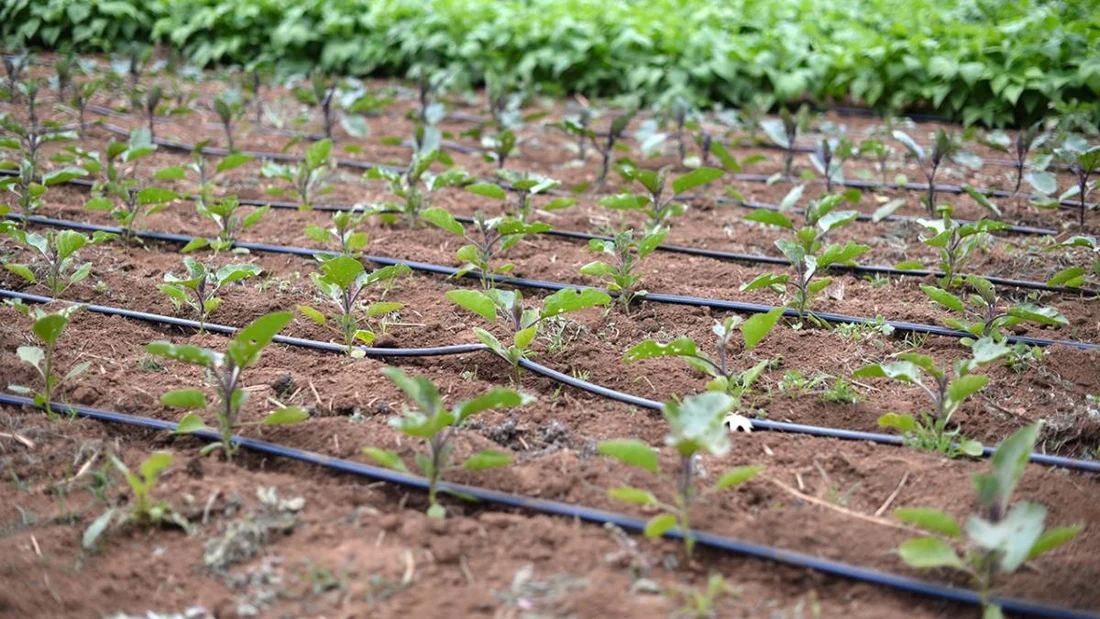
Farm road and drainage construction Nigeria
Farm road and drainage construction Nigeria
Reliable road access and effective drainage are essential components of modern agricultural infrastructure. A farm may have productive soil, irrigation facilities, machinery, and high-value crops, but poor internal roads and inadequate drainage can significantly affect farm operations. During the rainy season, unpaved farm routes can become muddy, eroded, or difficult to access, while uncontrolled runoff can damage roads, fields, drainage channels, and other infrastructure.
Irrigrow Civil & Engineering provides farm road and drainage construction services in Nigeria for commercial farms, agricultural estates, plantations, livestock farms, greenhouse developments, irrigation projects, agro-industrial facilities, and individual farm owners.
Our agricultural civil engineering approach combines road construction, earthworks, drainage design, culvert installation, erosion control, and site development to create practical farm access infrastructure.
Whether you are developing a new agricultural estate, expanding an existing farm, establishing an irrigation project, or rehabilitating damaged farm roads, Irrigrow Civil & Engineering can help plan and execute the required civil works.
Farm Road Construction in Nigeria
Farm roads provide access between farm entrances, production fields, storage facilities, processing areas, irrigation infrastructure, staff facilities, workshops, and other agricultural assets.
Unlike conventional urban roads, farm roads are primarily designed around agricultural operations. Their requirements depend on the vehicles and equipment expected to use them, including tractors, trucks, harvesters, tankers, pickups, and other farm machinery.
Irrigrow Civil & Engineering provides farm road construction solutions based on the intended use, site conditions, soil characteristics, drainage requirements, traffic, and project budget.
Our farm road services may include:
- Farm access road construction
- Internal farm road construction
- Laterite road construction
- Earthworks
- Road grading
- Soil stabilization
- Road formation
- Compaction
- Drainage construction
- Culvert installation
- Erosion protection
- Road rehabilitation
- Road maintenance
A properly planned farm road should provide reliable access while allowing water to drain away without damaging the road structure.
Agricultural Road and Drainage Engineering
Roads and drainage systems should be planned together. Constructing a farm road without considering water movement can result in rapid deterioration, especially in areas with heavy rainfall.
Water can weaken the road formation, wash away laterite, create potholes, erode embankments, and make the road difficult to use.
For this reason, Irrigrow Civil & Engineering considers both road geometry and drainage requirements during agricultural infrastructure planning.
A typical farm road development may involve:
Site assessment → Surveying and setting out → Clearing → Earthworks → Formation → Grading → Drainage → Culverts → Road surfacing → Compaction → Final inspection
The exact construction method depends on the site and the intended road standard.
Farm Access Road Construction
Farm access roads connect agricultural properties to public roads and provide the primary route for moving equipment, workers, inputs, and harvested products.
A farm access road should be designed to accommodate the expected vehicles and seasonal conditions.
Important considerations include:
- Road width
- Soil type
- Terrain
- Drainage
- Traffic volume
- Vehicle type
- Road gradient
- Surface material
- Culvert requirements
- Shoulder stability
- Maintenance requirements
Irrigrow Civil & Engineering can assess the proposed route and develop a practical construction approach based on the farm’s operational needs.
Internal Farm Road Construction
Large farms often require internal road networks connecting different sections of the property.
Internal roads can provide access to:
- Crop production areas
- Greenhouses
- Boreholes
- Irrigation equipment
- Farm buildings
- Warehouses
- Livestock facilities
- Processing areas
- Staff quarters
- Workshops
- Loading areas
- Storage facilities
A properly organized internal road network can improve movement efficiency and reduce delays during planting, spraying, harvesting, transportation, and maintenance activities.
Laterite Farm Road Construction
Laterite is commonly used for rural and agricultural road construction in many parts of Nigeria. However, the performance of a laterite road depends on the properties of the available material, ground conditions, drainage, compaction, thickness, and construction quality.
Irrigrow Civil & Engineering can use suitable lateritic materials for agricultural roads where they meet the project’s requirements.
Farm road construction may involve:
- Clearing the road corridor
- Removing unsuitable material
- Preparing the subgrade
- Filling low areas where required
- Spreading suitable laterite
- Grading
- Moisture conditioning
- Compaction
- Constructing drainage
- Final finishing
The appropriate road thickness and material requirements should be determined according to site conditions and expected traffic.
Farm Road Earthworks
Earthworks form an important part of agricultural road construction. Depending on the terrain, the project may require excavation, filling, leveling, grading, embankment construction, and compaction.
Irrigrow Civil & Engineering provides agricultural earthworks for:
- Farm roads
- Drainage channels
- Culvert approaches
- Farm platforms
- Agricultural ponds
- Irrigation trenches
- Site preparation
- Road embankments
Proper earthwork planning helps establish a stable foundation for the road and supports effective drainage.
Farm Drainage Construction in Nigeria
Agricultural drainage systems are designed to control and direct excess water away from roads, fields, buildings, and other infrastructure.
Nigeria experiences varying rainfall patterns across its regions. In areas with intense seasonal rainfall, poorly controlled runoff can cause serious damage to agricultural infrastructure.
Irrigrow Civil & Engineering provides farm drainage construction services designed around the site’s topography, soil, rainfall conditions, road layout, and water flow.
Drainage solutions may include:
- Open drains
- Side drains
- Field drains
- Roadside drains
- Cross-drainage structures
- Culverts
- Catch drains
- Water outlets
- Erosion control structures
- Drainage rehabilitation
Open Drain Construction
Open drains are commonly used on farms to convey surface runoff. They can be constructed alongside roads or within areas where water needs to be redirected.
The dimensions and alignment of an open drain should be based on the expected water flow, terrain, soil conditions, and available outlet.
Irrigrow Civil & Engineering can construct agricultural drainage channels using appropriate excavation and stabilization methods.
Depending on site conditions, drains may be:
- Earth-lined
- Concrete-lined
- Stone-protected
- Reinforced
- Grass-stabilized
The appropriate option depends on flow velocity, soil stability, slope, maintenance requirements, and project specifications.
Farm Roadside Drainage
Roadside drainage prevents water from remaining on the road surface and helps direct runoff away from the road structure.
A typical farm road drainage system may consist of:
- Side drains
- Cross drains
- Culverts
- Inlets
- Outlets
- Erosion protection
Without adequate roadside drainage, rainwater can accumulate on the road and weaken the underlying layers.
Irrigrow Civil & Engineering considers roadside drainage as an important component of farm road construction, particularly where roads are exposed to significant rainfall or runoff.
Agricultural Culvert Construction
Culverts allow water to pass beneath roads, access routes, embankments, and other infrastructure.
They may be required where a farm road crosses:
- Natural drainage paths
- Small streams
- Existing channels
- Irrigation canals
- Low-lying areas
- Seasonal waterways
Culvert construction may involve excavation, bedding preparation, pipe or box culvert installation, backfilling, compaction, headwalls, inlet protection, and outlet protection.
The culvert size should be selected according to the expected flow and site conditions.
Box Culverts for Farm Roads
Box culverts may be appropriate where larger drainage flows need to pass beneath an agricultural road.
Depending on the project, box culverts can be constructed using reinforced concrete and may include headwalls, wing walls, apron slabs, and erosion protection.
Irrigrow Civil & Engineering can assess locations where cross-drainage structures are required and incorporate suitable culvert solutions into the farm road design.
Farm Road Drainage and Erosion Control
Uncontrolled water flow can cause erosion along road edges, drainage channels, embankments, and agricultural fields.
Erosion control measures may include:
- Proper drainage alignment
- Reduced flow velocity
- Outlet protection
- Stone pitching
- Concrete lining
- Grass stabilization
- Check structures
- Culvert outlet protection
- Proper road grading
The appropriate erosion-control solution depends on the site’s slope, soil characteristics, water velocity, and infrastructure requirements.
Farm Road Construction for Commercial Agriculture
Commercial farms require dependable access because agricultural operations involve frequent movement of workers, machinery, farm inputs, harvested products, and service vehicles.
A well-planned farm road network can connect production areas with:
- Warehouses
- Processing facilities
- Irrigation systems
- Loading areas
- Farm offices
- Workshops
- Greenhouses
- Livestock facilities
- Storage areas
Irrigrow Civil & Engineering can develop farm road infrastructure according to the operational layout of the agricultural project.
Farm Roads for Tractors and Heavy Machinery
Farm roads should be designed according to the equipment expected to use them.
Agricultural machinery can be heavier and wider than ordinary vehicles. Tractors, trailers, harvesters, trucks, tankers, and other equipment may require suitable road width, turning areas, gradients, and pavement strength.
During the planning stage, Irrigrow Civil & Engineering can consider:
- Vehicle dimensions
- Axle loads
- Turning requirements
- Road width
- Road gradient
- Surface material
- Drainage
- Seasonal accessibility
This helps ensure that the completed road supports the actual operational requirements of the farm.
Drainage for Irrigated Farms
Irrigation introduces additional water into agricultural environments, making water management particularly important.
An irrigated farm may require coordinated systems for:
- Irrigation water delivery
- Surface runoff
- Excess irrigation water
- Stormwater
- Field drainage
- Road drainage
Irrigrow Civil & Engineering can integrate irrigation and drainage infrastructure during farm development planning.
The objective is to supply crops with the required irrigation water while preventing uncontrolled accumulation or movement of excess water.
Drainage Construction for Greenhouse Farms
Greenhouse developments also require effective drainage. Water from irrigation, rainfall, cleaning activities, and surrounding land can create problems if it is not properly controlled.
Greenhouse drainage infrastructure may include:
- Surface drains
- Perimeter drains
- Internal drainage
- Collection channels
- Outlet structures
- Stormwater channels
The drainage system should be coordinated with the greenhouse layout, irrigation system, access roads, and surrounding terrain.
Farm Drainage for Flood-Prone Areas
Some agricultural locations experience periodic flooding because of terrain, high rainfall, proximity to waterways, poor natural drainage, or other factors.
Where flood risks are present, agricultural infrastructure should be planned with water movement in mind.
Potential measures may include:
- Improved drainage channels
- Raised road formation
- Culverts
- Cross-drainage structures
- Water diversion
- Erosion protection
- Controlled outlets
- Elevated agricultural platforms
The appropriate solution depends on the site’s flood characteristics and engineering assessment.
Farm Road Rehabilitation
Existing farm roads can deteriorate due to heavy traffic, rainfall, erosion, poor drainage, inadequate construction, or lack of maintenance.
Irrigrow Civil & Engineering can assess damaged agricultural roads and recommend appropriate rehabilitation measures.
Road rehabilitation may involve:
- Clearing vegetation
- Removing damaged material
- Regrading
- Filling potholes
- Adding suitable road material
- Improving drainage
- Culvert repairs
- Compaction
- Erosion control
Improving drainage is often an important part of road rehabilitation because recurring water damage can quickly affect newly repaired road surfaces.
Farm Road Construction Process
Irrigrow Civil & Engineering follows a structured approach to agricultural road construction.
Site Inspection
The proposed road alignment and surrounding land are assessed to understand terrain, soil, existing drainage, access, and operational requirements.
Survey and Setting Out
The proposed road corridor and drainage structures are established based on the project requirements.
Clearing and Preparation
Vegetation, debris, unsuitable materials, and obstructions are removed from the construction area.
Earthworks
Excavation, filling, grading, and formation works are carried out as required.
Subgrade Preparation
The underlying ground is prepared and compacted to provide a suitable foundation for the road.
Drainage Installation
Side drains, culverts, cross-drainage structures, and outlets are constructed according to the drainage requirements.
Road Material Placement
Suitable road materials are placed, spread, graded, and compacted.
Final Grading
The road surface is shaped to achieve the required profile and facilitate effective water runoff.
Inspection and Handover
The completed road and drainage infrastructure are inspected before handover.
Farm Drainage Construction Process
Effective drainage begins with understanding where water comes from and where it naturally wants to flow.
Our drainage planning process can involve:
- Site inspection
- Topographic assessment
- Identification of existing water paths
- Assessment of road and field levels
- Determination of drainage requirements
- Drain alignment planning
- Culvert location planning
- Outlet identification
- Drain construction
- Erosion protection
- Inspection and maintenance planning
Drainage should ultimately provide a controlled route for water without causing new erosion or flooding problems elsewhere.
Importance of Proper Farm Road Drainage
Farm road drainage is not simply an additional feature of road construction. It is one of the factors that can determine how long an agricultural road remains functional.
Effective drainage can help:
- Reduce waterlogging
- Protect road surfaces
- Reduce erosion
- Improve rainy-season access
- Protect road foundations
- Reduce maintenance requirements
- Protect adjacent agricultural land
- Improve farm transportation
For this reason, drainage requirements should be considered during the initial farm road planning stage.
How Much Does Farm Road Construction Cost in Nigeria?
The cost of constructing a farm road depends on several factors, including:
- Road length
- Road width
- Existing ground conditions
- Soil type
- Required earthworks
- Laterite availability
- Haulage distance
- Road thickness
- Drainage requirements
- Culvert requirements
- Equipment requirements
- Labour
- Terrain
- Accessibility
- Project location
A road requiring significant excavation and imported material will have different costs from a road constructed on relatively stable terrain with suitable local materials.
For an accurate estimate, Irrigrow Civil & Engineering can assess the proposed road alignment and prepare a project scope and cost estimate.
How Much Does Farm Drainage Construction Cost in Nigeria?
Drainage construction costs depend on the length, dimensions, material, depth, terrain, flow requirements, construction method, and number of structures required.
Open earth drains may have different costs from concrete drains, while major culverts and reinforced concrete structures can significantly affect the project budget.
A site-specific assessment is therefore recommended before establishing a final drainage construction cost.
Why Choose Irrigrow Civil & Engineering?
Irrigrow Civil & Engineering provides agricultural civil engineering services with a focus on practical infrastructure for farming operations.
Agricultural Infrastructure Experience
Our services are designed around agricultural environments and the infrastructure required to support farming activities.
Integrated Road and Drainage Solutions
We understand that road construction and drainage should work together. Our projects can combine road formation, drainage, culverts, and erosion control.
Engineering-Based Planning
Site conditions, water movement, traffic requirements, terrain, and construction requirements are considered during project planning.
Commercial Farm Support
We can support both small agricultural projects and larger commercial farm developments.
Practical Construction Solutions
Our objective is to provide infrastructure that is functional, maintainable, and appropriate for the project’s intended use.
Frequently Asked Questions
What is a farm road?
A farm road is an access route constructed within or leading to an agricultural property. It allows tractors, trucks, farm workers, equipment, and agricultural products to move efficiently between different areas of the farm.
Why is drainage important on a farm road?
Drainage prevents uncontrolled water from accumulating on or flowing across the road. Proper drainage can help protect the road surface, reduce erosion, and improve access during the rainy season.
Can you construct a farm road with laterite?
Yes. Laterite is commonly used for many rural and agricultural road projects in Nigeria. However, the suitability of the material and the required construction thickness should be determined based on site and traffic conditions.
Do farm roads require culverts?
Not every farm road requires the same number or type of culverts. Culverts are generally required where roads cross drainage paths, streams, channels, or areas where water needs to pass beneath the road.
Can you rehabilitate an existing farm road?
Yes. Existing agricultural roads can be assessed and rehabilitated through grading, filling, additional road material, drainage improvements, culvert repairs, compaction, and erosion-control measures as appropriate.
Can you construct drainage around a farm?
Yes. Irrigrow Civil & Engineering provides agricultural drainage construction for farms, including roadside drains, field drainage, culverts, water outlets, and erosion-control infrastructure.
Can farm road and irrigation projects be developed together?
Yes. Farm road, irrigation, drainage, and water infrastructure can be planned as part of an integrated agricultural development. Coordinating these systems can help avoid conflicts and improve overall farm infrastructure planning.
How long does farm road construction take?
Construction duration depends on road length, terrain, weather, soil conditions, equipment availability, drainage requirements, material availability, and the scope of work. A project schedule can be developed after site assessment.
Build Reliable Farm Access and Drainage Infrastructure
Agricultural productivity depends not only on crops and water but also on the infrastructure that allows farm operations to function efficiently.
A well-constructed farm road can improve access for tractors, workers, trucks, and agricultural equipment, while properly designed drainage can protect roads, fields, and other infrastructure from uncontrolled water.
Irrigrow Civil & Engineering provides farm road and drainage construction in Nigeria, supporting commercial farms, agricultural estates, plantations, greenhouse projects, irrigation developments, and other agricultural infrastructure projects.
Our services cover farm access roads, internal farm roads, laterite road construction, earthworks, roadside drainage, open drains, culverts, erosion control, road rehabilitation, and integrated agricultural civil engineering.
Farm road and drainage construction Nigeria | Farm road and drainage construction Nigeria | Farm road and drainage construction Nigeria | Farm road and drainage construction Nigeria
If you are planning a new farm, expanding an existing agricultural property, developing an irrigation project, or rehabilitating an existing farm road, contact Irrigrow Civil & Engineering for a professional assessment and project proposal.
