
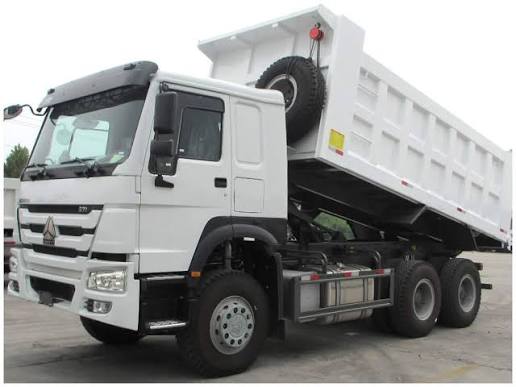
Dump truck suppliers Nigeria
Dump trucks are essential vehicles for construction, civil engineering, mining, quarrying, road development, agricultural infrastructure, and other heavy-duty transportation operations. They are designed to transport and unload materials such as sand, laterite, granite, gravel, crushed stone, soil, construction debris, and other bulk materials efficiently. For contractors, construction companies, mining operators, and infrastructure developers searching for reliable dump truck suppliers in Nigeria, choosing the right vehicle is an important step towards improving productivity and managing project costs.
Irrigrow Civil & Engineering Limited supports engineering, construction, irrigation, and infrastructure development projects in Nigeria. Whether you are planning a road construction project, developing a building site, managing a quarry, transporting construction materials, or expanding your heavy equipment fleet, selecting suitable machinery and vehicles can help your business meet its operational requirements.
Dump trucks are available in different sizes, body configurations, load capacities, and mechanical specifications. The right choice depends on the material being transported, the distance covered, the condition of the access roads, the size of the construction site, and the volume of material that must be moved daily.
If you are searching for dump trucks for sale in Nigeria, heavy-duty dump trucks, tipper trucks, construction trucks, or suppliers of earthmoving equipment, it is important to compare vehicle specifications, operating costs, maintenance requirements, load capacity, and after-sales support before making a purchasing decision.
Irrigrow Civil & Engineering Limited provides an engineering-focused point of contact for businesses exploring construction and infrastructure equipment solutions. Contact the company to confirm current dump truck availability, sourcing options, technical specifications, pricing, and delivery arrangements.
Dump Truck Suppliers in Nigeria for Construction and Engineering Projects
Dump truck suppliers help contractors, construction companies, quarry operators, and other businesses obtain vehicles designed to transport bulk materials. Depending on the vehicle configuration, a dump truck can carry materials to a construction site and unload them by raising its cargo body using a hydraulic tipping system.
In Nigeria, dump trucks are used across a wide range of industries, including building construction, road construction, mining, quarrying, drainage works, land development, and agricultural infrastructure projects.
Construction companies may use dump trucks to transport sand, granite, laterite, soil, and other materials required for site preparation and civil engineering works. Quarry operators may use heavy-duty trucks to move extracted materials, while road contractors may need tipper trucks to transport aggregates and earth materials along construction routes.
When searching for dump truck suppliers in Nigeria, buyers should consider more than the purchase price. A suitable vehicle must be able to handle the intended workload safely, comply with applicable transport requirements, and remain economical to operate over its working life.
Important purchasing considerations include payload capacity, engine performance, fuel consumption, drivetrain, transmission, hydraulic tipping system, tyre specifications, spare parts availability, and vehicle condition.
Irrigrow Civil & Engineering Limited focuses on engineering, irrigation, and infrastructure-related solutions. Businesses can contact the company to discuss their equipment requirements and verify the dump truck options currently available or that may be sourced for their projects.
What Is a Dump Truck?
A dump truck is a heavy-duty vehicle designed to transport loose materials and unload them by tipping its cargo body. Many conventional dump trucks use a hydraulic mechanism to raise the front of the body, allowing the load to slide out through the rear.
Dump trucks are particularly useful where large quantities of material must be moved between locations. Their design allows them to transport materials that would be difficult or inefficient to move using ordinary vehicles.
Typical materials transported by dump trucks include:
- Sharp sand and filling sand.
- Laterite and other earth materials.
- Granite and crushed stone.
- Gravel and aggregates.
- Excavated soil.
- Construction and demolition debris, where legally permitted.
- Quarry materials.
- Selected agricultural and industrial bulk materials.
The suitability of a truck depends on the material’s density, moisture content, loading method, and the vehicle’s rated payload.
For example, a truck carrying dense granite may reach its permissible weight limit before its cargo body is completely full. Operators must therefore consider weight limits rather than relying solely on the apparent volume of the load.
Types of Dump Trucks Available for Construction and Heavy-Duty Operations
Dump trucks are manufactured in different configurations to meet specific transportation and working conditions. Understanding these types helps buyers identify vehicles suited to their projects.
1. Standard Rear Dump Trucks
Standard rear dump trucks are among the most recognisable types of dump trucks. They feature a cargo body that tilts backwards to discharge its load.
They are commonly used in construction, road development, land clearing, sand supply, and the transportation of aggregates.
Their practical advantages include a relatively straightforward unloading arrangement and versatility across many construction applications.
Before purchasing one, buyers should assess its payload rating, wheelbase, axle configuration, tipping mechanism, tyre condition, and suitability for the site’s loading and unloading conditions.
2. Tipper Trucks
The terms tipper truck and dump truck are often used interchangeably, particularly in Nigerian construction and transportation markets.
Tipper trucks are commonly used to transport sand, laterite, granite, gravel, and other loose materials for construction and infrastructure projects.
They may be available in different sizes and load capacities, depending on their chassis, body design, axle configuration, and intended application.
When requesting a quotation, specify the capacity you require and confirm whether the stated capacity refers to the rated payload, cargo-body volume, or another measurement.
3. Heavy-Duty Dump Trucks
Heavy-duty dump trucks are intended for demanding transportation work and may be used on major construction projects, quarry operations, and other applications requiring substantial material movement.
These vehicles may have stronger chassis designs, higher-rated payloads, more powerful engines, and specialised drivetrain configurations.
However, a heavy-duty truck is not automatically suitable for every project. Road conditions, access restrictions, loading equipment, turning space, and legal weight limits must be considered.
4. Articulated Dump Trucks
Articulated dump trucks are specialised off-road vehicles that use an articulated joint between the front and rear sections to improve manoeuvrability over challenging terrain.
They are commonly associated with large earthmoving projects, mining operations, quarry development, and construction sites where conventional road trucks may struggle with the terrain.
Their design may be appropriate for muddy, uneven, or rough working environments, subject to the vehicle’s specifications and operating limits.
Articulated dump trucks are generally different from ordinary road-going tipper trucks in their design, operating environment, and maintenance requirements.
5. Rigid-Frame Off-Road Dump Trucks
Rigid-frame dump trucks are heavy-duty vehicles used in demanding mining, quarrying, and large-scale earthmoving operations.
They are designed to carry substantial loads within the limits specified by the manufacturer and are typically operated in environments suited to their size and configuration.
Businesses considering these vehicles should evaluate payload requirements, haul-road conditions, loading equipment, maintenance infrastructure, tyre costs, and operator training.
They may be unnecessary for small construction sites or projects with limited access.
6. Side Dump Trucks
Side dump trucks discharge materials by tipping their cargo bodies sideways rather than directly behind the vehicle.
Depending on the design, they can provide useful unloading options where the site layout and material placement requirements make side discharge appropriate.
Buyers should verify the truck’s stability requirements, tipping mechanism, body capacity, and the space required for safe unloading.
7. Specialised Dump Trucks
Some projects require specialised dump trucks configured for particular materials, operating environments, or handling requirements.
Examples include vehicles designed for specific mining applications, waste handling, or industrial bulk-material transport.
Specialised vehicles should be selected according to the manufacturer’s intended application and the safety and regulatory requirements of the operating environment.
Dump Trucks for Sale in Nigeria
Businesses searching for dump trucks for sale in Nigeria should begin by defining their transportation needs. The right vehicle for a sand supply business may differ from the vehicle needed for a quarry, road construction project, or major earthmoving contract.
Before buying a dump truck, consider the following details:
- Vehicle make and model.
- New, used, or refurbished condition.
- Engine power and fuel requirements.
- Transmission type.
- Rated payload and cargo-body volume.
- Axle configuration and drivetrain.
- Hydraulic tipping mechanism.
- Tyre size and condition.
- Suspension and braking systems.
- Spare parts availability.
- Service history and inspection records.
- Warranty terms, where applicable.
- Registration, roadworthiness, and other applicable documentation.
- Delivery arrangements and any additional charges.
Buyers should also consider the type of loading equipment that will work with the truck. Excavators, wheel loaders, and other material-handling machines must be compatible with the truck’s body dimensions, loading height, and operational arrangement.
Irrigrow Civil & Engineering Limited can be contacted through its website to discuss construction and engineering equipment requirements. Confirm whether the specific dump truck you need is currently available or can be sourced before making a purchasing decision.
Dump Truck Prices in Nigeria
Dump truck prices in Nigeria vary considerably according to vehicle type, manufacturer, model, payload rating, engine condition, age, configuration, and whether the truck is new or used.
Importation costs, exchange rates, transportation, spare parts availability, and local market conditions may also affect the final purchase price.
For this reason, buyers should obtain a quotation for the exact vehicle rather than relying on a single price estimate for all dump trucks.
Factors that may influence dump truck prices include:
Vehicle condition: New vehicles may have different acquisition costs and warranty options from used or refurbished trucks. Used trucks should be inspected carefully for mechanical wear, structural damage, and maintenance history.
Payload capacity: Vehicles designed for heavier loads may require more substantial chassis, axles, tyres, suspension systems, and powertrains.
Engine and transmission: Engine performance, transmission design, drivetrain configuration, and vehicle specifications can affect the initial cost and operating expenses.
Hydraulic tipping system: The condition and specifications of the hydraulic cylinder, pump, hoses, and control system are important considerations.
Brand and model: Different manufacturers and models have different purchase prices, parts availability, and servicing requirements.
Importation and logistics: Shipping, clearing, inland transportation, and other applicable charges can affect the total landed cost of imported vehicles.
Maintenance support: Access to suitable replacement parts and qualified technicians can influence the total cost of ownership.
When requesting a quotation, ask for a breakdown of the vehicle price, condition, included equipment, documentation, warranty, delivery costs, and payment terms.
To enquire about dump truck sourcing or related engineering equipment, visit Irrigrow Civil & Engineering Limited and contact the company for current information.
How to Choose the Right Dump Truck for Your Business
Selecting a dump truck requires an assessment of the project, operating environment, transportation workload, and expected financial returns.
Assess the Type of Material
The material you intend to transport influences the truck’s body design, payload requirements, and operating suitability.
Sand, soil, laterite, granite, and crushed stone have different densities and handling characteristics. Materials that are wet or compacted may also behave differently during loading and unloading.
Choose a truck capable of carrying the intended material within its rated capacity and applicable weight limits.
Calculate the Required Payload
Payload refers to the weight of the cargo that a vehicle is rated to carry, subject to the manufacturer’s specifications and applicable regulations.
A truck’s cargo-body volume does not automatically indicate how much material it can legally or safely transport.
Estimate the amount of material moved per day, the typical distance between loading and unloading points, and the number of trips required.
This can help you identify a suitable vehicle capacity and determine whether one truck will meet your operational requirements.
Evaluate Road and Site Conditions
Some projects involve well-maintained roads, while others require vehicles to travel over uneven access roads, loose soil, construction routes, or quarry haul roads.
Consider ground clearance, tyre type, axle configuration, traction, turning space, approach gradients, and the conditions under which loading and unloading will occur.
An articulated or off-road dump truck may be appropriate for certain rough-terrain applications, while a conventional road-going tipper may be more practical for transporting materials between public roads and construction sites.
Consider Fuel Efficiency
Fuel is an important recurring expense for dump truck operators.
Actual fuel consumption depends on the vehicle, load, route, traffic, road gradient, driving style, maintenance condition, idling time, and frequency of loading and unloading.
Ask for reliable operating information where available, and assess fuel consumption alongside payload capacity and expected daily workload.
A vehicle with a low purchase price may not be the most economical choice if its operating costs are consistently high.
Inspect the Hydraulic Tipping System
The hydraulic tipping system is a critical component of a conventional dump truck.
Inspect the cylinder, hoses, pump, hydraulic connections, control mechanism, and cargo-body structure. Look for leaks, unusual noises, damage, and signs of poor maintenance.
The body must raise and lower in accordance with the manufacturer’s operating procedures.
For used trucks, arrange a competent mechanical inspection and a controlled functional test before completing the purchase.
Check Maintenance and Spare Parts Availability
Dump trucks operate under demanding conditions, so maintenance planning is essential.
Before buying, investigate the availability of engine components, filters, brake parts, suspension components, tyres, hydraulic parts, and other model-specific spares.
Also consider the availability of technicians familiar with the selected model.
Reliable maintenance arrangements can help reduce unexpected downtime and support project scheduling.
Dump Trucks for Road Construction in Nigeria
Road construction projects often require the transportation of materials such as laterite, gravel, crushed stone, sand, and excavated soil.
Dump trucks can support these activities by moving materials between quarries, stockpiles, borrow pits, batching areas, and construction sites, subject to the project plan and applicable transportation requirements.
For road contractors, vehicle selection should be based on the volume of material required, haul distance, road conditions, loading equipment, and daily production targets.
Earthworks and Site Preparation
Earthworks may involve removing unsuitable soil, moving excavated material, transporting filling material, and preparing the ground for construction.
Dump trucks can work alongside excavators, bulldozers, graders, and wheel loaders to coordinate material excavation, loading, transportation, and placement.
The productivity of this equipment combination depends on the capacity of each machine, travel distances, ground conditions, and the organisation of the worksite.
Road Base and Aggregate Transportation
Road construction may require the transportation of graded aggregates and other materials to different sections of a project.
Dump truck operators should follow the contractor’s material-handling procedures and ensure that loads are secured or contained as required.
The vehicle must also comply with applicable weight restrictions and road safety requirements.
Drainage and Infrastructure Projects
Drainage construction may involve excavation, the removal of spoil, and the transportation of suitable backfill or construction materials.
Dump trucks can assist with these activities when coordinated with excavators and other earthmoving equipment.
Irrigrow Civil & Engineering Limited’s engineering and infrastructure focus makes it a relevant point of contact for businesses exploring equipment and related project requirements.
Dump Trucks for Mining and Quarry Operations
Mining and quarry businesses may require dump trucks to transport extracted materials, overburden, crushed stone, and other bulk loads.
The correct truck depends on the operation’s scale, material characteristics, haul-road design, loading equipment, and transportation distance.
Quarry Material Transportation
Quarries often move stone and aggregate between extraction points, crushing equipment, stockpiles, and dispatch areas.
The vehicle must be suited to the material’s weight and abrasiveness, the condition of the haul road, and the operating cycle.
For heavy-duty applications, consider tyre costs, suspension design, payload rating, maintenance facilities, and the availability of suitable service support.
Mining and Earthmoving Applications
Large mining and earthmoving projects may use specialised rigid-frame or articulated dump trucks designed for off-road conditions.
These vehicles require appropriate site planning, trained operators, inspection routines, and maintenance arrangements.
The selected truck should be matched to the loading equipment and the mine or project’s operating environment.
Safe Material Handling
Mining and quarry operators should establish procedures for safe loading, transport, reversing, dumping, and interaction with other machinery.
Operators must follow site traffic rules and avoid overloading vehicles or unloading in unstable locations.
The ground conditions and vehicle stability must be assessed before the cargo body is raised.
Dump Trucks for Building Construction and Land Development
Building construction and land development projects frequently require the movement of soil, sand, granite, laterite, and other materials.
Dump trucks can support site clearing, excavation, foundation preparation, backfilling, and the delivery of selected construction materials.
Site Clearing and Excavation
During site preparation, excavators and other machinery may remove soil, vegetation, or debris. Dump trucks can transport suitable excavated materials to designated locations.
Material disposal must comply with applicable environmental, waste-management, and site requirements.
Foundation and Backfilling Operations
Foundation projects may involve moving excavated material away from work areas and transporting suitable fill materials to the site.
The truck capacity and loading arrangement should be selected to minimise unnecessary trips without exceeding vehicle limits.
Material Supply for Construction Sites
Contractors may need regular deliveries of sand, laterite, granite, or other bulk materials.
A suitable transportation plan should consider delivery schedules, loading times, site access, unloading space, and the volume required for each stage of construction.
For contractors managing multiple projects, matching the number and capacity of trucks to the delivery schedule can help improve fleet utilisation.
New vs Used Dump Trucks: Which Should You Buy?
The choice between a new and used dump truck depends on the business’s budget, project duration, expected utilisation, and maintenance capacity.
Buying a New Dump Truck
A new truck may provide a current model configuration, lower initial wear, and access to manufacturer warranty arrangements where offered.
It may be suitable for businesses planning long-term use and requiring predictable equipment specifications.
However, the purchase price may be higher, and the buyer should still evaluate fuel consumption, maintenance intervals, parts availability, and the suitability of the vehicle for the intended workload.
Buying a Used Dump Truck
A used dump truck may offer a lower initial purchase cost. However, its condition can vary significantly depending on previous workloads, maintenance history, operating environment, and repairs.
Before purchasing a used vehicle, arrange an inspection of the engine, transmission, chassis, axles, suspension, brakes, tyres, hydraulic tipping system, and cargo body.
Review available service records and verify relevant vehicle documents. Where possible, have an independent mechanic assess the vehicle before payment.
Calculate the Total Cost of Ownership
The purchase price is only one component of the cost of operating a dump truck.
Consider fuel, servicing, repairs, tyres, insurance, licensing, financing, driver costs, downtime, and eventual resale value.
Comparing the estimated cost per trip or per tonne transported can help businesses evaluate different vehicles more effectively.
Dump Truck Maintenance and Safety
Regular maintenance helps keep dump trucks in suitable operating condition and reduces the likelihood of preventable breakdowns.
Maintenance should follow the manufacturer’s service schedule and be performed by competent personnel.
Important checks include:
- Engine oil, coolant, and other specified fluid levels.
- Tyre pressure, tread condition, and visible damage.
- Brakes, steering, lights, and warning systems.
- Suspension, axles, and chassis condition.
- Hydraulic cylinders, hoses, pumps, and connections.
- Cargo-body hinges, locks, and structural components.
- Electrical systems and battery condition.
- Filters, belts, and other scheduled service items.
- Safety equipment and required vehicle documentation.
Safe Loading Practices
Loads should remain within the vehicle’s rated payload and applicable legal limits.
Distribute materials appropriately and avoid loading arrangements that compromise stability or cause material to spill onto public roads.
Operators should confirm that the loading area is suitable and that personnel remain clear of moving machinery.
Safe Unloading Practices
Dump trucks must be unloaded on ground that is suitable for the vehicle and the intended load.
Before raising the cargo body, the operator should assess the ground’s stability, slope, overhead obstructions, nearby workers, power lines, and other hazards.
Never raise the cargo body beneath overhead power lines or where there is inadequate clearance. Follow the manufacturer’s instructions, keep personnel clear of the tipping area, and lower the body fully before moving off.
Operator Training
Drivers should be appropriately trained and authorised for the vehicle and working environment.
Training should cover vehicle inspection, load limits, reversing, site traffic management, tipping procedures, emergency response, and safe operation on slopes or uneven ground.
A documented inspection and maintenance programme can support safer operations and more reliable equipment performance.
How to Buy a Dump Truck from an Equipment Supplier in Nigeria
If you are searching for dump truck suppliers in Nigeria, preparing a clear equipment specification can help you obtain a more relevant quotation.
Before contacting a supplier, identify the following:
- Intended application: State whether the truck will be used for road construction, building projects, quarry operations, mining, material supply, or another purpose.
- Required capacity: Estimate the typical payload or cargo-body volume needed.
- Operating environment: Describe the road conditions, site access, terrain, and haul distance.
- Vehicle condition: Specify whether you prefer a new, used, or refurbished truck.
- Technical requirements: Indicate any known preferences for engine performance, drivetrain, axle configuration, or body type.
- Budget: Provide an estimated budget or request quotations for suitable alternatives.
- Delivery location: State where the truck will be delivered and where it will operate.
- Additional requirements: Identify any inspection, documentation, warranty, or delivery support you require.
Ask the supplier to provide a formal quotation identifying the exact vehicle, specifications, condition, included equipment, payment terms, delivery costs, and warranty conditions where applicable.
Verify the vehicle’s identity and documents before making payment. For used trucks, an independent technical inspection is strongly recommended.
Irrigrow Civil & Engineering Limited can be contacted through its website to discuss engineering equipment requirements and confirm current dump truck supply or sourcing options.
Visit https://irrigrow.com.ng/ to begin your enquiry.
Why Consider Irrigrow Civil & Engineering Limited?
Choosing an equipment supplier is an important decision for construction companies, contractors, and infrastructure developers. Buyers need accurate specifications, transparent pricing, clear communication, and equipment that is suitable for the intended project.
Irrigrow Civil & Engineering Limited focuses on civil engineering, construction, irrigation, and infrastructure-related solutions.
Engineering and Infrastructure Focus
Construction and infrastructure projects often require coordinated equipment and supporting services. A well-planned project considers machinery requirements alongside site preparation, material movement, access roads, drainage, and other engineering activities.
Support for Project Planning
By clearly defining your equipment needs, you can discuss suitable options and obtain information that helps you compare specifications and project costs.
Agricultural and Infrastructure Applications
In addition to construction-related requirements, agricultural development may involve earthworks, farm roads, drainage, irrigation installations, and the transportation of materials.
Businesses developing agricultural or industrial infrastructure can discuss their broader project requirements with Irrigrow.
Clear Equipment Enquiries
Providing details about your project, operating environment, required capacity, and budget helps establish a clearer basis for an equipment quotation.
Contact the company directly to verify the specific dump trucks, equipment options, and services currently available.
Frequently Asked Questions About Dump Truck Suppliers in Nigeria
Where can I find dump truck suppliers in Nigeria?
You can contact construction equipment dealers and engineering companies that offer or source heavy-duty vehicles. Irrigrow Civil & Engineering Limited provides an engineering-focused point of contact for equipment enquiries. Contact the company to confirm current dump truck availability and sourcing arrangements.
How much does a dump truck cost in Nigeria?
The price depends on the vehicle’s make, model, capacity, age, condition, configuration, and other factors. Obtain a current quotation for the specific vehicle you need.
What is the difference between a dump truck and a tipper truck?
The terms are often used interchangeably. Both generally describe vehicles designed to carry bulk materials and unload them by tipping a cargo body. Exact configurations and terminology can vary by market and vehicle type.
Which dump truck is suitable for road construction?
The appropriate truck depends on the project’s material volumes, haul distance, road conditions, loading equipment, and required payload. Conventional tipper trucks may suit many road-material transportation tasks, while specialised off-road trucks may be needed for certain demanding environments.
Can dump trucks transport granite and laterite?
Yes, suitable dump trucks can transport granite, laterite, sand, gravel, and other materials, provided the material is compatible with the vehicle and the load remains within rated and legal limits.
Should I buy a new or used dump truck?
A new truck may offer lower initial wear and available warranty options, while a used truck may have a lower acquisition cost. Evaluate condition, maintenance history, expected operating costs, parts availability, and project requirements before deciding.
What should I inspect before purchasing a used dump truck?
Inspect the engine, transmission, chassis, axles, suspension, tyres, brakes, hydraulic tipping mechanism, cargo body, and relevant documents. An independent mechanical inspection can help identify potential problems before purchase.
Are dump trucks suitable for mining and quarry operations?
Some dump trucks are designed for mining and quarry operations. The correct type depends on the site, material, haul-road conditions, loading equipment, and required payload. Large off-road operations may require specialised rigid-frame or articulated dump trucks.
Can a dump truck be used for agricultural projects?
Suitable dump trucks may transport soil, aggregates, construction materials, and selected bulk materials for farm roads, drainage, land development, and other agricultural infrastructure projects.
What information should I provide when requesting a quotation?
Provide the intended application, preferred capacity, vehicle condition, technical requirements, budget, delivery location, and any additional services or documentation you require. This helps the supplier respond with more relevant information.
Contact Irrigrow for Dump Truck Enquiries in Nigeria
Dump trucks are valuable assets for businesses involved in construction, road development, mining, quarrying, material transportation, and infrastructure projects. Selecting the right vehicle requires careful consideration of capacity, operating conditions, mechanical specifications, maintenance requirements, and total ownership costs.
Irrigrow Civil & Engineering Limited supports engineering, irrigation, and infrastructure development in Nigeria. If your business requires a dump truck or is planning a construction or infrastructure project that involves heavy equipment, contact the company to discuss your requirements and verify the available options.
Visit https://irrigrow.com.ng/ to explore the company’s website and make an enquiry.
When requesting information, provide your project location, intended use, required capacity, preferred vehicle condition, and budget. Ask for a formal quotation and verify all technical specifications, vehicle documentation, warranty conditions, and delivery arrangements before making payment.
Choose the right dump truck for your workload, prioritise safety and maintenance, and plan equipment purchases around the actual demands of your project.

Share options