
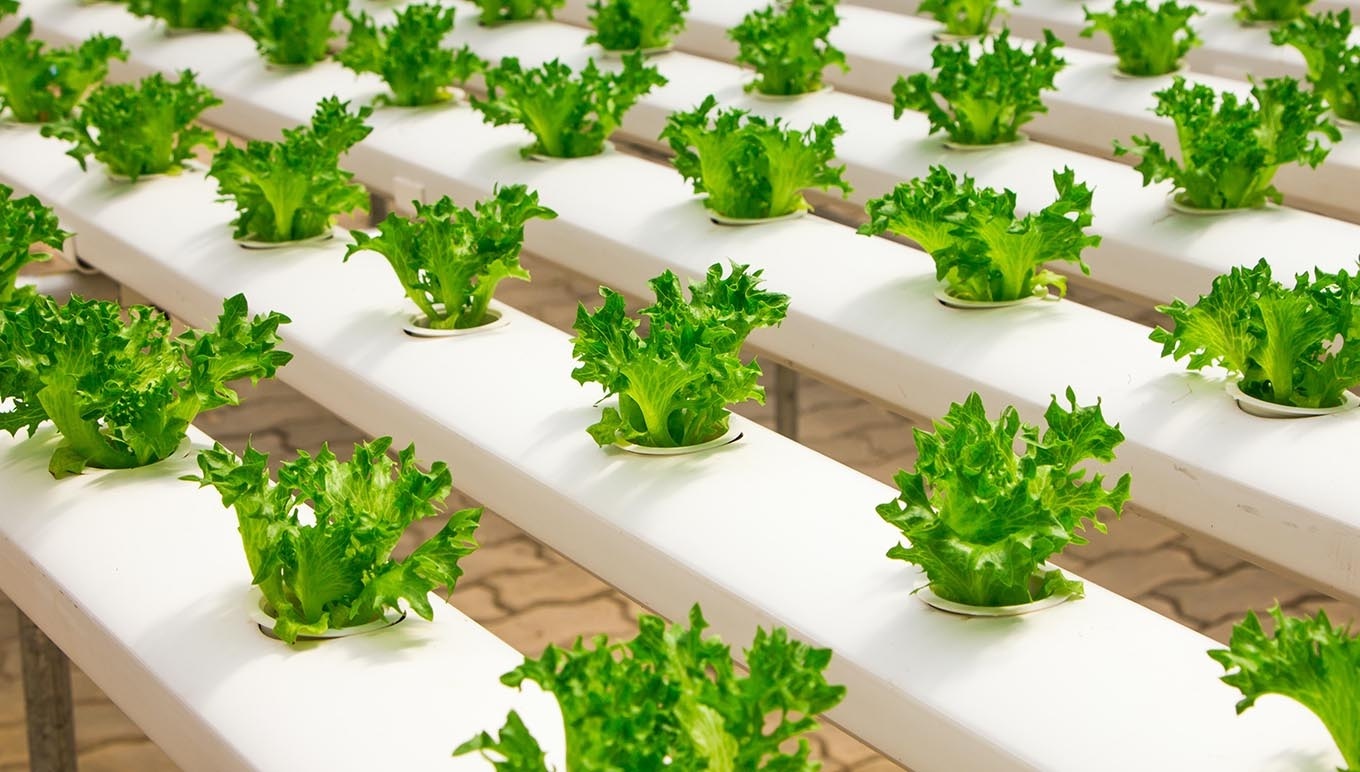
Buy hydroponics system online Nigeria
Buy hydroponics system online Nigeria
Hydroponic farming is becoming an increasingly attractive option for Nigerian farmers, agribusiness investors, greenhouse operators, schools, agricultural institutions, and urban growers who want to produce crops using controlled water and nutrient systems rather than relying entirely on traditional soil-based cultivation.
If you are searching for where to buy a hydroponics system online in Nigeria, it is important to look beyond the equipment itself. A successful hydroponic farm requires the right growing system, water management, nutrient delivery, pumps, growing media where applicable, lighting or environmental controls for certain applications, and proper technical guidance.
Irrigrow Civil & Engineering Ltd provides greenhouse construction, irrigation systems, fertigation, agricultural engineering, farm water infrastructure, and hydroponic greenhouse solutions for modern agricultural projects in Nigeria. Irrigrow’s greenhouse services include hydroponic greenhouse systems as well as drip irrigation, fertigation, water infrastructure, and agricultural engineering.
Whether you are starting a small hydroponic garden, setting up a commercial vegetable farm, developing a greenhouse hydroponics project, or looking for a customized agricultural system, Irrigrow can help you plan the infrastructure required for your project.
What Is a Hydroponics System?
A hydroponics system is a method of growing plants without conventional soil. Instead of obtaining nutrients from soil, plants receive water and dissolved nutrients through a controlled growing system.
Depending on the hydroponic technique, plants may grow in:
- Nutrient solution
- Coco coir
- Perlite
- Rockwool
- Clay pebbles
- Other inert growing media
The roots receive water, oxygen, and nutrients in carefully managed quantities.
Hydroponics can be used for crops such as:
- Lettuce
- Spinach
- Basil
- Mint
- Coriander
- Tomatoes
- Cucumbers
- Peppers
- Strawberries
- Other vegetables and herbs
The appropriate system depends on the crop, available space, budget, environmental conditions, and production objectives.
Buy Hydroponics System Online in Nigeria
When buying a hydroponics system online, farmers should determine exactly what they need before placing an order.
A basic hydroponic setup may require:
- Growing channels or containers
- Reservoir
- Water pump
- Air pump where required
- Net pots
- Growing media
- Nutrient solution
- Pipes and fittings
- pH meter
- EC or TDS meter
- Timers or controllers
- Plant supports
A commercial hydroponic farm may require significantly more infrastructure, including greenhouse structures, water filtration, fertigation, pumps, reservoirs, environmental controls, backup power, drainage, and monitoring systems.
Irrigrow provides broader agricultural infrastructure rather than only individual components, including greenhouse construction, irrigation, fertigation, water storage, pumping systems, filtration, and agricultural engineering.
Hydroponic Systems Available in Nigeria
Different hydroponic systems are suitable for different crops and production models.
NFT Hydroponic System
NFT means Nutrient Film Technique.
In an NFT system, a thin film of nutrient solution flows through growing channels while plant roots remain exposed to the nutrient-rich water.
NFT is particularly popular for leafy vegetables and herbs.
Potential crops include:
- Lettuce
- Spinach
- Basil
- Mint
- Coriander
- Other leafy greens
NFT systems can be designed for small farms, commercial greenhouses, schools, restaurants, and urban agriculture projects.
Deep Water Culture
Deep Water Culture, commonly called DWC, places plant roots in nutrient-rich water.
An air pump and air stones are generally used to provide oxygen to the root environment.
DWC can be useful for:
- Lettuce
- Herbs
- Leafy vegetables
- Educational hydroponics projects
The system can be relatively simple for beginners while still providing an introduction to commercial soilless cultivation.
Dutch Bucket Hydroponics
Dutch bucket systems are particularly useful for larger plants.
They can be used for:
- Tomatoes
- Cucumbers
- Peppers
- Melons
- Other fruiting crops
Plants grow in individual containers filled with an appropriate growing medium, while nutrient solution is delivered to the root zone.
The drainage can be collected and, depending on the system design, recirculated.
Drip Hydroponics
Drip hydroponics uses controlled emitters to deliver nutrient solution to individual plants.
This system can be particularly useful for greenhouse production.
Irrigrow already provides drip irrigation and fertigation infrastructure that can be integrated into protected agriculture projects.
Vertical Hydroponic Systems
Vertical hydroponics uses vertical structures to maximize production within limited space.
It can be useful for:
- Urban farming
- Indoor farming
- Restaurants
- Schools
- Small commercial farms
- Demonstration farms
Vertical systems can be configured with NFT channels, towers, or other growing arrangements.
Hydroponics System for Greenhouse Farming
Hydroponics and greenhouse farming can work together to create a controlled production environment.
A hydroponic greenhouse may combine:
Greenhouse + Hydroponic System + Irrigation + Fertigation + Water Storage + Filtration + Ventilation + Crop Support
This type of integrated setup can provide greater control over crop production.
Irrigrow provides greenhouse systems suitable for hydroponic applications and can integrate greenhouse structures with irrigation and fertigation infrastructure.
Its current 8m × 24m greenhouse, for example, is designed for commercial and semi-commercial agriculture and is compatible with drip irrigation and fertigation systems.
Hydroponics System for Lettuce
Lettuce is one of the crops commonly associated with hydroponic farming.
It can be grown using:
- NFT
- DWC
- Vertical systems
- Media-based systems
Lettuce has relatively short production cycles compared with many fruiting crops, making it attractive for commercial hydroponic production.
A lettuce hydroponic farm may require:
- Growing channels
- Reservoir
- Water pump
- Nutrient solution
- Net pots
- pH meter
- EC meter
- Nursery area
- Harvesting area
Hydroponics System for Tomatoes
Tomatoes require a more substantial hydroponic setup than many leafy vegetables.
Commercial tomato hydroponics may use:
- Dutch buckets
- Coco coir bags
- Drip irrigation
- Fertigation
- Trellising
- Reservoirs
- Nutrient dosing
- Drainage
- Greenhouse environmental control
Irrigrow can integrate greenhouse construction with irrigation and fertigation infrastructure for commercial tomato production.
Hydroponics System for Cucumber
Cucumber plants can also be cultivated using hydroponic methods.
Because cucumber plants grow vigorously, the system should provide:
- Adequate root space
- Consistent water supply
- Nutrient management
- Proper drainage
- Crop support
- Trellising
- Adequate greenhouse ventilation
A drip-based media system or Dutch bucket configuration may be considered depending on the production model.
Hydroponics System for Pepper
Bell peppers, chili peppers, and other pepper varieties can be cultivated using controlled hydroponic systems.
A commercial pepper hydroponic system may combine:
- Greenhouse
- Growing bags or containers
- Drip irrigation
- Fertigation
- Water filtration
- Nutrient reservoir
- Crop support
- Environmental management
Hydroponics for Leafy Vegetables
Hydroponic systems can be particularly attractive for leafy vegetables because they can be grown in relatively compact systems.
Potential crops include:
- Lettuce
- Spinach
- Kale
- Basil
- Mint
- Parsley
- Coriander
- Arugula
For urban farmers and small commercial growers, vertical and NFT systems can provide opportunities to maximize available growing space.
Hydroponics for Commercial Farming
Commercial hydroponics requires more planning than purchasing a small home hydroponic kit.
A commercial project may include:
- Greenhouse structures
- Hydroponic growing systems
- Water reservoirs
- Pumps
- Filtration
- Nutrient dosing
- Irrigation
- Fertigation
- Environmental control
- Backup power
- Nursery
- Harvesting area
- Packing area
- Cold storage
Irrigrow’s agricultural engineering services include farm layout planning, greenhouse planning, irrigation design, drainage, water infrastructure, and agricultural infrastructure construction.
Hydroponic Farm Water System
Water quality is extremely important in hydroponics.
Unlike traditional soil farming, the plant’s root environment is directly affected by the water and nutrient solution supplied to the system.
Important water parameters can include:
- pH
- Electrical conductivity
- Total dissolved solids
- Temperature
- Salinity
- Mineral content
Water should be tested before establishing a commercial hydroponic system.
Where necessary, water treatment and filtration can be incorporated into the farm infrastructure.
Hydroponic Nutrient Management
Plants grown hydroponically depend on properly prepared nutrient solutions.
Nutrients generally include major elements such as:
- Nitrogen
- Phosphorus
- Potassium
- Calcium
- Magnesium
- Sulfur
They also require micronutrients.
The exact nutrient formulation depends on the crop and production stage.
A commercial hydroponic system may therefore require:
- Nutrient tanks
- Dosing equipment
- Measuring instruments
- pH adjustment
- EC monitoring
- Irrigation pumps
- Filtration
Farmers should follow crop-specific nutrient recommendations rather than applying fertilizer randomly.
pH and EC Monitoring
Two important measurements in hydroponic farming are pH and electrical conductivity.
pH helps determine the acidity or alkalinity of the nutrient solution.
EC provides an indication of the concentration of dissolved salts in the solution.
Regular monitoring helps growers identify changes in nutrient concentration and water chemistry.
For anyone purchasing a hydroponic system online, a good quality pH and EC meter can be an important addition to the equipment list.
Hydroponic System Components
Before buying a system, understand what is included.
Depending on the system, components can include:
Growing Channels
These hold plants and direct nutrient solution around the roots.
Reservoir
The reservoir stores water and nutrient solution.
Pump
The pump moves water through the system.
Air Pump
Some hydroponic systems require an air pump to oxygenate the water.
Net Pots
Net pots support plants while allowing roots to access water or nutrient solution.
Growing Media
Media-based systems may use coco coir, perlite, clay pebbles, or similar materials.
Nutrient Solution
Plants require appropriate nutrients for healthy growth.
Filters
Filtration helps protect pumps and irrigation components from particles.
Pipes and Fittings
These connect the different components of the hydroponic system.
Timers and Controllers
Automation can control pumps and irrigation cycles.
How to Choose a Hydroponics System Online in Nigeria
Do not choose a hydroponic system based only on price.
Consider the following factors.
1. Crop Type
Determine what you want to grow.
An NFT system suitable for lettuce may not be the best choice for commercial tomatoes.
2. Number of Plants
Calculate the number of plants you want to cultivate.
A 30-plant system has very different requirements from a commercial farm with thousands of plants.
3. Available Space
Measure the available area.
Consider:
- Length
- Width
- Height
- Access
- Water source
- Electricity
- Drainage
4. Water Availability
Make sure there is a reliable source of suitable-quality water.
5. Electricity
Pumps and automated systems require power.
Where electricity is unreliable, consider:
- Solar power
- Battery backup
- Generator backup
- Water storage
6. Technical Support
Choose a supplier that can provide guidance on installation and operation.
7. Spare Parts
Ask whether replacement pumps, fittings, pipes, emitters, channels, and other components are readily available.
8. Scalability
If you intend to expand, choose a system that can be extended.
Buy Hydroponics System Online for Beginners
Beginners should generally start with a system they can understand and manage.
A small system can be used to learn:
- Seed germination
- Transplanting
- Nutrient mixing
- pH management
- EC monitoring
- Pump operation
- Root management
- Harvesting
Once the farmer understands the fundamentals, the operation can be expanded.
There are also ready-to-buy hydroponic systems available in Nigeria. For example, a Nigerian hydroponics retailer currently lists standalone systems for 30 and 60 plants, with prices ranging from ₦165,000 to ₦265,000.
Commercial Hydroponics Systems in Nigeria
Commercial hydroponics is different from a household hydroponic garden.
A commercial farm may require hundreds or thousands of plants.
The infrastructure can include:
Water Source → Filtration → Reservoir → Nutrient Dosing → Pump → Hydroponic Growing System → Drainage/Recirculation
For greenhouse production, environmental systems can be added.
This can include:
- Ventilation
- Shade nets
- Cooling
- Fogging
- Crop-support systems
- Monitoring sensors
Irrigrow supplies greenhouse shade nets and other greenhouse infrastructure suitable for hydroponic and protected-agriculture applications.
Hydroponic Greenhouse Construction
If you want to establish a commercial hydroponic farm, purchasing a standalone hydroponic kit may not be sufficient.
You may need a complete greenhouse project.
Irrigrow provides greenhouse construction services including:
- Site assessment
- Greenhouse design
- Greenhouse construction
- Irrigation
- Fertigation
- Ventilation
- Technical support
The company’s greenhouse systems include tunnel, commercial, multi-span, nursery, hydroponic, and customized greenhouse structures.
Hydroponics System Cost in Nigeria
The price of hydroponic systems in Nigeria varies considerably.
Factors affecting the cost include:
- System type
- Number of plants
- Growing channels
- Reservoir size
- Pump capacity
- Nutrient dosing
- Greenhouse
- Automation
- Water filtration
- Growing media
- Sensors
- Installation
- Transportation
Small home and educational systems can cost significantly less than commercial greenhouse hydroponics projects.
For comparison, currently listed Nigerian hydroponic products include standalone 30- and 60-plant systems priced at ₦165,000–₦265,000, while imported NFT kits listed for Nigeria can cost around ₦127,277 before shipping and customs charges.
These prices illustrate why buyers should compare complete system specifications, not just advertised prices.
Is Hydroponics Profitable in Nigeria?
Hydroponics can be commercially viable, but profitability is not guaranteed.
The economics depend on:
- Crop
- Selling price
- Yield
- Electricity costs
- Water costs
- Nutrient costs
- Labour
- Greenhouse cost
- Equipment depreciation
- Maintenance
- Market demand
- Post-harvest losses
High-value crops and reliable markets can improve the economics of hydroponic production.
Before investing in a large system, conduct a proper feasibility study and identify your target customers.
Hydroponics for Urban Farming in Nigeria
Hydroponics can be useful for urban agriculture because it can produce crops in relatively limited spaces.
Potential locations include:
- Lagos
- Abuja
- Ibadan
- Port Harcourt
- Benin City
- Kano
- Kaduna
- Other urban areas
Small systems can be installed in:
- Backyards
- Rooftops
- Schools
- Restaurants
- Hotels
- Demonstration farms
- Community gardens
Hydroponics for Schools
Hydroponic systems can also be used as practical agricultural education tools.
Students can learn about:
- Plant biology
- Water management
- Nutrients
- Agriculture
- Environmental science
- Engineering
- Automation
- Sustainability
A small NFT or DWC system can serve as a practical demonstration unit.
Hydroponics for Restaurants and Hotels
Restaurants and hotels may use small hydroponic systems to grow fresh herbs and leafy vegetables.
Potential crops include:
- Basil
- Mint
- Lettuce
- Coriander
- Parsley
- Other culinary herbs
Producing selected herbs close to the point of consumption can be attractive where space and management resources are available.
Hydroponics and Greenhouse Irrigation
Hydroponics and irrigation engineering overlap significantly.
A commercial hydroponic greenhouse requires carefully controlled water movement.
Irrigrow provides drip irrigation systems, fertigation, water storage, pumping systems, filtration, and agricultural water infrastructure that can support protected agriculture.
This makes it possible to approach a hydroponic project as a complete agricultural engineering project rather than purchasing disconnected equipment.
Hydroponics and Solar Power
Power availability is an important consideration when buying a hydroponic system in Nigeria.
Pumps may need to operate continuously or according to scheduled cycles.
A commercial system can therefore incorporate:
- Solar panels
- Inverter
- Batteries
- Pump controllers
- Backup generator
- Water storage
Water storage can also provide additional resilience if power interruptions occur.
Hydroponic System Installation in Nigeria
Buying the equipment is only one stage of establishing a hydroponic farm.
Professional installation can include:
- Site assessment
- System selection
- Layout design
- Reservoir installation
- Pump installation
- Growing-system installation
- Pipe connections
- Nutrient-system installation
- Testing
- Commissioning
- Operator training
For commercial projects, installation should be completed according to the manufacturer’s specifications and the crop-production plan.
Hydroponic System Maintenance
Hydroponic systems require regular maintenance.
Maintenance can include:
- Cleaning reservoirs
- Checking pumps
- Cleaning filters
- Inspecting pipes
- Checking leaks
- Cleaning growing channels
- Monitoring pH
- Monitoring EC
- Checking roots
- Replacing damaged components
- Cleaning nutrient tanks
Poor maintenance can result in pump failure, algae growth, clogged systems, nutrient imbalance, and crop losses.
Why Buy Hydroponics Equipment from a Professional Agricultural Company?
When buying a hydroponics system online, technical support is important.
A supplier with agricultural engineering capabilities can help you consider:
- Farm layout
- Water source
- Irrigation
- Greenhouse
- Fertigation
- Drainage
- Power
- Crop selection
- Expansion
Irrigrow provides agricultural engineering, greenhouse planning, irrigation design, drainage systems, farm development, water infrastructure, and related services.
Buy Hydroponics System Online Nigeria from Irrigrow
If you are planning a hydroponic project in Nigeria, Irrigrow Civil & Engineering can help you develop the supporting infrastructure required for modern soilless agriculture.
Our services include:
- Hydroponic greenhouse construction
- Greenhouse design
- Drip irrigation
- Fertigation
- Water storage
- Pumping systems
- Filtration
- Agricultural water infrastructure
- Farm layout
- Drainage
- Agricultural engineering
- Greenhouse accessories
Irrigrow’s greenhouse services specifically include hydroponic greenhouse structures, while its irrigation services include drip, sprinkler, fertigation, water infrastructure, and related agricultural systems.
Hydroponics System Delivery Across Nigeria
Farmers can require hydroponic and greenhouse solutions in different parts of Nigeria.
Irrigrow provides agricultural equipment and project support in locations including:
- Lagos
- Ibadan
- Abuja
- Port Harcourt
- Kano
- Kaduna
- Abeokuta
- Akure
- Ado-Ekiti
- Osogbo
- Ilorin
- Benin City
- Oyo State
- Ogun State
- Osun State
- Ekiti State
- Ondo State
- Kwara State
Its irrigation equipment services currently advertise nationwide delivery and support.
Frequently Asked Questions
Where can I buy a hydroponics system online in Nigeria?
You can purchase hydroponic equipment and systems from Nigerian agricultural suppliers and online retailers. For commercial projects, Irrigrow can help with greenhouse, irrigation, fertigation, water infrastructure, and hydroponic greenhouse development.
How much is a hydroponics system in Nigeria?
The price depends on the system type and capacity. Small systems can cost hundreds of thousands of naira, while commercial greenhouse hydroponic projects can cost substantially more.
Which hydroponic system is best for beginners?
NFT and DWC systems are commonly considered accessible options for beginners, particularly for leafy vegetables. The right choice depends on your crop and production goals.
Can I grow tomatoes using hydroponics?
Yes. Tomatoes can be cultivated hydroponically, commonly using systems such as Dutch buckets or media-based drip systems.
Can hydroponics be done without a greenhouse?
Yes. Hydroponics does not inherently require a greenhouse. However, a greenhouse can provide additional protection and environmental control for commercial production.
Can I use solar power for hydroponics?
Yes. Solar power can operate pumps and other equipment, particularly when combined with suitable energy storage and water storage.
Does hydroponics require fertilizer?
Yes. Hydroponically grown plants generally receive essential nutrients through the water or nutrient solution rather than relying on soil.
Do I need a water pump?
Many hydroponic systems require pumps, although the exact requirements depend on the system design.
Can Irrigrow build a hydroponic greenhouse?
Yes. Irrigrow lists hydroponic greenhouses among its greenhouse construction services and can integrate greenhouse infrastructure with irrigation and fertigation systems.
Can you design a commercial hydroponic farm?
Yes. Commercial projects can be planned around greenhouse size, crop type, water source, irrigation, fertigation, drainage, power, and future expansion.
Start Your Hydroponics Project in Nigeria
Hydroponic farming offers Nigerian farmers an opportunity to explore controlled-environment agriculture, efficient water management, and high-value crop production. However, the success of a hydroponic project depends on selecting the appropriate system and properly managing water, nutrients, crops, power, and the growing environment.
If you are searching for buy hydroponics system online Nigeria, do not focus only on finding the cheapest kit. Consider the number of plants, crop type, available space, water quality, electricity, nutrient management, technical support, installation, and future expansion.
Irrigrow Civil & Engineering Ltd can support your transition into modern agriculture through hydroponic greenhouse construction, irrigation, fertigation, water infrastructure, greenhouse systems, agricultural engineering, and farm development solutions.
Whether you need a small hydroponic setup, a greenhouse hydroponic system, an NFT system, a commercial vegetable production facility, or a complete agricultural project, contact Irrigrow to discuss your requirements and obtain a project-specific quotation.
Buy hydroponics system online Nigeria
Start your hydroponic farming project in Nigeria with the right system, the right infrastructure, and the right agricultural engineering support.

Share options