
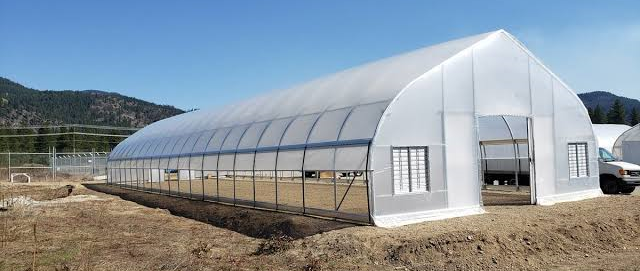
Agricultural irrigation company in Nigeria
Agricultural irrigation company in Nigeria
Modern agriculture in Nigeria increasingly depends on reliable water management. Rainfall alone cannot always provide the consistency required for commercial crop production, particularly during dry seasons or in areas where rainfall patterns are unpredictable. For farmers seeking higher productivity, better water management, and more reliable year-round production, a professionally designed agricultural irrigation system can make a significant difference.
Irrigrow Civil & Engineering Ltd is an agricultural irrigation company in Nigeria providing irrigation design, installation, farm water infrastructure, drip irrigation, sprinkler irrigation, fertigation, greenhouse irrigation, pumping systems, water storage, borehole integration, drainage, and agricultural engineering services.
Irrigrow’s agricultural irrigation services include precision drip irrigation, sprinkler systems, fertigation, farm water infrastructure, irrigation design, greenhouse planning, drainage, and commercial farm development.
Our goal is to help farmers and agricultural investors develop irrigation systems that deliver water efficiently, support healthy crop growth, reduce unnecessary water losses, and improve the overall performance of agricultural operations.
What Is Agricultural Irrigation?
Agricultural irrigation is the controlled application of water to crops when natural rainfall is insufficient or unreliable.
An irrigation system can obtain water from sources such as:
- Boreholes
- Rivers
- Streams
- Dams
- Reservoirs
- Wells
- Storage tanks
- Surface-water sources
- Other approved agricultural water sources
The water is then transported through pipes, pumps, valves, filters, and distribution equipment before being delivered to crops.
The appropriate irrigation method depends on the farm’s size, crop type, soil, terrain, water source, available energy, budget, and production objectives.
Agricultural Irrigation Company in Nigeria
Irrigrow Civil & Engineering provides agricultural irrigation solutions for small farms, commercial farms, greenhouse operations, orchards, vegetable farms, plantations, nurseries, and larger agricultural developments.
Our irrigation services can include:
- Irrigation system design
- Drip irrigation
- Sprinkler irrigation
- Micro-irrigation
- Greenhouse irrigation
- Fertigation
- Borehole integration
- Water storage
- Pumping systems
- Filtration
- Irrigation automation
- Solar-powered irrigation
- Farm water distribution
- Irrigation maintenance
- Irrigation system upgrades
- Agricultural drainage
We approach irrigation as an engineering project rather than simply supplying irrigation equipment. Site conditions, crop requirements, water availability, pressure, pipe sizing, and irrigation layout are considered before the system is installed.
Why Agricultural Irrigation Is Important in Nigeria
Nigeria has enormous agricultural potential, but farmers face challenges associated with rainfall variability, dry seasons, water availability, and changing climatic conditions.
Reliable irrigation can help farmers maintain production when rainfall is inadequate.
It can provide several benefits:
- More consistent water supply
- Improved crop growth
- Better water management
- Reduced dependence on rainfall
- Extended production seasons
- Improved crop quality
- More predictable farm operations
- Potential for dry-season farming
- More efficient fertilizer application through fertigation
The importance of irrigation for Nigerian agriculture is also recognized by agricultural development organizations. The FAO has promoted drip irrigation in Nigeria as a way of improving food production and water and land productivity.
Agricultural Irrigation System Design
A good irrigation system begins with proper design.
Before installation, Irrigrow can assess:
- Farm size
- Crop type
- Crop spacing
- Soil characteristics
- Land topography
- Water source
- Water quality
- Required flow rate
- Pumping requirements
- Pipe distances
- Irrigation zones
- Available electricity
- Solar-power options
- Storage requirements
- Drainage
The information is used to develop an irrigation system suited to the farm.
Drip Irrigation Systems in Nigeria
Drip irrigation is an efficient method of delivering water directly to the root zone of crops.
Instead of distributing water across the entire field, the system uses drip lines and emitters to release controlled quantities of water close to individual plants.
A typical drip irrigation system may consist of:
Water Source → Pump → Storage Tank → Filter → Fertigation → Mainline → Sub-mainline → Valves → Drip Lines → Emitters
Irrigrow provides drip irrigation systems for agricultural farms and greenhouse projects across Nigeria. The company’s current irrigation offering includes equipment, technical support, installation guidance, and agricultural engineering services.
Benefits of Drip Irrigation
Drip irrigation can be particularly useful for vegetable and high-value crop production.
Potential benefits include:
- Precise water delivery
- Reduced water wastage
- Lower surface runoff
- Reduced evaporation losses
- Improved root-zone moisture management
- Easier fertigation
- Reduced labour requirements
- Better control over irrigation schedules
The actual efficiency and savings depend on system design, maintenance, water quality, crop, soil, and operating practices.
Sprinkler Irrigation Systems
Sprinkler irrigation distributes water through pressurized sprinklers that apply water over an area.
Sprinkler systems can be suitable for:
- Vegetables
- Pasture
- Lawns
- Nurseries
- Orchards
- Field crops
- Certain plantation crops
- Agricultural estates
Irrigrow provides sprinkler irrigation as part of its agricultural irrigation services.
Sprinkler systems can be designed as fixed, portable, semi-mobile, or automated systems depending on the farm’s requirements.
Micro-Irrigation Systems
Micro-irrigation systems provide water at relatively low application rates to specific crop areas.
They can include:
- Drippers
- Micro-sprinklers
- Bubblers
- Micro-jets
These systems can be useful for orchards, nurseries, vegetables, landscaping, and other agricultural applications.
Irrigation for Vegetable Farming
Vegetable farming requires consistent access to water, particularly during periods of limited rainfall.
Irrigrow can design irrigation systems for crops such as:
- Tomatoes
- Cucumbers
- Peppers
- Onions
- Lettuce
- Cabbage
- Carrots
- Okra
- Watermelon
- Melons
- Leafy vegetables
- Herbs
The irrigation layout should be designed according to crop spacing, water requirements, planting pattern, and farm size.
Irrigation for Tomato Farming
Tomatoes can benefit from controlled irrigation because inconsistent water availability can affect plant development and crop quality.
A tomato irrigation system may include:
- Drip lines
- Filters
- Pressure regulators
- Fertigation
- Irrigation valves
- Water storage
- Pumping system
For larger tomato farms, multiple irrigation zones can be created to improve management.
Irrigation for Cucumber Farming
Cucumber production can require regular irrigation, especially during active growth and fruit development.
A cucumber farm irrigation system can include:
- Drip irrigation
- Fertigation
- Water storage
- Filtration
- Pressure control
- Irrigation zones
- Automated irrigation
The irrigation design should correspond to the crop’s spacing and production system.
Irrigation for Pepper Farming
Pepper production can also be supported by precision irrigation.
Irrigrow can design irrigation systems for:
- Bell peppers
- Scotch bonnet
- Chili peppers
- Other commercial pepper varieties
Drip irrigation can deliver water close to the plant root zone while allowing fertilizer to be introduced through fertigation where appropriate.
Irrigation for Onion Farming
Onions require careful water management because both insufficient and excessive water can affect production.
An irrigation design for onions should consider:
- Soil type
- Plant spacing
- Field size
- Water source
- Irrigation frequency
- Distribution uniformity
- Drainage
Drip or sprinkler systems may be considered depending on the farm’s specific requirements.
Irrigation for Maize Farming
Large-scale maize production can require irrigation systems capable of covering substantial areas.
Depending on the farm size and terrain, possible solutions include:
- Sprinkler irrigation
- Center-pivot irrigation
- Rain-gun irrigation
- Drip irrigation
- Other mechanized irrigation systems
The irrigation method should be selected based on the farm’s production model and economics.
Irrigation for Orchards
Orchards require irrigation systems designed around permanent crop spacing.
Irrigation for orchards can be designed for crops such as:
- Citrus
- Mango
- Avocado
- Guava
- Pawpaw
- Cashew
- Other fruit trees
Drip irrigation and micro-sprinklers are among the systems that can be considered.
Greenhouse Irrigation in Nigeria
Greenhouse farming requires carefully controlled water application.
Irrigrow provides greenhouse irrigation systems that can be integrated with greenhouse construction, fertigation, water storage, filtration, and pumping systems.
A greenhouse irrigation project may include:
- Drip lines
- Fertigation
- Water tanks
- Pumps
- Filters
- Pressure regulators
- Valves
- Irrigation controllers
- Sensors
The system should be designed according to greenhouse dimensions, crop type, plant population, growing medium, and production method.
Fertigation Systems
Fertigation involves applying nutrients through an irrigation system.
Instead of manually applying fertilizer around individual plants, nutrients can be introduced into the irrigation network in a controlled manner.
A fertigation system may include:
- Fertilizer tanks
- Injection pumps
- Venturi injectors
- Mixing tanks
- Filters
- Valves
- Flow meters
- Controllers
Irrigrow provides fertigation systems integrated with agricultural irrigation networks.
Borehole Irrigation Systems
A reliable water source is essential for many irrigation projects.
Where groundwater is suitable, a borehole can provide water for agricultural irrigation.
A typical borehole irrigation system can include:
Borehole → Submersible Pump → Storage Tank/Reservoir → Filtration → Irrigation Network
Irrigrow can integrate borehole water supply with irrigation infrastructure, including water storage, pumping, filtration, and distribution.
Before a borehole is used for commercial irrigation, water yield and water quality should be assessed.
Agricultural Water Storage
Water storage can provide a buffer between water production and crop irrigation.
Storage options can include:
- Polyethylene tanks
- Concrete reservoirs
- Steel tanks
- Elevated tanks
- Ground-level reservoirs
- Farm ponds
The required storage capacity depends on:
- Farm size
- Crop water demand
- Irrigation schedule
- Water-source yield
- Pump capacity
- Available energy
- Desired reserve
Irrigation Pump Selection
The pump is one of the most important components of an irrigation system.
Pump selection should consider:
- Required flow rate
- Total head
- Pressure requirements
- Pipe length
- Elevation
- Irrigation zones
- Filter losses
- Emitter requirements
- Sprinkler requirements
An undersized pump may not provide adequate pressure, while an unnecessarily oversized pump may increase capital and operating costs.
Irrigrow can assess the irrigation requirements and recommend an appropriate pumping configuration.
Irrigation Filtration
Filtration helps protect irrigation equipment from particles that can block emitters, valves, and pipes.
Depending on water quality, an agricultural irrigation system may require:
- Screen filters
- Disc filters
- Sand-media filters
- Sediment filtration
- Water-treatment systems
Filter selection should be based on the water source and irrigation system requirements.
Solar-Powered Agricultural Irrigation
Solar-powered irrigation can be an option for farms that need an alternative source of energy for pumping.
A solar irrigation system can include:
- Solar panels
- Solar pump
- Pump controller
- Borehole
- Storage tank
- Water distribution network
- Mounting structure
- Electrical protection
Solar pumping can be particularly useful where grid electricity is unreliable or unavailable.
The solar system should be sized according to pump requirements and water demand.
Smart Irrigation Systems
Technology can be incorporated into modern agricultural irrigation systems to improve monitoring and control.
A smart irrigation system may use:
- Soil-moisture sensors
- Flow meters
- Pressure sensors
- Water-level sensors
- Weather information
- Irrigation controllers
- Automated valves
- Remote monitoring
Automation can help farmers manage irrigation schedules and reduce unnecessary manual intervention.
Agricultural Irrigation for Large Farms
Large farms require more complex irrigation infrastructure than small farms.
A commercial irrigation project may include:
- Central pumping stations
- Large reservoirs
- Multiple water sources
- Main distribution pipelines
- Multiple irrigation zones
- Automated valves
- Filtration
- Fertigation
- Pressure-control systems
- Solar pumping
- Monitoring systems
For very large farms, center-pivot and other mechanized irrigation systems may be considered.
Center-Pivot Irrigation
Center-pivot irrigation uses a rotating irrigation structure that distributes water across a circular field.
It can be considered for large-scale agricultural production where the land, crop, water supply, and farm economics are suitable.
Potential applications include:
- Maize
- Wheat
- Rice
- Vegetables
- Pasture
- Other field crops
The design requires careful consideration of water availability, field dimensions, pumping requirements, soil, terrain, and crop needs.
Irrigation System for One Acre Farm
Small farms can also benefit from properly designed irrigation.
A one-acre farm irrigation system may include:
- Water source
- Pump
- Storage tank
- Filter
- Mainline
- Sub-mainlines
- Drip lines
- Valves
- Fittings
The exact quantity of materials depends on crop spacing and field layout.
Irrigrow currently offers a 1-acre drip irrigation kit designed for agricultural and greenhouse applications, with support for crops including tomatoes, peppers, cucumbers, herbs, leafy vegetables, and nursery seedlings.
Irrigation for Five-Acre Farms
A five-acre farm requires a more detailed irrigation design than a small garden or one-acre plot.
The design should consider:
- Total field area
- Crop spacing
- Water demand
- Pump capacity
- Mainline size
- Irrigation zones
- Water storage
- Filtration
- Power source
For larger farms, irrigation zoning can help manage water demand and pumping requirements.
Irrigation for Ten-Acre Farms and Larger Projects
Large agricultural farms may require engineered water-distribution networks.
The project may involve:
- Boreholes
- Reservoirs
- Pump stations
- Large-diameter pipelines
- Drip irrigation
- Sprinklers
- Center pivots
- Automated valves
- Fertigation
- Solar pumping
- Drainage
Irrigrow can develop irrigation infrastructure as part of a larger agricultural engineering project.
Agricultural Irrigation Design Process
A professional irrigation project should begin with proper planning.
1. Site Assessment
We assess the farm location, terrain, accessibility, water source, existing infrastructure, and drainage.
2. Crop Assessment
The crop type, spacing, growth cycle, and irrigation requirements are considered.
3. Water-Source Assessment
The available water source is assessed for quantity and suitability.
4. Water-Requirement Calculation
The estimated irrigation demand is determined.
5. Hydraulic Design
Pipe sizes, pump capacity, pressure, flow rates, irrigation zones, and distribution systems are calculated.
6. Equipment Selection
Pumps, pipes, filters, valves, drip lines, sprinklers, tanks, fertigation systems, and controllers are selected.
7. Installation
The irrigation network is installed according to the approved design.
8. Testing
The system is tested for leaks, pressure, flow, and distribution.
9. Commissioning
The completed irrigation system is commissioned and the farm operator can receive operational guidance.
Irrigation Installation Services
Irrigrow provides installation support for agricultural irrigation systems.
Installation can involve:
- Water-source connection
- Pump installation
- Tank or reservoir construction
- Filtration installation
- Mainline installation
- Sub-mainline installation
- Valve installation
- Drip-line installation
- Sprinkler installation
- Fertigation installation
- Controller installation
- Testing and commissioning
The company’s irrigation services cover both agricultural and greenhouse applications.
Agricultural Irrigation Maintenance
Irrigation systems need regular maintenance to remain efficient.
Maintenance can include:
- Cleaning filters
- Flushing pipelines
- Checking emitters
- Inspecting sprinklers
- Checking pressure
- Checking pumps
- Repairing leaks
- Cleaning tanks
- Inspecting valves
- Checking fertigation equipment
- Replacing damaged components
Regular maintenance can help prevent unexpected irrigation failures during critical crop-growth periods.
Common Agricultural Irrigation Problems
Uneven Water Distribution
This can occur because of poor hydraulic design, incorrect pipe sizing, pressure differences, clogged emitters, or inadequate maintenance.
Clogged Drip Emitters
Sediment, algae, mineral deposits, and inadequate filtration can contribute to emitter blockage.
Low Water Pressure
Low pressure may result from an undersized pump, excessive pipe friction, leaks, elevation differences, or excessive demand on the system.
Waterlogging
Waterlogging can occur when irrigation exceeds crop requirements or drainage is inadequate.
Pump Failure
Poor pump selection, electrical problems, lack of maintenance, or dry running can cause pump problems.
Poor Irrigation Scheduling
Even a good irrigation system can perform poorly if the timing and duration of irrigation are not appropriate for the crop.
Agricultural Irrigation and Drainage
Irrigation and drainage should be planned together.
While irrigation provides water to crops, drainage removes excess water from the agricultural site.
Farm drainage may include:
- Open drains
- Concrete drains
- Perimeter drains
- Stormwater channels
- Culverts
- Collection drains
- Drainage outlets
Irrigrow provides drainage and agricultural civil engineering services alongside irrigation infrastructure, allowing water supply and water management to be addressed as part of a wider farm-development plan.
Agricultural Irrigation Cost in Nigeria
The cost of agricultural irrigation in Nigeria varies significantly depending on the farm and system.
Important cost factors include:
- Farm size
- Crop type
- Irrigation method
- Water source
- Pump capacity
- Pipe quantity
- Drip-line quantity
- Sprinkler quantity
- Filtration
- Water storage
- Fertigation
- Automation
- Solar power
- Borehole
- Terrain
- Installation labour
- Transportation
For example, Irrigrow currently lists a 1-acre drip irrigation kit at ₦450,000, but this should not be treated as the universal cost of irrigating one acre. A complete project may require additional equipment, site-specific hydraulic design, water storage, pumping, installation, and other infrastructure.
For commercial farms, Irrigrow can prepare a project-specific quotation based on the actual farm layout and irrigation requirements.
How Much Does Irrigation Cost Per Acre in Nigeria?
There is no single price for irrigation per acre.
The cost depends on whether the farmer requires:
- Drip irrigation
- Sprinkler irrigation
- Center pivot
- Water storage
- Borehole
- Solar pumping
- Fertigation
- Automation
- Installation
For an accurate estimate, the farm should be assessed and the irrigation layout designed before materials are priced.
Agricultural Irrigation BOQ
For commercial agricultural projects, Irrigrow can prepare an irrigation bill of quantities.
A BOQ may contain:
- Pumps
- Pipes
- Drip lines
- Sprinklers
- Filters
- Valves
- Fertigation equipment
- Storage tanks
- Reservoirs
- Controllers
- Pressure regulators
- Fittings
- Installation materials
- Labour
- Testing and commissioning
A detailed BOQ allows investors and farm owners to understand the infrastructure required before construction begins.
Why Choose Irrigrow Civil & Engineering?
Integrated Agricultural Engineering
Irrigrow combines irrigation with boreholes, water infrastructure, drainage, greenhouse construction, farm development, and civil engineering.
Site-Specific Irrigation Design
We do not recommend the same irrigation system for every farm. The system can be designed around the crop, water source, farm size, terrain, and production objectives.
Drip and Sprinkler Expertise
Our services include both drip and sprinkler irrigation systems for agricultural applications.
Water Infrastructure
Irrigation projects can be integrated with boreholes, pumps, storage tanks, filtration, reservoirs, and agricultural water distribution systems.
Commercial Farm Development
Irrigation can be integrated into larger farm-development projects involving roads, drainage, greenhouses, water infrastructure, and other agricultural facilities.
Technical Support
Irrigrow provides technical support and installation guidance for irrigation projects and equipment.
Agricultural Irrigation Company Serving Nigeria
Irrigrow provides irrigation and agricultural engineering support for projects across Nigeria, including:
- Lagos
- Ibadan
- Abuja
- Ogun State
- Oyo State
- Osun State
- Ondo State
- Ekiti State
- Kwara State
- Kaduna
- Kano
- Port Harcourt
- Benin City
- Akure
- Abeokuta
- Ilorin
- Other locations across Nigeria
The company’s current irrigation equipment and services are promoted for multiple Nigerian locations and states.
Irrigation for Dry-Season Farming
Dry-season farming is one of the major applications of agricultural irrigation.
A reliable irrigation system can allow farmers to maintain crop production when rainfall is limited.
Dry-season irrigation can support:
- Vegetables
- Tomatoes
- Peppers
- Cucumbers
- Onions
- Watermelon
- Maize
- Other crops
However, the irrigation system should be designed according to the actual water requirements of the crop and the sustainable yield of the water source.
Irrigation for Commercial Agriculture
Commercial agriculture requires reliable infrastructure.
A commercial irrigation project can combine:
Water Source + Pumping + Storage + Filtration + Irrigation + Fertigation + Automation + Drainage
This integrated approach can provide better control over farm water management.
For larger farms, Irrigrow can also coordinate irrigation infrastructure with farm roads, drainage, greenhouse structures, boreholes, and other civil engineering requirements.
Frequently Asked Questions
What does an agricultural irrigation company do?
An agricultural irrigation company designs, supplies, installs, tests, and maintains systems used to provide controlled water to crops.
Is Irrigrow an agricultural irrigation company in Nigeria?
Yes. Irrigrow Civil & Engineering provides agricultural irrigation, greenhouse irrigation, drip irrigation, sprinkler irrigation, fertigation, water infrastructure, and agricultural engineering services in Nigeria.
What irrigation system is best for Nigerian farms?
There is no single system that is best for every farm. Drip, sprinkler, micro-irrigation, and center-pivot systems can all be appropriate depending on the crop, farm size, terrain, water source, and budget.
Does Irrigrow install drip irrigation?
Yes. Irrigrow designs and installs drip irrigation systems and can integrate them with pumps, filtration, water storage, and fertigation.
Can Irrigrow install sprinkler irrigation?
Yes. Sprinkler irrigation is one of the irrigation solutions offered by Irrigrow.
Can irrigation be powered by solar energy?
Yes. Solar-powered pumping can be integrated into an agricultural irrigation project where appropriate.
Can irrigation be connected to a borehole?
Yes. Boreholes can be integrated with pumps, storage tanks, filtration, and irrigation networks.
Do you provide irrigation design?
Yes. Irrigrow provides farm layout and irrigation design as part of its agricultural engineering services.
Can you irrigate a one-acre farm?
Yes. Irrigrow supplies and supports irrigation systems suitable for one-acre agricultural projects. Its current 1-acre drip irrigation kit is listed at ₦450,000, although complete project costs depend on the site and required infrastructure.
Can you design irrigation for a greenhouse?
Yes. Greenhouse irrigation can be designed and integrated with drip irrigation, fertigation, water storage, filtration, pumps, and automation.
Do you handle large commercial farms?
Yes. Irrigation systems can be developed for small farms and larger commercial agricultural developments.
Build a Reliable Irrigation System for Your Farm
Agricultural irrigation is an important investment for farmers who want greater control over water supply and crop production. The right system can help reduce dependence on rainfall, improve water management, support dry-season production, and provide a more consistent growing environment.
Irrigrow Civil & Engineering Ltd is an agricultural irrigation company in Nigeria providing irrigation design, drip irrigation, sprinkler irrigation, fertigation, greenhouse irrigation, borehole integration, water storage, pumping systems, filtration, solar irrigation, drainage, and agricultural engineering services.
Whether you are developing a 1-acre vegetable farm, 5-acre farm, 10-acre commercial farm, greenhouse project, orchard, plantation, or large agricultural estate, Irrigrow can help you plan and develop the appropriate irrigation infrastructure.
From water source assessment and hydraulic design to equipment supply, installation, testing, and maintenance, our objective is to provide an irrigation system that is practical, efficient, and suited to the farm.
Agricultural irrigation company in Nigeria | Agricultural irrigation company in Nigeria | Agricultural irrigation company in Nigeria | Agricultural irrigation company in Nigeria
Contact Irrigrow Civil & Engineering today for agricultural irrigation design, site assessment, BOQ, installation, or a complete farm irrigation solution in Nigeria.
