
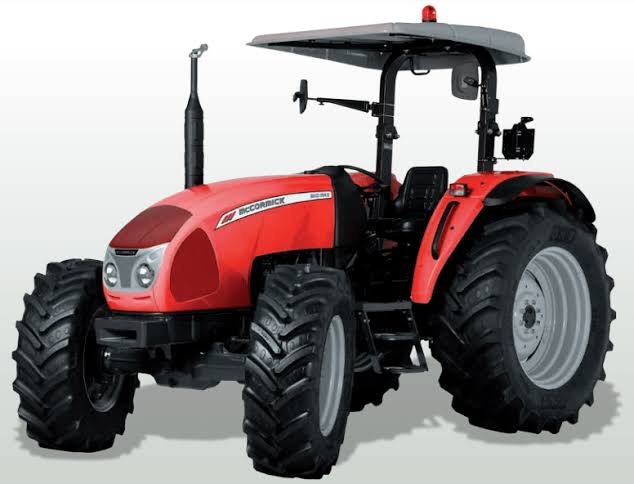
Agricultural tractor suppliers Nigeria
Agricultural tractors are essential machines for modern farming, helping farmers prepare land, cultivate soil, transport farm produce, operate agricultural implements, and manage large-scale agricultural projects more efficiently. For farmers looking for reliable agricultural tractor suppliers in Nigeria, choosing the right tractor can make a significant difference to productivity, operating costs, and long-term farm development.
Irrigrow Civil & Engineering Limited provides agricultural and engineering solutions designed to support farming, irrigation, and agricultural infrastructure development in Nigeria. Whether you are establishing a new farm, expanding an existing agricultural business, developing a plantation, or planning a mechanised farming operation, selecting suitable agricultural machinery is an important step towards achieving your production goals.
From land preparation and soil cultivation to farm transportation and irrigation-related operations, tractors play an important role in agricultural productivity. However, not every tractor is suitable for every farm. Factors such as farm size, soil type, terrain, crop type, horsepower, fuel consumption, implement compatibility, maintenance requirements, and budget should be considered before making a purchase.
If you are searching online for agricultural tractors for sale in Nigeria, farm tractors, tractor suppliers, or agricultural machinery for commercial farming, Irrigrow Civil & Engineering Limited can be a starting point for your equipment enquiry. Contact the company to confirm current tractor availability, specifications, pricing, delivery arrangements, and any additional services required for your project.
Agricultural Tractor Suppliers in Nigeria for Modern Farming
Agricultural tractor suppliers help farmers access the machinery required to improve land preparation, reduce manual labour, and support more organised farming operations. A suitable tractor can perform several tasks when connected to compatible implements, making it a valuable investment for small, medium-sized, and large agricultural enterprises.
In Nigeria, tractors are used in crop production, commercial agriculture, plantation management, land development, farm transportation, and other agricultural activities. They can help farmers prepare fields before planting, cultivate soil, establish ridges, pull trailers, and operate equipment designed for specific farming operations.
At Irrigrow Civil & Engineering Limited, our agricultural and engineering focus supports the development of productive farming environments through agricultural equipment, irrigation systems, greenhouse solutions, and related infrastructure services.
When searching for agricultural tractor suppliers in Nigeria, buyers should look beyond the initial purchase price. Equipment quality, suitability for local working conditions, availability of spare parts, service support, operator training, and the ability to obtain compatible implements are all important considerations.
A tractor selected according to the farm’s operational needs can support more consistent field operations and help farmers manage their resources more effectively.
What Is an Agricultural Tractor?
An agricultural tractor is a motorised vehicle designed primarily to provide pulling power, mechanical power, and mobility for farming operations. Unlike ordinary passenger vehicles, tractors are engineered to work with agricultural implements and operate in environments where soil conditions, uneven terrain, and heavy workloads may be common.
Depending on its design and configuration, an agricultural tractor can be used for:
- Ploughing and primary land preparation.
- Harrowing and soil cultivation.
- Ridging and bed preparation.
- Pulling trailers and transporting farm produce.
- Operating compatible planters and seed drills.
- Supporting fertiliser application and crop management.
- Mowing grass and managing vegetation.
- Operating rotary tillers and other soil-working implements.
- Supporting selected irrigation and farm maintenance operations.
The appropriate tractor depends on the tasks it will perform, the size of the farm, and the implements that will be attached to it.
Farmers should therefore identify their intended applications before selecting a tractor. A compact tractor suitable for a small vegetable farm may not be appropriate for heavy-duty land preparation across a large commercial plantation.
Types of Agricultural Tractors Available in Nigeria
Different farming operations require different tractor designs and power capacities. Understanding the major categories helps buyers compare options and choose machinery that meets their requirements.
1. Utility Agricultural Tractors
Utility tractors are versatile machines used for a broad range of everyday farming activities. They are commonly considered by farmers who require a machine for soil preparation, transportation, vegetation management, and operating compatible agricultural implements.
Depending on their specifications, utility tractors may support ploughs, harrows, trailers, mowers, sprayers, and other attachments.
They can be suitable for mixed farming, crop production, livestock farms, and general agricultural operations where versatility is important.
2. Compact Tractors
Compact tractors are smaller machines designed for applications where space, manoeuvrability, and operating flexibility are important.
They may be considered for vegetable farming, orchards, nurseries, greenhouse surroundings, smallholdings, and selected landscaping or farm maintenance tasks.
Before purchasing a compact tractor, buyers should verify its horsepower, ground clearance, lifting capacity, turning radius, and compatibility with the intended implements.
3. Four-Wheel-Drive Tractors
Four-wheel-drive tractors deliver power to all four wheels and can provide improved traction in suitable operating conditions compared with comparable two-wheel-drive configurations.
They may be useful for farms with challenging terrain, heavier soil conditions, or demanding field operations. However, performance depends on the tractor’s design, tyres, weight distribution, ground conditions, and operating technique.
Farmers should assess their actual site conditions before deciding whether four-wheel drive is necessary.
4. Heavy-Duty Agricultural Tractors
Heavy-duty tractors are designed for more demanding farming operations, including large-scale land preparation, pulling substantial implements, and working across extensive agricultural areas.
Commercial farms, plantations, and agricultural contractors may consider these tractors where the workload justifies their higher operating and acquisition costs.
A buyer should evaluate engine power, transmission, hydraulic capacity, drawbar performance, implement requirements, fuel consumption, and maintenance support before selecting a heavy-duty model.
5. Orchard and Specialised Tractors
Some farms require tractors designed for specialised environments, such as orchards, vineyards, narrow crop rows, or locations with restricted working space.
These machines may have narrower dimensions or specialised configurations. Their suitability depends on crop spacing, canopy height, ground conditions, and the tasks they need to perform.
Farmers should provide their field layout and operational requirements when requesting quotations for specialised tractor models.
Agricultural Tractors for Sale in Nigeria
Farmers searching for agricultural tractors for sale in Nigeria should identify the type of machinery that best suits their intended use. A suitable purchase begins with an assessment of farm operations, equipment requirements, available budget, and expected workload.
Before placing an order, confirm the following details with the supplier:
- Tractor make and model.
- Engine horsepower and specifications.
- Transmission type and available gears.
- Two-wheel-drive or four-wheel-drive configuration.
- Hydraulic lifting capacity and connections.
- Power take-off (PTO) specifications, where applicable.
- Tyre type and suitability for the intended terrain.
- Compatibility with ploughs, harrows, planters, and other implements.
- Warranty conditions and maintenance requirements.
- Availability of replacement parts.
- Delivery arrangements and any commissioning requirements.
These details help buyers compare tractors based on performance and suitability rather than relying only on photographs or advertised prices.
Irrigrow Civil & Engineering Limited lists an agricultural tractor on its website. Prospective buyers should contact the company to confirm the currently available model, final price, specifications, and delivery conditions before making a purchasing decision.
How to Choose the Right Tractor for Your Farm
Selecting the right tractor requires a practical understanding of the farm and its operational objectives. The most expensive tractor is not necessarily the best option for every farmer, and a low-cost machine may become expensive if it cannot perform the required tasks efficiently.
Consider Your Farm Size
Farm size helps determine the tractor capacity and working configuration you may need. Small farms may prioritise manoeuvrability and versatility, while extensive commercial farms may require greater horsepower and the ability to operate wider or heavier implements.
However, farm size alone does not determine the correct tractor. Soil conditions, crop type, field layout, operating schedule, and the number of implements being used also matter.
Evaluate the Soil and Terrain
Nigerian farms operate under different soil and terrain conditions. Some fields may have relatively firm soil, while others may experience heavy clay, loose sandy conditions, uneven ground, or seasonal waterlogging.
Consider the soil’s working characteristics, slope, drainage, and seasonal accessibility when selecting a tractor.
A tractor that performs well on one farm may not be the best option for another location. A site assessment or professional equipment consultation can help identify relevant requirements.
Select the Appropriate Horsepower
Horsepower is an important factor when choosing agricultural tractors. It influences the types of implements a tractor may operate and the workloads it can support.
Smaller implements may work with lower-horsepower tractors, while heavy ploughs, larger tillage equipment, and demanding field operations may require more power.
Do not select horsepower based only on general recommendations. Check the power requirements of the actual implements and confirm the manufacturer’s specifications before purchasing.
Check Implement Compatibility
A tractor’s value increases when it can operate the implements required for the farm’s activities.
Common implements include ploughs, disc harrows, ridgers, cultivators, planters, seed drills, rotary tillers, trailers, and selected mowing equipment.
Compatibility may depend on the three-point linkage category, PTO speed, hydraulic connections, lifting capacity, tractor power, and implement weight.
Confirm these specifications before buying the tractor or purchasing attachments separately.
Consider Fuel Consumption and Operating Costs
Fuel consumption contributes to the total cost of tractor ownership. The actual amount used depends on engine design, workload, soil resistance, implement size, operating speed, maintenance condition, and operator practices.
Buyers should compare the expected operating costs of different models and estimate how frequently the tractor will be used.
A suitable tractor should provide the required performance without creating unnecessary fuel, maintenance, and operating expenses.
Verify Spare Parts and Maintenance Support
Routine servicing is necessary to keep agricultural machinery operating reliably. Before buying a tractor, ask about engine oil and filter requirements, air filters, fuel filters, hydraulic components, tyres, electrical parts, and other model-specific replacement items.
Also confirm whether qualified technicians and suitable diagnostic support are accessible.
A tractor that cannot be maintained conveniently may experience longer periods out of service, affecting planting schedules and other time-sensitive farm activities.
Agricultural Tractor Prices in Nigeria
The price of an agricultural tractor in Nigeria varies according to its make, model, horsepower, condition, features, configuration, and supplier. New tractors may have different prices from used or refurbished machines, while additional implements can increase the total investment.
For this reason, there is no single price that applies to every agricultural tractor.
Factors that may affect tractor prices include:
- Engine capacity and horsepower.
- Brand and country of manufacture.
- New, used, or refurbished condition.
- Two-wheel-drive or four-wheel-drive configuration.
- Transmission and hydraulic features.
- Tyres and additional equipment.
- Included implements and attachments.
- Importation, shipping, and logistics costs.
- Exchange-rate changes and applicable charges.
- Warranty and after-sales support.
- Delivery location and commissioning requirements.
When comparing quotations, ask whether the quoted amount covers the tractor only or includes additional implements, transportation, inspection, operator training, and other services.
A clear quotation should identify the model, specifications, condition, included accessories, warranty terms, delivery arrangements, and payment conditions.
For current agricultural tractor pricing from Irrigrow Civil & Engineering Limited, visit irrigrow.com.ng or contact the company directly for an updated quotation.
Agricultural Tractor Implements and Attachments
A tractor is often used together with implements designed to perform specific agricultural operations. Selecting suitable attachments can help farmers carry out more tasks with the same machine.
Ploughs
Ploughs are used for primary soil preparation, helping break and turn soil before subsequent field operations. The appropriate plough depends on tractor power, soil conditions, working depth, and field requirements.
Disc Harrows
Disc harrows help break soil clods, incorporate certain crop residues, and prepare a suitable seedbed after primary cultivation.
The size and configuration of the harrow should match the tractor’s capabilities and the soil conditions.
Ridgers
Ridgers are used to create raised rows or ridges for crops that benefit from this planting arrangement. They may be used in the production of selected root crops, tubers, vegetables, and other field crops.
Cultivators
Cultivators help loosen or manage soil between crop rows and can support selected weed-control operations. Their suitability depends on the crop spacing, soil conditions, and implement configuration.
Planters and Seed Drills
Planters and seed drills support more organised planting by placing seeds according to the equipment’s design and settings.
Buyers should check seed type, row spacing, planting depth, metering mechanism, and compatibility with the tractor.
Trailers
Agricultural trailers help transport farm inputs, harvested crops, tools, and other materials around the farm or between approved transport points.
Trailer capacity, braking arrangements, hitch compatibility, and safe loading practices should be considered before use.
Rotary Tillers and Mowers
Rotary tillers mechanically work the soil, while mowers are used for vegetation management. Both require appropriate tractor power and compatible connections.
Before buying an attachment, confirm that it is suitable for the tractor model and the intended task.
Agricultural Tractors for Different Farming Operations
Tractors for Maize Farming
Maize production can involve land preparation, ridging or seedbed formation, planting, crop maintenance, and transportation. A suitable tractor can operate compatible implements for several of these activities.
The required tractor size depends on the farm’s area, soil, planting system, and implement requirements.
Tractors for Cassava Farming
Cassava farming may require substantial land preparation, ridge formation, weed management, and transportation of planting materials or harvested roots.
Farmers should select equipment based on the soil, ridge dimensions, field layout, and operational needs. Not every tractor or attachment is suitable for every cassava production system.
Tractors for Rice Farming
Rice cultivation requirements vary between upland and lowland systems. Certain wetland environments require specialised machinery and operating methods.
Farmers should confirm that the tractor’s design, tyres, traction, and operating configuration are suitable for the intended field conditions. Ordinary field tractors should not automatically be assumed suitable for all flooded or soft-soil environments.
Tractors for Plantain and Banana Plantations
Commercial plantain and banana farms may use tractors for selected land preparation, transportation, vegetation management, and maintenance tasks.
Plantation spacing and root-zone conditions are important considerations. Large tractors may not be suitable for narrow plantation rows or wet ground, so buyers should assess access routes and crop spacing before purchasing.
Tractors for Vegetable Farming
Vegetable farms may benefit from compact or utility tractors when their dimensions and implement compatibility suit the production layout.
Tasks may include bed preparation, soil cultivation, transportation, and selected vegetation-management activities. The tractor must be appropriate for crop-row spacing and the level of precision required.
Tractors for Large Commercial Farms
Large farms may require machinery capable of covering substantial field areas within defined operational periods.
Equipment selection should account for daily workload, the number of tractors required, implement capacity, fuel availability, maintenance arrangements, operator skills, and the consequences of machinery downtime.
A planned mechanisation strategy can help commercial farms coordinate equipment purchases with their production schedules.
Agricultural Tractors and Irrigation Systems
Tractors and irrigation systems serve different but complementary roles in modern agriculture. Tractors support mechanised field operations, while irrigation systems deliver water to crops according to the farm’s water-management requirements.
For farms planning to expand production, these systems should be considered as part of an integrated agricultural development plan.
A tractor may help with land preparation and selected maintenance operations around an irrigation project, subject to the machine’s suitability. Irrigation infrastructure may include water pumps, filters, pipelines, drip lines, sprinklers, storage tanks, and control equipment.
Irrigrow Civil & Engineering Limited provides irrigation-related solutions and agricultural infrastructure services. Farmers planning a mechanised farm can enquire about coordinating tractor requirements with land development, irrigation installation, drainage, and other site-specific needs.
The design of the complete farm should consider water availability, soil conditions, crop water requirements, drainage, field access, power supply, and the machinery needed to maintain the operation.
Why Agricultural Mechanisation Matters in Nigeria
Agricultural mechanisation can help farmers manage labour-intensive activities, improve operational planning, and increase the area that can be worked within a given period when machinery is properly selected and used.
The benefits depend on farm conditions, access to finance, operator skills, equipment reliability, maintenance, and the suitability of the mechanisation approach.
Improved Land Preparation
Tractors can help prepare fields more efficiently than relying entirely on manual labour for suitable operations. Timely land preparation can support planting schedules and other farm activities.
Reduced Dependence on Manual Labour
Mechanised operations can reduce the amount of manual work required for certain tasks. This may help farms manage labour constraints, particularly when work must be completed across large areas or within short seasonal windows.
More Organised Farm Operations
With suitable implements and trained operators, farmers can plan activities such as ploughing, harrowing, ridging, and transportation around defined work schedules.
Support for Commercial Agriculture
Tractors can help commercial farms and agricultural contractors manage field operations over larger areas. The economic benefit depends on machine utilisation, operating expenses, productivity, and the cost of financing or owning the equipment.
Better Integration with Farm Infrastructure
When farm roads, drainage, irrigation systems, storage facilities, and machinery are planned together, the result can be a more coordinated operating environment.
Irrigrow Civil & Engineering Limited supports agricultural infrastructure development through engineering and irrigation-related services that can complement a farm’s mechanisation plans.
Should You Buy or Hire an Agricultural Tractor?
Buying a tractor is not always the best option for every farmer. The decision depends on how often the equipment will be used, the size of the farm, the cost of hiring, and the ability to maintain and operate the machine.
When Buying May Be Appropriate
Purchasing a tractor may be suitable for farms that require frequent mechanised operations, manage substantial land areas, or need consistent access to equipment during critical farming periods.
Ownership also allows the farmer to plan equipment use around the farm’s schedule, provided the machine is maintained and available when needed.
However, ownership involves acquisition costs, servicing, repairs, fuel, operator expenses, storage, and potential financing costs.
When Hiring May Be Appropriate
Hiring may be a practical alternative for farmers who need tractor services only occasionally or cannot justify the full cost of ownership.
It may be suitable for specific land preparation activities, seasonal work, or projects where machinery is required for a limited period.
Before hiring, confirm the equipment type, scope of work, service rate, fuel arrangements, operator responsibility, travel costs, and expected completion time.
Compare the Total Cost
To make a sound decision, compare the expected cost of hiring over the period you need the equipment with the total cost of ownership.
Consider utilisation, maintenance, depreciation, financing, storage, and the availability of reliable operators.
For large or specialised farms, a combination of owned and hired machinery may sometimes be more practical than relying entirely on one approach.
Agricultural Tractor Maintenance and Safety
Proper maintenance helps support equipment reliability, safe operation, and longer service life. Tractor maintenance should follow the manufacturer’s manual and the requirements of the specific model.
Before operating a tractor, trained personnel should inspect the machine and confirm that it is safe for use.
Important maintenance practices include:
- Checking engine oil and coolant levels according to the manufacturer’s instructions.
- Inspecting tyres, wheels, and visible signs of damage.
- Checking fuel, oil, and hydraulic systems for leaks.
- Maintaining air filters and fuel filters according to the service schedule.
- Inspecting brakes, steering, lights, and other safety systems.
- Checking hydraulic hoses, connections, and lifting mechanisms.
- Servicing the power take-off system and guards where applicable.
- Lubricating components as specified by the manufacturer.
- Keeping maintenance records and documenting repairs.
- Using compatible replacement parts and approved fluids.
Operators should receive appropriate training and follow the tractor manufacturer’s safety guidance. Seat belts, rollover protection, suitable footwear, and other required protective measures should be used where applicable.
Never inspect or repair machinery while it is running unless a specific procedure expressly requires it and can be performed safely. Shut down the tractor, secure it against movement, and release stored energy according to the manufacturer’s instructions before maintenance.
Implements should be attached correctly, loads should remain within rated limits, and tractors should be operated at suitable speeds for the terrain and working conditions.
How to Buy an Agricultural Tractor from Irrigrow Civil & Engineering Limited
If you are searching for agricultural tractor suppliers in Nigeria, the next step is to identify the equipment that meets your farm’s needs and request current product information.
Irrigrow Civil & Engineering Limited provides agricultural and engineering solutions and lists an agricultural tractor on its website. Prospective customers can use the company’s website to begin an enquiry and confirm the details of the equipment currently offered.
To make your enquiry more effective, prepare the following information:
- Farm location: State the town or state where the tractor will be used.
- Farm size: Provide the approximate number of hectares or acres.
- Main crops: Identify the crops you intend to cultivate.
- Required operations: Explain whether you need ploughing, harrowing, ridging, transportation, mowing, or other activities.
- Preferred horsepower: If known, provide your preferred tractor capacity.
- Implement requirements: List any ploughs, harrows, trailers, planters, or other attachments you need.
- Budget: Indicate your estimated budget to help narrow the available options.
- Delivery requirements: Explain where the equipment must be delivered and when it is needed.
These details help suppliers determine which products or sourcing options may be appropriate.
Visit Irrigrow Civil & Engineering Limited to enquire about agricultural tractors, farm machinery, irrigation equipment, and related agricultural engineering solutions.
Before making payment, request a formal quotation and verify the tractor’s specifications, condition, availability, warranty, payment terms, and delivery arrangements.
Why Consider Irrigrow for Agricultural and Engineering Solutions?
Choosing an agricultural equipment supplier is an important part of farm planning. Buyers should look for clear product information, transparent quotations, equipment suitability, and responsive communication.
Irrigrow Civil & Engineering Limited focuses on engineering, irrigation, agricultural infrastructure, and related equipment solutions.
Agricultural and Irrigation Focus
Modern farming requires more than machinery alone. Water management, drainage, farm access, and suitable infrastructure can also influence how effectively agricultural operations are carried out.
Support for Farm Development
Farmers planning new agricultural projects may need to coordinate equipment purchases with land preparation, irrigation, drainage, and other infrastructure requirements.
Practical Equipment Enquiries
Providing details about the farm, workload, and intended implements makes it easier to discuss suitable equipment options and request relevant technical information.
Solutions for Different Agricultural Projects
The requirements of a small farm may differ significantly from those of a plantation or large commercial agricultural estate. Equipment enquiries should reflect the intended application, site conditions, and operational budget.
Contact Irrigrow to discuss your agricultural machinery requirements and confirm the products and services available for your project.
Frequently Asked Questions About Agricultural Tractor Suppliers in Nigeria
Where can I buy an agricultural tractor in Nigeria?
You can enquire with agricultural machinery suppliers and engineering companies that list tractors for sale. Irrigrow Civil & Engineering Limited lists an agricultural tractor on its website. Contact the company directly to confirm current availability, specifications, pricing, and delivery terms.
How much does an agricultural tractor cost in Nigeria?
The cost depends on horsepower, brand, model, condition, drive configuration, included attachments, and other factors. Request an up-to-date quotation for the exact tractor you intend to purchase rather than relying on a general price estimate.
Which tractor is suitable for a small farm?
A compact or appropriately sized utility tractor may be suitable for some small farms. The correct choice depends on the land area, crop layout, soil conditions, required implements, and budget.
What horsepower tractor do I need?
The required horsepower depends on the workload and the implements the tractor will operate. Check the implement manufacturer’s power requirements and seek advice based on your farm’s actual operating conditions.
Can one tractor perform different farming operations?
Yes. A compatible tractor can operate different implements for tasks such as soil preparation, ridging, transportation, and vegetation management. The range of tasks depends on the tractor’s specifications and the attachments available.
Can I purchase a tractor with implements?
Some suppliers may offer tractors with selected implements or arrange compatible attachments separately. Ask for a detailed quotation identifying every included item and its specifications.
Are new or used tractors better?
Both options may be appropriate, depending on the budget and operational requirements. New tractors may offer current specifications and manufacturer warranty options, while used tractors may have lower acquisition costs. Used equipment should be carefully inspected, with particular attention to engine condition, transmission, hydraulics, tyres, service history, and availability of replacement parts.
What should I check before paying for a tractor?
Confirm the model, specifications, condition, seller identity, final price, warranty, payment terms, delivery arrangements, and included accessories. For used machinery, arrange an independent technical inspection where possible.
Can tractors support irrigation farm development?
Tractors can support selected land preparation, transportation, and maintenance activities associated with agricultural projects. Irrigation itself requires appropriately designed water-delivery equipment, such as pumps, filters, pipes, and drip or sprinkler components, according to the project’s needs.
Does Irrigrow supply agricultural tractors across Nigeria?
Irrigrow’s website lists an agricultural tractor. Contact the company to confirm the current supply arrangements, delivery coverage, available models, and costs for your location.
Contact Irrigrow for Agricultural Tractor Enquiries in Nigeria
Investing in the right agricultural tractor can help farmers organise field operations, improve access to mechanised farming, and support the development of commercial agricultural enterprises. The key is to select equipment that matches the farm’s workload, terrain, crop requirements, available implements, and operating budget.
Irrigrow Civil & Engineering Limited supports agricultural and engineering projects through its focus on irrigation, agricultural infrastructure, and related equipment solutions. If you are planning to purchase an agricultural tractor, establish a mechanised farm, or coordinate machinery with irrigation and farm development works, contact the company to discuss your requirements.
Visit https://irrigrow.com.ng/ to explore available products and submit an enquiry.
When contacting the company, provide your farm location, land area, intended use, preferred tractor specifications, implement requirements, and estimated budget. This information can help you obtain a more relevant quotation and assess the options available for your agricultural project.
Choose agricultural machinery according to your farm’s needs, verify the specifications before purchasing, and plan for safe operation and regular maintenance. With appropriate equipment and sound farm planning, mechanisation can become a valuable part of a productive and sustainable agricultural operation in Nigeria.

Share options