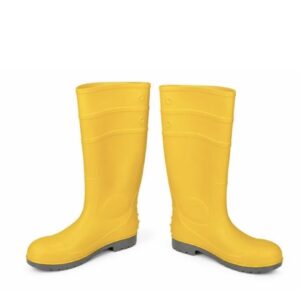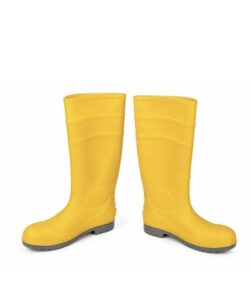
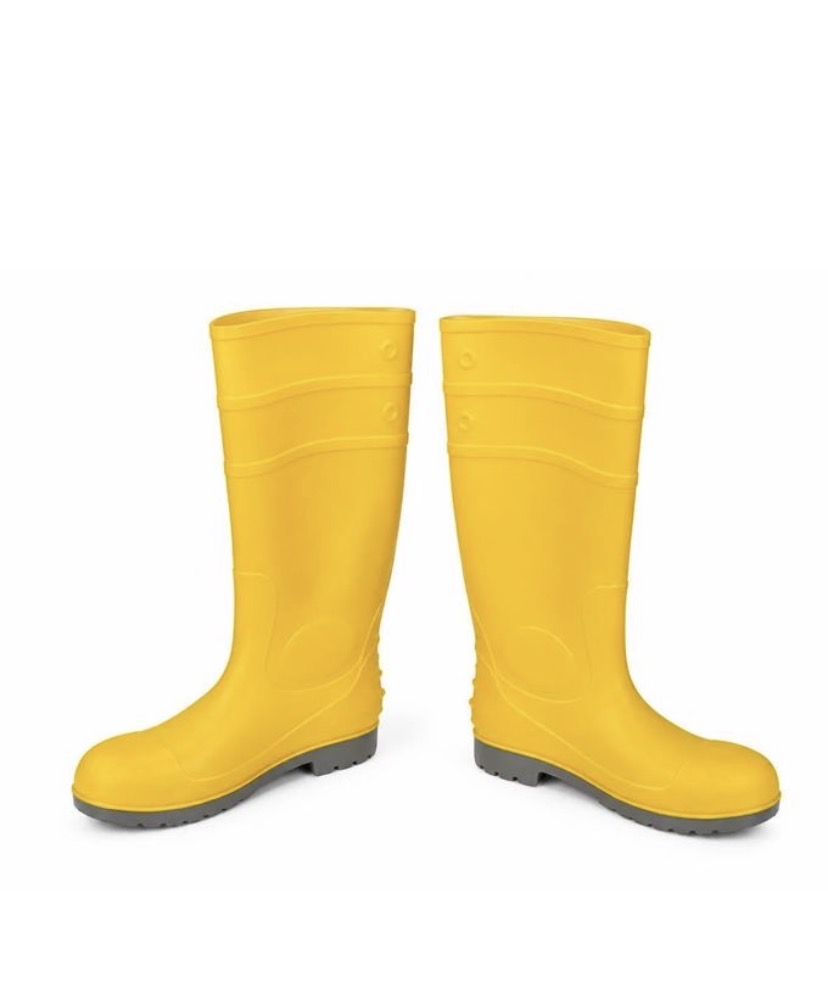

Safety boot
The Safety Boot is a durable protective footwear solution designed to help safeguard feet in agricultural, industrial, construction, and general work environments. It provides reliable protection, comfort, and support during demanding tasks and outdoor conditions.
Additional Offers
- Categories: Safety & Industrial PPE
- Availability: In Stock
- Product Type: Simple


Be the first to review “Safety boot”
Safety vest
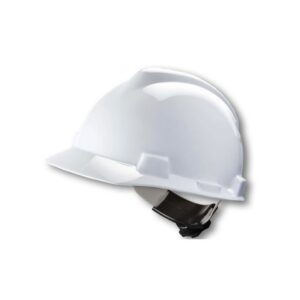
Safety helmet
Compare similar items
|
|
|
|
|
|
Find and select products to see the differences and similarities between them |
|||
| Customer Rating |
|
|
|
| Price |
₦16000.00 |
₦10000.00 |
₦7500.00 |
| Item Dimensions |
N/A
|
N/A
|
N/A
|
| Special Features |
N/A
|
The Safety Helmet is a protective headgear designed to safeguard users from falling objects, impacts, and other workplace hazards.
Safety HelmetSafety Helmet for Construction, Engineering, Industrial and Agricultural Work The Safety Helmet is an essential piece of personal protective equipment (PPE) designed to help protect workers from certain risks of head injury in construction sites, engineering projects, industrial facilities, agricultural operations and other work environments. At Irrigrow Civil & Engineering Store, we provide safety and engineering equipment designed to support safer working environments for contractors, engineers, construction workers, technicians, farmers, industrial personnel and project teams. A properly selected and correctly worn industrial safety helmet can provide protection against appropriate workplace hazards, including certain impacts and falling or flying objects, depending on the helmet's design and certification. What Is a Safety Helmet?A safety helmet, commonly called a hard hat, is protective headgear designed to reduce the risk of head injuries caused by specific workplace hazards. A typical safety helmet consists of:
The shell and suspension work together to help manage impact forces and maintain an appropriate protective space between the worker's head and external hazards. Safety Helmet for Construction WorkersConstruction sites can expose workers to a wide range of hazards. These may include:
A suitable safety helmet forms an important part of a construction worker's PPE. Workers should use helmets appropriate to the specific hazards identified during the project's risk assessment. Safety Helmet for Engineering ProjectsEngineers and technical workers may operate in environments where head protection is required. This can include:
A safety helmet can help workers comply with site PPE requirements while providing protection against applicable head hazards. Key Features of a Safety HelmetFeatures vary according to the model and manufacturer, but a quality safety helmet may include:
Always check the manufacturer's technical specifications and certification information before selecting a helmet for a specific workplace. Benefits of Wearing a Safety Helmet1. Helps Protect the HeadThe primary purpose of a safety helmet is to help reduce the risk of certain head injuries from workplace hazards. 2. Essential Construction PPESafety helmets are a standard component of PPE on many construction and engineering sites. 3. Adjustable FitMany safety helmets feature adjustable suspension systems to help users achieve a secure and comfortable fit. 4. Suitable for Different Work EnvironmentsDepending on its specifications, a safety helmet may be suitable for construction, engineering, industrial, agricultural and maintenance work. 5. Supports Workplace SafetyUsing appropriate PPE is an important part of a broader workplace health and safety programme. 6. Comfortable for Extended WorkA properly fitted helmet with a suitable suspension system can improve comfort during long working periods. Safety Helmet for Construction Sites in NigeriaConstruction activities across Nigeria involve workers operating around buildings, roads, bridges, drainage systems, excavation areas and other infrastructure projects. Head protection is particularly important where there is a risk of falling objects or other identified head hazards. Construction companies, contractors and project managers should ensure that workers receive appropriate PPE and understand how to use it correctly. Safety Helmet for Civil EngineeringCivil engineering projects often involve multiple activities taking place simultaneously. Workers may be exposed to hazards from:
A suitable safety helmet should form part of the site's overall PPE programme where head protection is required. Safety Helmet for Agricultural WorkAgricultural workers may also encounter situations where head protection is necessary. Safety helmets may be relevant for certain farm construction, machinery operation, maintenance, forestry, irrigation infrastructure and engineering activities. The appropriate PPE should be selected according to the specific hazards present on the farm or worksite. Safety Helmet for Industrial WorkersIndustrial facilities may involve machinery, equipment, overhead operations and material-handling activities. A suitable industrial safety helmet can provide an additional layer of protection against applicable workplace head hazards. Employers should conduct appropriate risk assessments to determine the type of helmet and additional PPE required. Safety Helmet for Road ConstructionRoad construction workers can work around heavy equipment, vehicles, construction materials and ongoing traffic. A safety helmet may be required as part of the project's PPE requirements. For roadside work, head protection should be combined with other appropriate PPE such as high-visibility clothing, safety footwear, gloves and eye protection where required. Safety Helmet for ContractorsContractors working on construction, engineering, agricultural and industrial projects should ensure that their teams have suitable PPE before work begins. A safety helmet is one of the basic protective items commonly required on many worksites. Contractors should also maintain PPE inspection, replacement and training procedures. How to Wear a Safety Helmet CorrectlyProper fit is important for a safety helmet to function as intended. General guidelines include:
Always follow the manufacturer's instructions for fitting and adjustment. Safety Helmet InspectionSafety helmets should be inspected regularly. Check for:
A helmet that is damaged or suspected of having experienced a significant impact should be removed from service and evaluated or replaced according to the manufacturer's instructions. When Should a Safety Helmet Be Replaced?Replacement requirements depend on the helmet's manufacturer, material, working conditions and applicable standards. A helmet should generally be replaced if:
Do not continue using a visibly damaged helmet simply because it still appears functional. Safety Helmet Standards and CertificationSafety helmets should be selected according to the hazards of the workplace and relevant safety standards. Depending on the market and product, helmets may be manufactured or tested to recognized standards such as EN 397, ANSI/ISEA Z89.1, or other applicable standards. The correct standard depends on the intended application and required level of protection. Before purchasing safety helmets for an organization or project, verify the product's certification, markings and technical documentation. Choosing the Right Safety HelmetConsider the following factors before purchasing: Workplace HazardIdentify the specific risks workers may face. Standard and CertificationCheck whether the helmet complies with the standard required for your application. FitChoose a helmet with an adjustable suspension system suitable for the intended users. MaterialCheck the manufacturer's specifications for the shell material and its suitability for the working environment. AccessoriesSome workers may require compatible accessories such as face shields, hearing protection or chin straps. VentilationVentilated helmets may improve comfort in hot environments, but ventilation may not be appropriate for every hazard. Select according to the manufacturer's specifications. DurabilityChoose a helmet designed for the intended working conditions. Safety Helmet for Hot Weather in NigeriaNigeria's warm climate makes worker comfort an important consideration. For suitable work environments, a well-designed safety helmet with appropriate ventilation and an adjustable suspension system can improve comfort. However, ventilation should never be selected at the expense of the protection required for a particular hazard. Employers should choose PPE based primarily on risk assessment and applicable standards. Safety Helmet and Other PPEA safety helmet is only one component of a complete workplace safety system. Depending on the work being performed, workers may also require:
PPE requirements should be determined through a suitable workplace risk assessment. Safety Helmet Price in NigeriaThe price of a Safety Helmet in Nigeria depends on factors such as:
For the latest safety helmet price in Nigeria, contact Irrigrow Civil & Engineering Store for current pricing and availability. Where to Buy Safety Helmets in NigeriaIf you are looking for where to buy safety helmets in Nigeria, Irrigrow Civil & Engineering Store provides safety, agricultural, construction and engineering equipment. Our products can serve:
Contact us to enquire about available safety helmets and other PPE. Safety Helmet in IbadanConstruction companies, engineers, contractors and agricultural businesses in Ibadan can contact Irrigrow Civil & Engineering Store for safety equipment and engineering supplies. Whether you need individual helmets or PPE for a project team, we can assist with your equipment requirements. Safety Helmet in LagosFor construction, engineering, industrial and agricultural projects in Lagos, suitable PPE is essential for maintaining safer working environments. Contact Irrigrow Civil & Engineering Store to enquire about safety helmets and other protective equipment. Why Buy Safety Equipment from Irrigrow?Irrigrow Civil & Engineering Store supplies equipment for construction, agriculture, irrigation and engineering applications. We understand that contractors and project teams need reliable equipment to support their daily operations. Our product categories include equipment and accessories designed to support:
Frequently Asked QuestionsWhat is a safety helmet?A safety helmet is protective headgear designed to help protect workers from specific workplace hazards such as certain impacts and falling objects. Who should wear a safety helmet?Workers who are exposed to identified head hazards should wear the appropriate type of head protection required by their workplace risk assessment and safety procedures. Is a safety helmet the same as a hard hat?The terms are often used interchangeably, although specific designs and standards can differ. Always check the manufacturer's specifications and certification. Can a safety helmet be used on a construction site?Yes, provided it is appropriate for the site's hazards and complies with the applicable safety requirements and standards. How long does a safety helmet last?Service life varies by manufacturer, material and working conditions. Follow the manufacturer's replacement recommendations and replace the helmet earlier if it becomes damaged or compromised. Can I use a damaged safety helmet?No. A damaged helmet should be removed from service and replaced or evaluated according to the manufacturer's instructions. How much does a safety helmet cost in Nigeria?Prices vary based on the helmet's specifications, brand, certification and availability. Contact Irrigrow Civil & Engineering Store for the latest price. Order Your Safety Helmet TodayProtect your workforce with appropriate Personal Protective Equipment (PPE). The Safety Helmet is an important protective item for construction, civil engineering, industrial, agricultural and maintenance environments where head protection is required. Contact Irrigrow Civil & Engineering Store today to check availability, request the latest price and discuss your PPE requirements. Irrigrow Civil & Engineering Store — Equipment for Agriculture, Construction and Engineering. |
N/A
|
| Weight |
N/A
|
N/A
|
N/A
|
| Availability |
In stock |
In stock |
In stock |