MAIZE PLANTER
Registration alert image

Register to buy Grocery's at wholesale prices for your shop

Farm Machines & Tools

MAIZE PLANTER

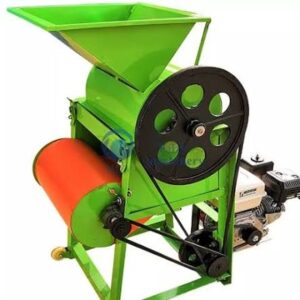
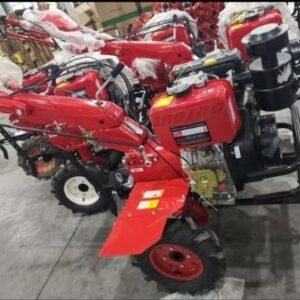
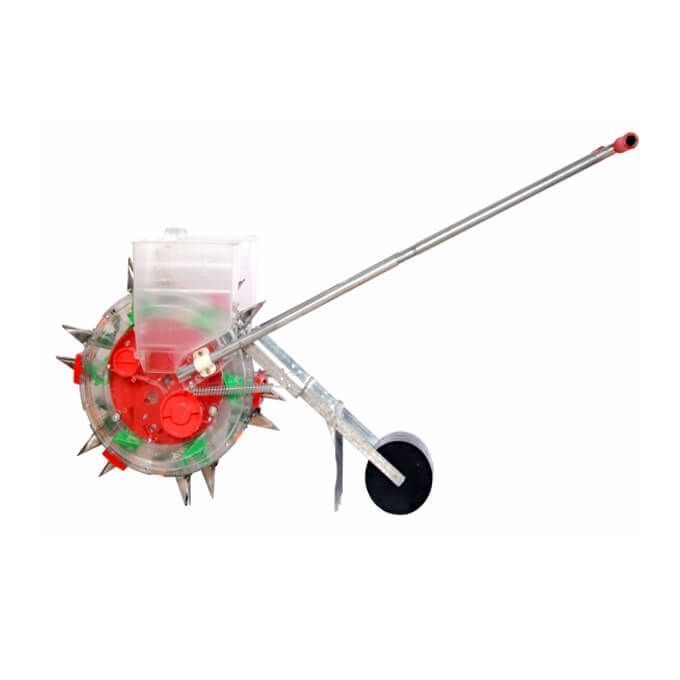
The Maize Planter is a specialized agricultural planting machine designed to improve the speed, accuracy, and efficiency of maize planting. It is used to place maize seeds into prepared soil at relatively consistent spacing and depth, helping farmers establish an organized crop stand while reducing the time, labour, and physical effort associated with manual planting. […]

₦160000.00
View cart
Click for Product Details

Additional Offers

For order over 10.90

For orders over 10

  • Expire 2027-04-24
  • The minimum spend for this coupon ₦10

For order over 9.90

For orders over 90

  • Expire 2026-08-14
  • The minimum spend for this coupon ₦90

  • Categories: Farm Machines & Tools
  • Availability: In Stock
  • Product Type: Simple

Guaranteed safe & secure checkout
The Maize Planter is a specialized agricultural planting machine designed to improve the speed, accuracy, and efficiency of maize planting. It is used to place maize seeds into prepared soil at relatively consistent spacing and depth, helping farmers establish an organized crop stand while reducing the time, labour, and physical effort associated with manual planting. At Irrigrow Civil and Engineering Ltd, we provide agricultural equipment and farm machinery designed to support modern farming practices and improve productivity. The Maize Planter is an important piece of equipment for farmers, commercial agricultural enterprises, cooperatives, mechanized farming contractors, and other agricultural businesses looking to improve their maize production operations. Maize is one of the most widely cultivated crops in Nigeria and is an important source of food, livestock feed, and industrial raw materials. However, planting large areas manually can be slow and labour-intensive. Farmers may have to spend considerable time measuring planting distances, making holes, dropping seeds, covering them, and moving from one row to another. A maize planter helps simplify these activities by performing several planting operations in a coordinated manner. Depending on the model and design, a maize planter may be manually operated, animal-drawn, or tractor-mounted. Larger agricultural operations generally use tractor-mounted planters, while smaller farms may use simpler manually operated or walk-behind versions. The appropriate machine depends on the farm size, available power source, soil condition, desired planting capacity, and farmer’s production requirements. Main Purpose of the Maize Planter The primary purpose of a maize planter is to place maize seeds into the soil in an organized and controlled manner. The machine is designed to help maintain relatively uniform spacing between seeds and rows while also placing the seeds at a suitable depth. Proper planting is important because the arrangement of maize plants can affect crop development, field management, weed control, harvesting, and overall farm productivity. When plants are excessively crowded, they may compete with one another for available resources. When they are planted too far apart, valuable field space may not be fully utilized. A maize planter therefore helps farmers achieve a more organized field layout compared with random manual broadcasting or irregular planting. How the Maize Planter Works The working principle of a maize planter is relatively straightforward. The machine carries maize seeds in a seed hopper or seed container. As the planter moves across the prepared field, a seed-metering mechanism picks or releases seeds from the hopper at controlled intervals. The seed is then directed through a seed tube or similar delivery system into the furrow created by the planting unit. Depending on the design, a covering mechanism subsequently moves soil over the deposited seed. The planter therefore combines several operations into one movement. These can include opening the planting furrow, metering the seed, depositing the seed, and covering the seed. For tractor-mounted models, the planter is attached to the tractor using the appropriate linkage system. The tractor supplies the pulling force required to move the planter across the field. Some planters may use ground-driven mechanisms, while other designs may incorporate additional mechanical systems for seed metering. The exact working mechanism differs according to the manufacturer and model, so farmers should follow the operating instructions supplied with the particular machine. Seed Metering System One of the important components of a maize planter is the seed-metering system. Its function is to control the movement of seeds from the hopper to the planting point. A good seed-metering system helps reduce unnecessary seed wastage and supports relatively consistent plant spacing. Different machines may use different metering arrangements depending on their design. Before beginning planting, the operator should ensure that the seed-metering mechanism is properly adjusted for the type and size of maize seed being used. Seeds should also be clean and suitable for mechanical planting. Incorrect seed size, damaged seeds, excessive foreign materials, or poor adjustment may affect the performance of the metering system. Planting Depth Planting depth is another important consideration when using a maize planter. The machine should be adjusted according to the soil condition and recommended agronomic practice for the maize variety being planted. If seeds are placed excessively deep, emergence may be delayed or affected. If they are placed too shallow, they may be more vulnerable to drying conditions, birds, or other field problems. The operator should therefore check the planting depth during the early stages of operation rather than assuming that the machine is automatically adjusted correctly. Row Spacing A maize planter helps establish organized planting rows. Consistent row spacing makes the field easier to manage and can support subsequent operations such as fertilizer application, weed control, spraying, and harvesting. The required row spacing depends on the production system, maize variety, soil conditions, farm management practices, and the planter being used. Some machines are designed with adjustable planting units, allowing farmers to modify the spacing to suit their production requirements. Major Components Although construction varies between models, a maize planter may consist of several major components, including: ● Seed hopper ● Seed-metering mechanism ● Seed tube ● Furrow opener ● Closing or covering mechanism ● Frame ● Drive mechanism ● Ground wheels ● Row units ● Depth-control mechanism ● Hitch or tractor attachment system ● Adjustment mechanisms Each component contributes to the overall operation of the machine. The frame provides structural support, while the hopper stores the planting seed. The furrow opener creates the opening into which the seed is deposited. The metering mechanism regulates seed delivery, while the closing mechanism helps cover the seed with soil. Benefits of Using a Maize Planter 1. Faster Planting One of the major advantages of a maize planter is increased planting speed. Instead of individual workers manually creating planting holes and dropping seeds, the machine can perform the operation continuously as it moves across the field. This is particularly useful for farmers cultivating large areas. 2. Reduced Labour Requirement Manual planting can require significant human labour, especially when large areas must be planted within a limited planting window. A maize planter reduces the amount of physical labour required for the planting operation. This allows available farm workers to concentrate on other activities such as land preparation, fertilizer application, crop protection, and field maintenance. 3. Better Planting Uniformity The machine helps establish more organized seed placement. Relatively uniform spacing can result in a more orderly crop stand and make subsequent farm operations easier. 4. Improved Farm Efficiency By combining several planting activities into one operation, the maize planter can improve the efficiency of the overall production process. 5. Reduced Seed Wastage Proper seed metering can help control the quantity of seed released during planting. This can reduce unnecessary dropping of multiple seeds at one location, although actual performance depends on machine adjustment and seed quality. 6. Easier Field Management Uniform rows make it easier to carry out activities such as fertilizer application, spraying, mechanical weeding, and harvesting. 7. Suitable for Commercial Farming For commercial farmers and mechanized farming contractors, a maize planter can help increase operational capacity and allow more hectares to be planted within a shorter period. Applications The Maize Planter can be used in various agricultural settings, including: ● Commercial maize farms ● Small and medium-scale farms ● Large-scale mechanized farms ● Agricultural cooperatives ● Government agricultural projects ● Research and demonstration farms ● Farm service businesses ● Agricultural training institutions ● Mechanized farming contractors ● Seed production farms It can also be useful to farmers who provide planting services to other farmers within their communities. Preparing the Field Before Planting The performance of a maize planter depends partly on field preparation. The land should generally be cleared and prepared appropriately before planting. Excessive crop residue, large stones, tree roots, or severe soil obstructions may interfere with machine operation. Depending on the production system, the soil may need to be ploughed, harrowed, ridged, or otherwise prepared before the planter enters the field. Farmers should ensure that the soil condition is suitable for the particular planter being used. Preparing the Machine Before starting work, the operator should inspect the planter carefully. The seed hopper should be clean and free from materials that could obstruct seed movement. The seed-metering mechanism should be checked, and the planting depth and spacing should be adjusted appropriately. Wheels, chains, bearings, linkages, bolts, and other moving components should also be inspected. Where the planter is tractor-mounted, the connection between the tractor and planter should be properly secured before operation. Operating the Maize Planter During operation, the tractor or operator should maintain a suitable and reasonably consistent speed. Excessive speed may affect seed placement and metering performance, depending on the planter design. The operator should monitor the machine periodically to ensure that seeds are being released correctly and that the planting units are maintaining the desired depth. It is also advisable to stop and inspect the field after beginning the operation. This allows the operator to confirm that the seeds are being placed correctly before continuing across the entire field. Maintenance Regular maintenance is important for keeping the maize planter in good working condition. After use, soil, plant residues, and other materials should be removed from the machine. Seed hoppers should be emptied and cleaned, particularly when changing seed varieties. Moving parts should be inspected for wear. Chains, bearings, joints, bolts, and other components should be checked periodically. Where lubrication is recommended by the manufacturer, the appropriate lubricant should be applied according to the manufacturer’s instructions. Damaged or worn components should be replaced before they cause more serious operational problems. Proper storage is also important. The machine should preferably be kept in a clean, dry and protected location when it is not in use. Safety Precautions Operators should read and understand the manufacturer’s operating instructions before using the maize planter. The machine should not be inspected, adjusted, or cleared of blockages while moving or while connected to an operating power source. The tractor or other power source should be safely stopped before maintenance or adjustment. Operators should also keep loose clothing, hands, feet, and other body parts away from moving components. Only trained and responsible operators should operate tractor-mounted or powered agricultural machinery. Why Choose Irrigrow Civil and Engineering Ltd? Irrigrow Civil and Engineering Ltd is committed to providing agricultural equipment and engineering solutions that support efficient and productive farming operations. The Maize Planter is a practical solution for farmers seeking to reduce manual planting labour, improve field organization, and increase the efficiency of maize production. By adopting suitable mechanized planting equipment, farmers can make better use of available labour and complete planting operations more effectively during the planting season. Whether required for a commercial farm, cooperative, agricultural project, farm service operation, or individual farming enterprise, the appropriate maize planter can provide valuable support for modern agricultural production. Conclusion The Maize Planter is an important agricultural machine for improving the efficiency and organization of maize planting. By helping to place seeds at controlled intervals and suitable depths, it reduces the dependence on slow manual planting and supports more systematic crop establishment. For farmers seeking to expand their maize production or improve their mechanization level, investing in an appropriate maize planter can be a valuable step toward more efficient farm operations. Irrigrow Civil and Engineering Ltd provides agricultural machinery and engineering solutions designed to meet the changing needs of modern farmers and agricultural businesses. The Maize Planter is one of the practical equipment options available for improving planting efficiency, reducing labour requirements, and supporting productive maize farming.
0

Reviews

5
0
4
0
3
0
2
0
1
0
Be the first to review “MAIZE PLANTER”

Leave a Reply

Compare similar items

Find and select products to see the differences and similarities between them

Customer Rating

(0)

(0)

(0)

(0)

Price
₦160000.00
₦19500.00
₦0.00
₦800000.00
Item Dimensions
N/A
N/A
N/A
N/A
Special Features
N/A

Bush Cutter Blade

Bush Cutter Blade for Grass Cutting, Weed Clearing and Agricultural Maintenance

The Bush Cutter Blade is a durable cutting accessory designed for use with compatible brush cutters and grass-cutting machines. It is suitable for clearing grass, weeds, light vegetation, overgrown areas and other unwanted plant growth in farms, gardens, construction sites, properties and outdoor spaces.

For farmers, landscapers, groundskeepers and property maintenance professionals, having a reliable cutting blade is essential for maintaining vegetation efficiently.

At Irrigrow Civil & Engineering Store, we provide agricultural and engineering equipment designed to support efficient farm operations, vegetation management, landscaping and general outdoor maintenance.

Whether you are maintaining a farm, clearing an overgrown property or managing vegetation around an agricultural project, the right brush cutter blade can help your equipment perform effectively.

What Is a Bush Cutter Blade?

A bush cutter blade is a rotating metal cutting attachment designed for use with compatible brush cutters and clearing machines.

Unlike nylon trimmer lines, which are generally suited to grass and light vegetation, metal bush cutter blades can be used for tougher vegetation within the limits specified by the equipment manufacturer.

Depending on the blade design, bush cutter blades may have multiple cutting teeth or edges designed for different vegetation-clearing applications.

Bush Cutter Blade for Agriculture

Farmers frequently need to clear vegetation around cultivated areas, farm boundaries, irrigation installations, pathways and other agricultural spaces.

A suitable bush cutter blade can help with:

  • Grass cutting
  • Weed clearing
  • Farm maintenance
  • Clearing overgrown areas
  • Vegetation management
  • Maintaining pathways
  • Clearing around farm structures
  • Managing vegetation around irrigation areas
  • Maintaining orchards and plantations

The correct blade should always be matched to the brush cutter model and the type of vegetation being cut.

Key Features of a Bush Cutter Blade

Depending on the specific model, a bush cutter blade may feature:

  • Durable metal construction
  • Sharp cutting edges
  • Multiple cutting teeth
  • Circular blade design
  • Central mounting hole
  • High-strength construction
  • Compatibility with selected brush cutters
  • Suitable design for grass and vegetation clearing
  • Replaceable cutting accessory
  • Easy installation on compatible equipment

Specifications such as diameter, thickness, number of teeth and mounting-hole size vary between blades.

Always confirm compatibility before purchasing.

Benefits of Using a Bush Cutter Blade

1. Efficient Vegetation Clearing

A suitable metal blade can make it easier to clear tough grass and vegetation compared with using a lightweight trimming line.

2. Suitable for Agricultural Applications

Bush cutter blades are useful for maintaining farms, plantations, orchards and agricultural properties.

3. Durable Cutting Accessory

Quality blades are designed to withstand repeated use when operated within their intended application.

4. Useful for Overgrown Areas

A bush cutter fitted with the appropriate blade can help clear areas where grass and weeds have become difficult to manage.

5. Cost-Effective Replacement

When a cutting blade becomes worn or damaged, replacing the blade can restore the cutting performance of a compatible bush cutter.

6. Versatile Outdoor Application

Bush cutter blades can be useful for farmers, landscapers, groundskeepers and property maintenance workers.

Bush Cutter Blade for Grass Cutting

Grass is one of the most common vegetation types managed with brush cutters.

For areas with dense or mature grass, a suitable metal blade can provide an effective cutting solution.

It can be used for maintaining:

  • Farm fields
  • Compounds
  • Gardens
  • Roadsides
  • Property boundaries
  • Orchards
  • Industrial premises
  • Construction sites
  • Agricultural facilities

The blade must be appropriate for the brush cutter and the grass-cutting application.

Bush Cutter Blade for Weed Clearing

Weeds can compete with crops for water, nutrients, sunlight and growing space.

Regular vegetation management is therefore important for many agricultural operations.

A brush cutter equipped with an appropriate blade can help clear unwanted vegetation around areas where manual clearing would be time-consuming.

However, care should be taken around crops, irrigation pipes, trees, fencing and other infrastructure.

Bush Cutter Blade for Farms

For farmers, vegetation management is an ongoing part of farm maintenance.

A bush cutter blade can be used for clearing vegetation around:

  • Farm boundaries
  • Access roads
  • Irrigation channels
  • Pump areas
  • Water tanks
  • Greenhouses
  • Storage buildings
  • Livestock areas
  • Orchards
  • Plantations

Using the correct cutting accessory can improve the effectiveness of the brush cutter and make routine maintenance easier.

Types of Bush Cutter Blades

Different vegetation-clearing applications may require different blade designs.

Common types include:

2-Tooth Bush Cutter Blade

A two-tooth blade can be suitable for certain grass and light vegetation applications, depending on the manufacturer's specifications.

3-Tooth Bush Cutter Blade

Three-tooth blades are commonly used for grass and general vegetation management.

4-Tooth Bush Cutter Blade

Four-tooth configurations can provide additional cutting edges for certain applications.

Multi-Tooth Brush Cutter Blade

Blades with a larger number of teeth may be designed for denser vegetation and specific clearing applications.

The appropriate blade depends on the brush cutter's specifications and the manufacturer's recommendations.

How to Choose the Right Bush Cutter Blade

Before purchasing a replacement blade, consider the following factors.

1. Blade Diameter

Check the recommended blade diameter for your brush cutter.

2. Mounting Hole

The centre hole must match the machine's mounting system.

3. Blade Thickness

Blade thickness can affect durability, cutting characteristics and compatibility.

4. Number of Teeth

Select a blade configuration appropriate for the intended vegetation.

5. Brush Cutter Compatibility

Always check the machine manufacturer's recommendations.

6. Intended Application

Consider whether you need the blade for grass, weeds, dense vegetation or another approved application.

7. Blade Quality

Choose a blade manufactured from suitable materials and designed for rotating cutting equipment.

Bush Cutter Blade Installation

A bush cutter blade should be installed according to the equipment manufacturer's instructions.

General steps may include:

  1. Switch off the machine.
  2. Disconnect the power source where applicable.
  3. Ensure the engine or motor cannot start accidentally.
  4. Remove the existing cutting attachment.
  5. Inspect the mounting components.
  6. Position the correct blade.
  7. Install the appropriate retaining components.
  8. Tighten according to the manufacturer's specifications.
  9. Check that the blade rotates correctly and is properly secured.
  10. Install the required safety guard before operation.

If you are unsure about installation, have the blade installed by a qualified technician.

Bush Cutter Blade Safety

Rotating metal blades can cause serious injury if improperly installed or operated.

Always:

  • Use the correct blade for the machine.
  • Inspect the blade before use.
  • Never use a cracked or severely damaged blade.
  • Ensure the blade is securely mounted.
  • Use the manufacturer's recommended guard.
  • Wear appropriate protective equipment.
  • Keep people and animals away from the work area.
  • Avoid cutting materials the blade is not designed to handle.
  • Follow the brush cutter manufacturer's operating instructions.
  • Stop the machine before inspecting or clearing debris.

Do not modify the blade or machine in a way that compromises its safety.

Bush Cutter Blade Maintenance

Proper maintenance helps extend blade life and maintain cutting performance.

After use:

  • Clean vegetation and dirt from the blade.
  • Inspect the cutting edges.
  • Check for cracks or deformation.
  • Inspect the mounting hole.
  • Check the retaining components.
  • Sharpen only according to the manufacturer's instructions.
  • Replace severely worn or damaged blades.
  • Store the blade safely when not in use.

A blade that has become excessively worn, cracked, bent or damaged should not be used.

Bush Cutter Blade for Landscaping

Landscaping companies and grounds maintenance professionals can use compatible bush cutter blades for maintaining large outdoor areas.

They can be useful for clearing vegetation around:

  • Estates
  • Hotels
  • Schools
  • Commercial properties
  • Industrial facilities
  • Parks
  • Roadsides
  • Construction sites

For professional landscaping operations, keeping replacement blades available can help reduce equipment downtime.

Bush Cutter Blade for Construction Sites

Construction sites can quickly become overgrown when vegetation is not regularly managed.

A brush cutter fitted with a suitable blade can assist with clearing grass and weeds around construction areas, access paths, site boundaries and unused sections of a project.

Operators should always consider underground utilities, debris, stones and other hazards before cutting.

Bush Cutter Blade Price in Nigeria

The price of a Bush Cutter Blade in Nigeria depends on factors such as:

  • Blade diameter
  • Blade thickness
  • Number of teeth
  • Material
  • Manufacturer
  • Quality
  • Brush cutter compatibility
  • Current market availability

For the latest bush cutter blade price in Nigeria, contact Irrigrow Civil & Engineering Store for current pricing and availability.

Where to Buy Bush Cutter Blades in Nigeria

If you are searching for where to buy bush cutter blades in Nigeria, Irrigrow Civil & Engineering Store provides agricultural and engineering equipment for farmers, contractors, landscapers, businesses and institutions.

We can help customers identify suitable cutting accessories based on their equipment and application.

Bush Cutter Blade in Ibadan

Farmers, landscapers, property owners and agricultural businesses in Ibadan can source suitable farm and vegetation-management equipment from Irrigrow Civil & Engineering Store.

Whether you need a replacement blade or other agricultural equipment, contact us to discuss your requirements.

Bush Cutter Blade in Lagos

For farms, estates, landscaping companies and property maintenance operations in Lagos, having reliable vegetation-clearing equipment can simplify routine outdoor maintenance.

Contact Irrigrow Civil & Engineering Store to enquire about available bush cutter blades and compatible agricultural equipment.

Why Buy from Irrigrow Civil & Engineering Store?

Irrigrow Civil & Engineering Store provides equipment for agriculture, irrigation, construction and engineering applications.

Our products are intended to support farmers, contractors, engineers, agricultural businesses, institutions and property maintenance professionals.

We understand that equipment compatibility is important, so customers should confirm their machine specifications before purchasing replacement accessories.

Frequently Asked Questions

What is a bush cutter blade used for?

A bush cutter blade is used with compatible brush cutters to cut grass, weeds and other vegetation within the blade and machine manufacturer's intended applications.

Can a bush cutter blade cut thick grass?

A suitable blade can be used for dense grass where permitted by the brush cutter manufacturer. The correct blade and machine configuration should always be used.

Are bush cutter blades universal?

No. Bush cutter blades are not necessarily universal. Diameter, mounting-hole size, thickness and machine compatibility must be checked before purchase.

How do I know which bush cutter blade I need?

Check your brush cutter's manufacturer specifications for the recommended blade diameter, mounting configuration, thickness and permitted blade types.

How often should a bush cutter blade be replaced?

Replacement depends on frequency of use, vegetation type, operating conditions and blade condition. Replace a blade when it becomes damaged, cracked, excessively worn or otherwise unsafe.

Can a bush cutter blade be sharpened?

Some blades can be sharpened according to the manufacturer's instructions. However, severely damaged or deformed blades should be replaced rather than repaired.

How much does a bush cutter blade cost in Nigeria?

The price varies according to blade type, size, material, manufacturer and market availability. Contact Irrigrow Civil & Engineering Store for the current price.

Order Your Bush Cutter Blade Today

Keep your vegetation-clearing equipment ready for work with a suitable Bush Cutter Blade from Irrigrow Civil & Engineering Store.

Whether you are a farmer, landscaper, contractor, groundskeeper or property owner, we can help you find suitable agricultural and engineering equipment for your requirements.

Contact Irrigrow Civil & Engineering Store today to check availability, confirm compatibility and get the latest price.

Irrigrow Civil & Engineering Store — Equipment for Agriculture, Construction and Engineering.

Brand New Excavator for Sale in Nigeria

Looking for a reliable and powerful brand-new excavator for sale in Nigeria? Irrigrow Civil & Engineering Ltd supplies high-quality excavatorsBrand New Excavator for Sale in Nigeria

Looking for a reliable and powerful brand-new excavator for sale in Nigeria? Irrigrow Civil & Engineering Ltd supplies high-quality excavators suitable for construction, civil engineering, mining, agriculture, road construction, land development, and other heavy-duty projects. Our excavators are designed to deliver powerful digging performance, efficiency, durability, and reliable operation in demanding working environments. They are suitable for contractors, construction companies, engineering firms, government projects, mining operations, estate developers, and agricultural businesses. Applications of Our Excavators Our brand-new excavators can be used for: Excavation and earthmoving Building and construction projects Road construction Drainage and canal construction Land clearing and site preparation Foundation excavation Trenching Mining operations Demolition work Loading and material handling Agricultural and land development projects Why Buy Your Excavator from Irrigrow? Brand-new and high-quality equipment Powerful and reliable performance Suitable for heavy-duty projects Durable hydraulic systems Efficient digging and earthmoving capability Suitable for Nigerian construction conditions Available for different project requirements Professional engineering and equipment support A reliable excavator is an essential investment for construction and infrastructure projects, helping to improve productivity, reduce manual labour, and complete excavation and earthmoving tasks faster and more efficiently. Contact Irrigrow Civil & Engineering Ltd today to request the current price, specifications, available models, operating weight, bucket capacity, and delivery information for our brand-new excavators. suitable for construction, civil engineering, mining, agriculture, road construction, land development, and other heavy-duty projects.

Our excavators are designed to deliver powerful digging performance, efficiency, durability, and reliable operation in demanding working environments. They are suitable for contractors, construction companies, engineering firms, government projects, mining operations, estate developers, and agricultural businesses.

Applications of Our Excavators

Our brand-new excavators can be used for:

  • Excavation and earthmoving
  • Building and construction projects
  • Road construction
  • Drainage and canal construction
  • Land clearing and site preparation
  • Foundation excavation
  • Trenching
  • Mining operations
  • Demolition work
  • Loading and material handling
  • Agricultural and land development projects

Why Buy Your Excavator from Irrigrow?

  • Brand-new and high-quality equipment
  • Powerful and reliable performance
  • Suitable for heavy-duty projects
  • Durable hydraulic systems
  • Efficient digging and earthmoving capability
  • Suitable for Nigerian construction conditions
  • Available for different project requirements
  • Professional engineering and equipment support

A reliable excavator is an essential investment for construction and infrastructure projects, helping to improve productivity, reduce manual labour, and complete excavation and earthmoving tasks faster and more efficiently.

Contact Irrigrow Civil & Engineering Ltd today to request the current price, specifications, available models, operating weight, bucket capacity, and delivery information for our brand-new excavators.

N/A
Weight
N/A
N/A
N/A
N/A
Availability

In stock

In stock

In stock

In stock