

Civil Engineering Equipment

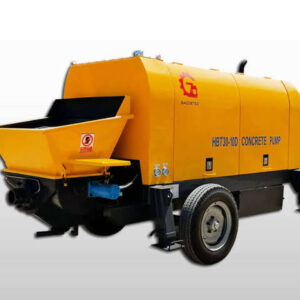
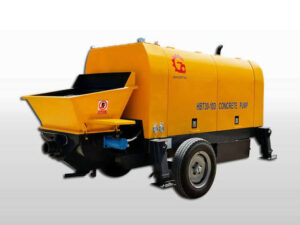
Diesel concrete pump
The Diesel Concrete Pump is suitable for placement in building foundations, columns, beams, slabs, retaining walls, drainage channels, culverts, bridges, industrial floors, and other structures where the equipment’s pumping capacity is appropriate. It can also support construction contractors working on projects where concrete must be delivered through pipelines to restricted or elevated locations.
₦0.00
Additional Offers
- Categories: Civil Engineering Equipment
- Availability: In Stock
- Product Type: Simple

Diesel Concrete Pump for Sale in Nigeria | Irrigrow Civil and Engineering Ltd
Diesel Concrete Pump for Efficient Concrete Placement
The Diesel Concrete Pump is a powerful construction machine designed to transport and deliver freshly mixed concrete from the mixing point to the required placement area through a pipeline or delivery hose. Powered by a diesel engine, it is suitable for construction sites where reliable concrete pumping is required, particularly in remote locations or areas without a stable electricity supply. Diesel concrete pumps are widely used in residential and commercial building construction, road construction, bridges, foundations, drainage systems, industrial facilities, and other civil engineering projects. They help contractors improve concrete placement efficiency, reduce manual labour, and manage concrete delivery more effectively.Applications of a Diesel Concrete Pump
A diesel-powered concrete pump is suitable for a wide range of construction and infrastructure applications, depending on its pumping capacity and technical specifications. Common applications include:- Building foundations and structural concrete works
- Concrete columns, beams, and slabs
- Road construction and infrastructure development
- Bridge construction and culvert installation
- Drainage channels and concrete structures
- Retaining walls and industrial flooring
- Residential and commercial building projects
- Elevated or restricted construction areas accessible through suitable pipelines
Key Features of a Diesel Concrete Pump
A diesel concrete pump typically incorporates several components that work together to facilitate efficient concrete delivery. Depending on the manufacturer and model, these may include: Diesel Engine: Provides the power required to operate the pumping system, making the machine suitable for sites where direct electrical power is unavailable. Concrete Hopper: Receives freshly mixed concrete before it enters the pumping mechanism. Concrete Pumping Mechanism: Uses a suitable pumping system, commonly a piston-based mechanism, to move concrete through the delivery line. Hydraulic System: Controls and powers the pumping mechanism in hydraulically operated models. Delivery Pipeline or Hose: Directs concrete from the machine to the required placement point. Control System: Allows the operator to manage pumping operations according to the machine's design. The arrangement and specifications of these components vary between models. Buyers should confirm the equipment configuration and technical capabilities before making a purchase.Benefits of Using a Diesel Concrete Pump
1. Independent Diesel Power Supply
The diesel engine allows the equipment to operate without relying on a direct electrical connection, making it useful for remote construction sites and infrastructure projects.2. Reduced Manual Labour
Concrete pumping reduces the need to transport concrete manually using wheelbarrows and similar equipment, helping construction teams streamline their workflow.3. Efficient Concrete Delivery
The pumping system transports concrete through suitable pipelines and hoses, helping deliver the material to designated placement areas.4. Support for Large Construction Projects
Depending on its capacity, the machine can support building construction, roadworks, drainage projects, foundations, and other civil engineering operations.5. Improved Site Organisation
Concrete pumping can help coordinate concrete placement and reduce unnecessary material handling when the equipment is properly selected and operated.6. Access to Difficult Placement Areas
With an appropriate pipeline arrangement and sufficient pumping pressure, concrete can be delivered to restricted or elevated locations within the machine's operating limits.Types and Specifications of Diesel Concrete Pumps
Diesel concrete pumps are available in different configurations, including trailer-mounted pumps and specialised pumping units. Their capabilities vary according to the manufacturer, model, and intended application. Important specifications to consider when selecting a diesel concrete pump include:- Concrete delivery capacity and pumping rate
- Diesel engine power
- Maximum pumping pressure
- Suitable concrete mix and maximum aggregate size
- Horizontal and vertical pumping distance
- Pipeline diameter and configuration
- Overall machine dimensions and mobility
- Maintenance requirements and availability of spare parts
Maintenance and Safe Operation
Regular maintenance is essential to keep a diesel concrete pump operating reliably. The diesel engine, hydraulic system, pumping cylinders, hopper, delivery lines, seals, and other moving components should be inspected and serviced accordingDiesel Concrete Pump for Sale in Nigeria | Irrigrow Civil and Engineering Ltd
Diesel Concrete Pump for Efficient Concrete Placement
The Diesel Concrete Pump is a powerful construction machine designed to transport and deliver freshly mixed concrete from the mixing point to the required placement area through a pipeline or delivery hose. Powered by a diesel engine, it is suitable for construction sites where reliable concrete pumping is required, particularly in remote locations or areas without a stable electricity supply. Diesel concrete pumps are widely used in residential and commercial building construction, road construction, bridges, foundations, drainage systems, industrial facilities, and other civil engineering projects. They help contractors improve concrete placement efficiency, reduce manual labour, and manage concrete delivery more effectively.Applications of a Diesel Concrete Pump
A diesel-powered concrete pump is suitable for a wide range of construction and infrastructure applications, depending on its pumping capacity and technical specifications. Common applications include:- Building foundations and structural concrete works
- Concrete columns, beams, and slabs
- Road construction and infrastructure development
- Bridge construction and culvert installation
- Drainage channels and concrete structures
- Retaining walls and industrial flooring
- Residential and commercial building projects
- Elevated or restricted construction areas accessible through suitable pipelines
Key Features of a Diesel Concrete Pump
A diesel concrete pump typically incorporates several components that work together to facilitate efficient concrete delivery. Depending on the manufacturer and model, these may include: Diesel Engine: Provides the power required to operate the pumping system, making the machine suitable for sites where direct electrical power is unavailable. Concrete Hopper: Receives freshly mixed concrete before it enters the pumping mechanism. Concrete Pumping Mechanism: Uses a suitable pumping system, commonly a piston-based mechanism, to move concrete through the delivery line. Hydraulic System: Controls and powers the pumping mechanism in hydraulically operated models. Delivery Pipeline or Hose: Directs concrete from the machine to the required placement point. Control System: Allows the operator to manage pumping operations according to the machine's design. The arrangement and specifications of these components vary between models. Buyers should confirm the equipment configuration and technical capabilities before making a purchase.Benefits of Using a Diesel Concrete Pump
1. Independent Diesel Power Supply
The diesel engine allows the equipment to operate without relying on a direct electrical connection, making it useful for remote construction sites and infrastructure projects.2. Reduced Manual Labour
Concrete pumping reduces the need to transport concrete manually using wheelbarrows and similar equipment, helping construction teams streamline their workflow.3. Efficient Concrete Delivery
The pumping system transports concrete through suitable pipelines and hoses, helping deliver the material to designated placement areas.4. Support for Large Construction Projects
Depending on its capacity, the machine can support building construction, roadworks, drainage projects, foundations, and other civil engineering operations.5. Improved Site Organisation
Concrete pumping can help coordinate concrete placement and reduce unnecessary material handling when the equipment is properly selected and operated.6. Access to Difficult Placement Areas
With an appropriate pipeline arrangement and sufficient pumping pressure, concrete can be delivered to restricted or elevated locations within the machine's operating limits.Types and Specifications of Diesel Concrete Pumps
Diesel concrete pumps are available in different configurations, including trailer-mounted pumps and specialised pumping units. Their capabilities vary according to the manufacturer, model, and intended application. Important specifications to consider when selecting a diesel concrete pump include:- Concrete delivery capacity and pumping rate
- Diesel engine power
- Maximum pumping pressure
- Suitable concrete mix and maximum aggregate size
- Horizontal and vertical pumping distance
- Pipeline diameter and configuration
- Overall machine dimensions and mobility
- Maintenance requirements and availability of spare parts
Maintenance and Safe Operation
Regular maintenance is essential to keep a diesel concrete pump operating reliably. The diesel engine, hydraulic system, pumping cylinders, hopper, delivery lines, seals, and other moving components should be inspected and serviced according
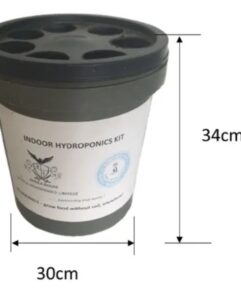
Dutch bucket system
₦120000.00

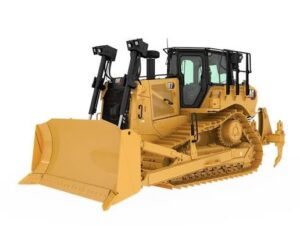
Cat D7 bulldozer
₦0.00


Cat D7 bulldozer
₦0.00


Compare similar items
|
|
|
|
|
|
|
Find and select products to see the differences and similarities between them |
||||
| Customer Rating |
|
|
|
|
| Price |
₦0.00 |
₦0.00 |
₦0.00 |
₦0.00 |
| Item Dimensions |
N/A
|
N/A
|
N/A
|
N/A
|
| Special Features |
The Diesel Concrete Pump is suitable for placement in building foundations, columns, beams, slabs, retaining walls, drainage channels, culverts, bridges, industrial floors, and other structures where the equipment’s pumping capacity is appropriate. It can also support construction contractors working on projects where concrete must be delivered through pipelines to restricted or elevated locations.
|
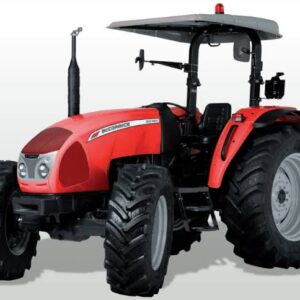
The machine is also widely used in construction projects. Construction sites frequently handle cement, blocks, steel products, timber, tiles, pipes, equipment, and other building materials. A suitable forklift can transport palletised supplies from delivery areas to designated storage points and help position materials closer to where they are needed. On appropriate surfaces, it can reduce the need for repeated manual handling and improve the movement of supplies around the site. The machine must be selected according to the load weight, ground conditions, available space, and site layout. Rough-terrain forklifts may be more appropriate than standard warehouse models for uneven outdoor construction environments.
|
N/A
|
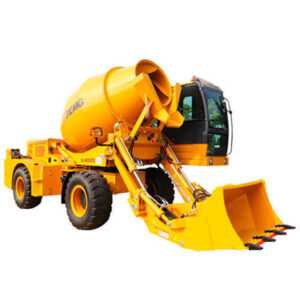
The Self-Loading Concrete Mixer typically consists of a loading bucket, mixing drum, water supply system, operator cabin, engine, hydraulic system, chassis, wheels, and concrete discharge mechanism. The specific configuration, capacity, and features vary according to the manufacturer and model.
The loading bucket helps collect and transfer construction materials into the mixing drum. The drum mixes the materials to produce concrete, while the water system allows controlled water addition according to the required concrete mix design. The hydraulic system supports the operation of the loading bucket and other hydraulic functions, depending on the machine’s configuration.
This machine is suitable for residential and commercial building construction, road projects, drainage works, foundations, concrete flooring, farm infrastructure, industrial developments, and general civil engineering applications. It can be particularly valuable for contractors handling projects that require concrete at multiple locations throughout the working day.
One of the major advantages of a Self-Loading Concrete Mixer is its ability to combine material loading and mixing in a single machine. This can help reduce the time spent moving materials between separate pieces of equipment and improve the overall organization of concrete production. Its mobility also allows operators to move the machine around suitable construction sites as work progresses.
|
| Weight |
N/A
|
N/A
|
N/A
|
N/A
|
| Availability |
In stock |
In stock |
In stock |
In stock |




Share options